✓ Volunteering significantly boosts mental and physical health.
✓ It enhances career prospects through skill development and networking.
✓ Even a few hours of volunteering can create substantial community impact.
✓ Volunteers report higher levels of life satisfaction and purpose.
How It Works
1
Identify Your Passions
Reflect on causes that resonate with you, whether it's animal welfare, environmental protection, or social justice. Your passion will fuel your commitment.
2
Research Opportunities
Explore local nonprofits, community centers, and online platforms like VolunteerMatch or Idealist. Look for roles that align with your skills and availability.
3
Connect and Commit
Reach out to organizations, attend orientations, and commit to a schedule that works for you. Even a small, consistent contribution makes a difference.
4
Embrace the Experience
Engage fully, learn new skills, meet diverse people, and allow yourself to be transformed by the experience. Document your journey and impact.
Personal Growth and Well-being Through Giving Back
Photo: RDNE Stock project / Pexels
Volunteering for charity is often seen as an act of selfless giving, yet its impact on the volunteer's personal growth and well-being is profound and multifaceted. Far from being a one-sided transaction, engaging in charitable work offers a rich tapestry of psychological and emotional rewards that can significantly enhance an individual's quality of life. At its core, volunteering provides a powerful sense of purpose. In a world that can often feel overwhelming or disconnected, contributing to a cause larger than oneself offers clarity and meaning. This sense of purpose is a fundamental human need, and fulfilling it through service can lead to increased life satisfaction and a stronger sense of identity. When you dedicate your time and effort to a cause you believe in, you're not just helping others; you're reaffirming your own values and place in the world.
Moreover, the act of volunteering has a remarkable effect on mental health. Numerous studies have shown that individuals who volunteer regularly report lower rates of depression and anxiety. The reasons for this are several: volunteering often involves social interaction, which combats loneliness and fosters a sense of belonging. It provides a healthy distraction from personal worries, allowing individuals to focus their energy on positive action. The feeling of accomplishment derived from making a tangible difference, no matter how small, boosts self-esteem and confidence. For example, helping to organize a food drive or spending time with elderly residents can create immediate, visible impacts that reinforce one's capabilities and worth. This positive feedback loop is crucial for maintaining good mental health.
Beyond mental well-being, volunteering can also contribute to physical health. Many volunteer roles involve some level of physical activity, whether it's planting trees, walking dogs at an animal shelter, or helping with construction projects. This natural integration of exercise into one's routine can lead to improved fitness levels. Furthermore, the reduction in stress and anxiety associated with volunteering has direct physiological benefits, including lower blood pressure and a stronger immune system. It's a holistic approach to health, where mental and physical well-being are intrinsically linked. The sense of community and support found within volunteer groups also plays a vital role. Forming connections with like-minded individuals can lead to lasting friendships and a robust support network, further enhancing overall well-being. These social ties are incredibly valuable, providing a buffer against life's challenges and enriching daily experiences. The nonprofit sector thrives on this collective spirit, creating environments where individuals can not only contribute but also flourish personally. It's a powerful reminder that giving is often the best way to receive, especially when it comes to personal fulfillment and happiness.
Skill Development and Career Advancement through Service
Photo: Gustavo Fring / Pexels
One of the often-underestimated benefits of volunteering for charity is its profound impact on skill development and, consequently, career advancement. While many view volunteering solely as a way to give back, it serves as an exceptional proving ground for acquiring new skills, honing existing ones, and building a robust professional network. In today's competitive job market, practical experience and a diverse skill set are invaluable, and volunteering offers both in abundance, often in ways that traditional employment might not. Consider the array of tasks involved in running a charity: project management, event planning, marketing, fundraising, public speaking, data entry, social media management, and even financial oversight. By taking on these roles, volunteers gain hands-on experience that directly translates to marketable skills. For instance, organizing a charity fundraiser requires budgeting, negotiation with vendors, volunteer coordination, and promotional activities – all highly sought-after professional competencies.
Furthermore, volunteering often exposes individuals to different work environments and challenges, fostering adaptability and problem-solving skills. You might find yourself managing unexpected logistical issues, communicating with diverse stakeholders, or developing creative solutions with limited resources. These experiences build resilience and demonstrate an ability to perform under varied circumstances, qualities highly valued by employers. It's not just about the specific tasks, but also about the soft skills that are invariably developed: teamwork, communication, leadership, time management, and empathy. These interpersonal skills are crucial for success in any career path and are often difficult to teach in a classroom setting. Volunteering provides a real-world laboratory where these skills can be practiced and refined in a supportive, mission-driven environment.
The networking opportunities presented by volunteering are also immense. You'll work alongside fellow volunteers from various professional backgrounds, meet community leaders, interact with board members of the organization, and connect with beneficiaries and donors. These connections can lead to mentorship opportunities, job referrals, and a broadened professional circle. For someone looking to switch careers, gain experience in a new field, or simply expand their professional reach, volunteering offers a less formal and often more accessible entry point than traditional job searching. It allows individuals to demonstrate their capabilities and commitment in a practical setting, building a portfolio of experience and references that can be crucial for future employment. Many employers view volunteer experience very favorably, seeing it as an indicator of a candidate's initiative, passion, and commitment to making a positive impact, qualities that extend far beyond the specific tasks performed. It showcases a well-rounded individual who is not only capable but also socially conscious.
Building Stronger Communities and Fostering Civic Engagement
Photo: RDNE Stock project / Pexels
The collective impact of individuals choosing to volunteer for charity extends far beyond personal benefits, directly contributing to the fabric of stronger, more resilient communities. When people dedicate their time and effort to local causes, they are not just addressing immediate needs; they are actively investing in the social capital of their neighborhoods and cities. This investment manifests in numerous ways, from improving public spaces and supporting vulnerable populations to fostering a sense of shared responsibility and collective pride. At its heart, volunteering is a powerful catalyst for civic engagement, encouraging citizens to take an active role in shaping the places they live. It transforms passive residents into active participants, creating a more dynamic and responsive community.
One of the most visible ways volunteering strengthens communities is by addressing critical social needs that government or market forces might overlook. This could involve providing essential services to the homeless, offering educational support to underprivileged youth, protecting local ecosystems, or organizing cultural events that bring people together. Without the countless hours contributed by volunteers, many of these vital programs and initiatives would simply not exist, leaving significant gaps in community support structures. Volunteers often act as the frontline, identifying emerging needs and mobilizing resources to meet them, thereby creating a more equitable and supportive environment for everyone. This direct action fosters a sense of immediate impact, allowing volunteers to see the tangible results of their efforts, which in turn motivates further engagement.
Furthermore, volunteering plays a crucial role in bridging social divides and fostering greater understanding among diverse groups of people. When individuals from different backgrounds, ages, and socio-economic statuses come together to work towards a common goal, barriers break down. Preconceptions are challenged, empathy grows, and a shared sense of humanity emerges. This collaborative spirit strengthens social cohesion, building trust and mutual respect within a community. It creates networks of support that extend beyond the specific volunteer activity, weaving a tighter, more interconnected social fabric. For instance, participating in a community garden project or a local festival can bring together neighbors who might otherwise never interact, forging new relationships and reinforcing community bonds. The nonprofit sector is often at the forefront of these efforts, acting as a convener and facilitator for community-building initiatives. By engaging in these activities, volunteers don't just help a cause; they become architects of a more inclusive, vibrant, and resilient society, demonstrating the profound power of collective action and shared purpose.
Maximizing Your Impact: Tips for Effective Volunteering
Photo: RDNE Stock project / Pexels
To truly unlock the profound benefits of volunteering for charity, it's essential to approach the experience with intention and a clear understanding of how to maximize your impact. It's not just about showing up; it's about engaging effectively and sustainably. Here are some key tips to ensure your volunteer journey is rewarding for both you and the organization you serve.
**1. Choose Wisely:** Don't just pick the first opportunity you find. Research organizations thoroughly to ensure their mission aligns with your values and that they have a good reputation. Consider the type of work involved and if it genuinely interests you. A good fit will lead to greater satisfaction and commitment.
**2. Be Reliable and Punctual:** Nonprofits rely heavily on their volunteers. Consistency and reliability are paramount. If you commit to a shift or a project, show up on time and follow through. Your absence can create significant logistical challenges for the organization and impact the beneficiaries they serve.
**3. Communicate Openly:** If you have questions, concerns, or need to adjust your schedule, communicate proactively with your volunteer coordinator. Open communication ensures everyone is on the same page and helps to prevent misunderstandings. Also, don't be afraid to offer feedback or suggest improvements in a constructive manner.
**4. Learn and Adapt:** Every organization has its own procedures and culture. Be open to learning new tasks and adapting to different ways of working. Show initiative by asking how you can be most helpful and be willing to take on new responsibilities as you gain experience.
**5. Respect Boundaries and Confidentiality:** You may be privy to sensitive information about beneficiaries or the organization's operations. Uphold confidentiality and respect the privacy of all individuals you encounter. Maintain professional boundaries at all times.
**6. Encourage Others:** Share your positive volunteering experiences with friends, family, and colleagues. Your enthusiasm can inspire others to get involved, multiplying the impact and strengthening the volunteer base for various charities. Word-of-mouth is a powerful tool for recruitment.
**7. Don't Overcommit:** While enthusiasm is great, avoid taking on more than you can realistically handle. Burnout is a real risk. It's better to commit to a manageable amount of time consistently than to overcommit and then have to withdraw, which can be disruptive for the organization. Find a balance that works for your schedule and energy levels.
**8. Reflect on Your Experience:** Regularly take time to reflect on what you're learning, the impact you're making, and how the experience is shaping you. This reflection can deepen your appreciation for the work and help you identify new personal and professional goals.
Comparison
Feature
Formal Volunteering
Informal Helping
Monetary Donation
Skill Development
High (structured roles)
Low to Medium (casual)
None
Community Connection
High (team-based)
Medium (individual)
Low (indirect)
Personal Fulfillment
High (direct impact)
Medium (gratification)
Medium (satisfaction)
Time Commitment
Regular, scheduled
Ad-hoc, spontaneous
None
Networking Potential
✓
✗
✗
Direct Impact Visibility
✓
✓
✗
What Our Readers Say
5★★★★★
"Volunteering at the local animal shelter has been incredibly rewarding. I've gained so much confidence interacting with different people and seeing the joy in the animals' eyes makes every minute worthwhile. It truly highlights the benefits of volunteering for charity."
Sarah J.Austin, TX
5★★★★★
"As a retired engineer, I started mentoring young students in STEM. Not only am I sharing my knowledge, but I've also learned new teaching techniques and made fantastic connections. It's a perfect example of how volunteering can boost your own skills."
Mark P.Boston, MA
5★★★★★
"After a tough year, I decided to volunteer at a food bank. The sense of purpose and community I found there was transformative. My anxiety levels dropped significantly, and I felt more connected to my city than ever before. It's a genuine path to personal well-being."
Jessica L.Denver, CO
4★★★★☆
"I initially volunteered to boost my resume, and while it certainly helped with networking, I was surprised by how much I enjoyed the work itself. There were some organizational hiccups, but the overall experience of helping out was very positive and impactful."
David R.Seattle, WA
5★★★★★
"Organizing charity events for environmental conservation has been a passion project. The skills I've developed in project management and fundraising have been directly applicable to my professional life, showcasing the diverse benefits of volunteering for charity."
Emily C.Miami, FL
Frequently Asked Questions
What are the most significant benefits of volunteering for charity?
The most significant benefits include enhanced mental and physical health, personal growth, skill development for career advancement, expanded social networks, and a profound sense of purpose. It allows individuals to make a tangible difference in their community while simultaneously enriching their own lives in numerous ways.
I'm worried I don't have enough time to volunteer. How much is required?
Many organizations offer flexible volunteering options, from a few hours a month to more intensive commitments. Even a small, consistent contribution can make a big difference. Don't let perceived time constraints deter you; many roles are designed to fit various schedules.
How do I find a reputable charity to volunteer for?
Start by identifying causes you're passionate about. Then, use online platforms like VolunteerMatch, Idealist, or your local United Way chapter to find opportunities. Always check a charity's rating on sites like Charity Navigator or GuideStar to ensure transparency and effectiveness before committing.
Is volunteering truly valuable if I can just donate money?
Both volunteering time and donating money are incredibly valuable. While monetary donations provide essential resources, volunteering offers unique benefits like direct engagement, skill development, and community building that money alone cannot achieve. Volunteers are the backbone of many organizations, providing labor, expertise, and a human connection that is irreplaceable.
How does volunteering compare to an internship for career development?
While internships are often more structured and directly linked to a specific career path, volunteering can offer a broader range of skill development and networking opportunities, often with more flexibility. It allows individuals to explore different fields, take on leadership roles earlier, and demonstrate initiative, complementing or even exceeding the benefits of some internships, especially for soft skills.
Who should consider the benefits of volunteering for charity?
Anyone looking to make a positive impact, develop new skills, expand their social circle, improve their mental and physical well-being, or gain a deeper sense of purpose should consider volunteering. It's beneficial for students, professionals, retirees, and anyone seeking personal growth and community engagement.
Are there any risks associated with volunteering?
While generally safe, some volunteer roles may involve minor physical risks or exposure to challenging situations. Reputable organizations prioritize volunteer safety through training, supervision, and appropriate policies. Always inquire about safety protocols and ensure you feel comfortable with the environment before committing.
What's the future trend for volunteering in the US?
The trend indicates a growing emphasis on skills-based volunteering, virtual volunteering, and micro-volunteering due to technological advancements and changing lifestyles. There's also a continued focus on corporate social responsibility, encouraging employee volunteering programs to foster community engagement and employee satisfaction.
Embrace the transformative power of giving back. Explore the myriad benefits of volunteering for charity today and discover how contributing your time can enrich your life and build stronger, more vibrant communities. Your journey of impact and personal growth awaits.

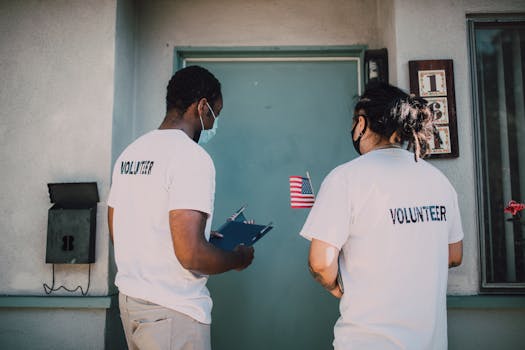 Photo: RDNE Stock project / Pexels
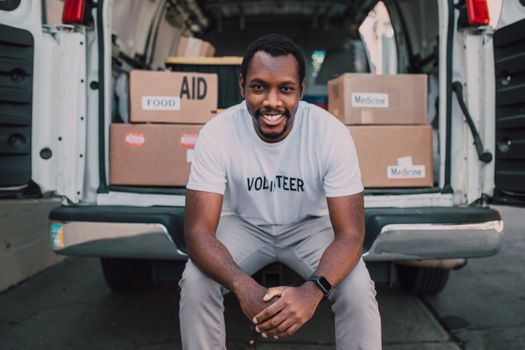 Photo: RDNE Stock project / Pexels
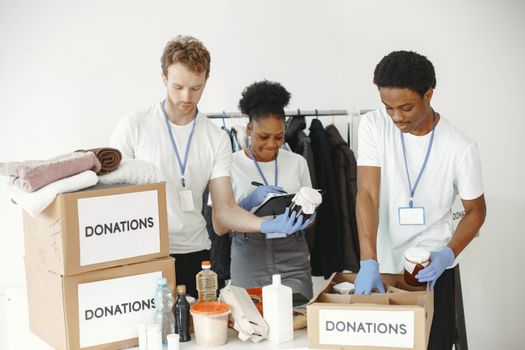 Photo: Gustavo Fring / Pexels
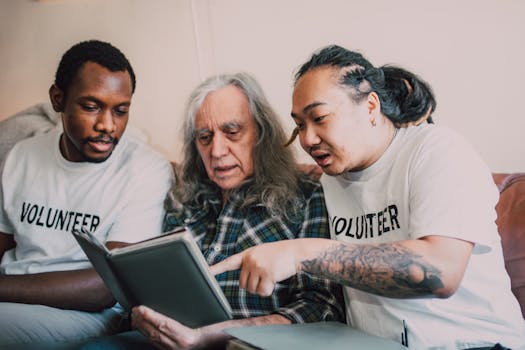 Photo: RDNE Stock project / Pexels