Discover the Best CRM for Nonprofits: Your Ultimate Guide
best CRM for nonprofits

Discover the Best CRM for Nonprofits: Your Ultimate Guide

Streamline operations, deepen donor relationships, and amplify your mission's impact with the right CRM.

Find Your Perfect CRM

Key Takeaways

  • ✓ A CRM centralizes donor data, communication, and fundraising efforts.
  • ✓ Choosing the right CRM can significantly boost a nonprofit's efficiency and impact.
  • ✓ Key features include donor management, fundraising tools, and reporting.
  • ✓ Many CRMs offer special pricing or versions tailored for nonprofits.

How It Works

1
Assess Your Nonprofit's Needs

Identify your specific challenges in donor management, communication, and fundraising. Consider your budget, team size, and existing tech stack.

2
Research Top CRM Solutions

Explore CRMs known for their nonprofit focus, comparing features, pricing, and user reviews. Look for solutions that align with your organizational goals.

3
Request Demos and Trials

Experience potential CRMs firsthand by scheduling demonstrations and utilizing free trials. Test core functionalities with your actual data, if possible.

4
Implement and Optimize

Once chosen, meticulously plan the implementation, including data migration and staff training. Continuously optimize your CRM usage to maximize its benefits.

Understanding the Core Needs of Nonprofits for CRM Software

Close-up of business analytics charts and graphs on papers and clipboard. Photo: RDNE Stock project / Pexels
In the dynamic world of nonprofit organizations, every resource—from time and money to volunteer efforts—is precious. The ability to effectively manage donor relationships, streamline fundraising campaigns, and foster community engagement is not just beneficial; it’s absolutely critical for sustained impact and growth. This is where a robust Customer Relationship Management (CRM) system, specifically designed or adapted for nonprofits, becomes an indispensable asset. Unlike standard business CRMs focused purely on sales leads and customer conversions, a nonprofit CRM prioritizes relationships with donors, volunteers, beneficiaries, and other stakeholders. It’s about cultivating a community, nurturing generosity, and ensuring that every interaction reinforces the organization's mission. The core needs of a nonprofit CRM revolve around several key pillars. Firstly, comprehensive donor management is paramount. This includes tracking donor history, preferences, communication records, giving patterns, and wealth indicators. A system that can segment donors based on these criteria allows for highly personalized outreach, which is proven to increase donor retention and upgrade rates. Imagine being able to quickly identify your most loyal recurring donors or those who have shown interest in a specific program, then tailoring your communication to their unique engagement profile. This level of insight transforms generic appeals into compelling, personal conversations. Secondly, effective fundraising campaign management is crucial. Nonprofits run a variety of campaigns, from annual appeals and capital campaigns to peer-to-peer fundraising and special events. A good CRM provides tools to plan, execute, and track these campaigns, measuring their success in real-time. This includes managing pledges, processing donations securely, and automating acknowledgments, freeing up valuable staff time from administrative tasks to focus on mission-critical work. Without these capabilities, nonprofits risk disjointed efforts, missed opportunities, and an inability to accurately assess campaign ROI. Beyond donor and campaign management, a nonprofit CRM must support volunteer coordination, grant management, and impact reporting. Volunteers are the lifeblood of many organizations, and a CRM can help track their hours, skills, availability, and engagement, ensuring they are deployed effectively and feel valued. For organizations reliant on grants, the CRM can manage application deadlines, reporting requirements, and communication with foundations, reducing the risk of missed opportunities or compliance issues. Finally, the ability to generate insightful reports is non-negotiable. Nonprofits need to demonstrate their impact to donors, board members, and regulatory bodies. A CRM that can easily pull data on fundraising performance, donor demographics, program outcomes, and engagement metrics provides the evidence needed to tell a compelling story of impact and secure future funding. Choosing the right fundraising software integrated with your CRM is a game-changer. Ultimately, the best CRM for nonprofits empowers organizations to operate more efficiently, build stronger relationships, and achieve their mission with greater impact, transforming operational challenges into opportunities for growth and deeper engagement. This holistic approach ensures that technology serves the greater good, enabling nonprofits to focus on what truly matters: making a difference in the world.

Key Features to Look for in a Nonprofit CRM Solution

Group of volunteers organizing clothing and water donations indoors. Photo: Julia M Cameron / Pexels
When evaluating the myriad of CRM solutions available, nonprofits must discern which features are truly essential for their unique operational structure and mission. While a basic CRM might offer contact management, a specialized nonprofit CRM goes far beyond, providing functionalities tailored to the intricacies of donor relations and fundraising. The ability to manage relationships effectively is at the heart of any successful nonprofit, and the right CRM acts as the central nervous system for this effort, ensuring no donor, volunteer, or opportunity falls through the cracks. First and foremost, look for robust donor and constituent management. This isn't just a glorified address book. It should allow for detailed profiling, including not just contact information but also communication preferences, giving history, affiliations, interests, and even soft credits for influential connections. The CRM should support various constituent types beyond donors, such as volunteers, board members, corporate partners, and program beneficiaries, providing a 360-degree view of every relationship. The capacity for segmentation is critical here, enabling organizations to categorize constituents into groups for targeted outreach – for example, identifying major gift prospects, recurring donors, or lapsed donors who might benefit from a re-engagement campaign. This level of detail empowers personalized communication, which is far more effective than generic blasts. Secondly, integrated fundraising and donation processing capabilities are non-negotiable. The best CRM for nonprofits will offer seamless integration with online donation forms, peer-to-peer fundraising platforms, and event registration tools. It should automate the processing of one-time and recurring donations, manage pledges, and generate tax-compliant receipts. Beyond processing, it should provide tools for campaign management, allowing nonprofits to plan, launch, and track the performance of various fundraising initiatives. This includes setting goals, monitoring progress, and analyzing campaign effectiveness. The ability to manage grants, including tracking application deadlines, reporting requirements, and communication with grant-making foundations, is also a significant advantage for many organizations. Without these integrated features, nonprofits often find themselves wrestling with disparate systems, leading to data silos, duplicate entries, and a fragmented view of their fundraising efforts. Thirdly, communication and engagement tools are vital. A nonprofit CRM should facilitate multi-channel communication, including email marketing integrations, direct mail management, and even social media tracking. It should allow for the automation of welcome series for new donors, thank-you messages, and anniversary reminders, ensuring timely and consistent engagement. Event management features, from invitations and RSVPs to attendee tracking and post-event follow-up, can significantly streamline the execution of fundraising galas or community outreach events. Finally, comprehensive reporting and analytics are crucial for demonstrating impact and informing strategic decisions. The CRM should offer customizable dashboards and reports that provide insights into donor retention rates, fundraising trends, campaign ROI, and program effectiveness. These analytical capabilities empower nonprofits to understand their strengths, identify areas for improvement, and communicate their achievements transparently to stakeholders. The right set of features transforms a CRM from a mere database into a strategic tool that drives mission success.

Top Contenders: A Deep Dive into the Best CRM for Nonprofits in the US Market

Volunteers packing food and medicine boxes for donation. Community service and support efforts. Photo: RDNE Stock project / Pexels
Navigating the crowded landscape of CRM providers can be daunting, especially when searching for a solution perfectly aligned with the unique demands of the nonprofit sector. In the United States, several platforms have distinguished themselves by offering robust features, flexible pricing, and dedicated support for mission-driven organizations. Understanding the strengths and weaknesses of these top contenders is crucial for making an informed decision that will empower your organization for years to come. The goal is not just to find a CRM, but to find a strategic partner in technology that understands and supports the multifaceted work of nonprofits. This section will highlight some of the leading options, detailing their key offerings and suitability for various organizational sizes and needs. Salesforce for Nonprofits, particularly through its Nonprofit Cloud, often stands out as a powerful and highly customizable option. Built on the world's leading CRM platform, it offers an extensive suite of tools for donor management, fundraising, program management, and marketing automation. Its strength lies in its scalability and the vast ecosystem of third-party integrations available through the AppExchange, allowing organizations to tailor the platform to almost any specific need. Salesforce offers 10 free user licenses to qualified nonprofits, making it an attractive option for those with the technical capacity to implement and customize it. However, its immense flexibility can also be its greatest challenge; implementation can be complex and may require dedicated IT resources or external consultants. For larger, more complex organizations with diverse programs and significant fundraising goals, Salesforce can be an unparalleled asset, providing a single source of truth for all constituent data and activities. For those seeking comprehensive management software, Salesforce often tops the list. Blackbaud products, such as Raiser's Edge NXT and Blackbaud CRM, are titans in the nonprofit technology space, particularly for larger organizations and educational institutions. Raiser's Edge NXT is a cloud-based solution offering sophisticated tools for donor acquisition, retention, and major gift fundraising, alongside robust reporting and analytics. Blackbaud CRM is an enterprise-level solution designed for the most complex organizations, offering unparalleled customization and integration capabilities. These platforms are known for their deep feature sets, comprehensive support, and extensive industry knowledge. However, they typically come with a higher price point and a steeper learning curve, making them a significant investment. They are ideal for established nonprofits with substantial budgets and a need for highly specialized functionality and compliance. Other strong contenders cater to a broader range of nonprofits. Classy, while primarily known for its fundraising platform, also offers robust donor management features that integrate seamlessly with its event, peer-to-peer, and online giving tools. It's lauded for its user-friendly interface and modern design, making it an excellent choice for organizations prioritizing engaging online experiences and ease of use for their donors and staff. Bloomerang focuses heavily on donor retention, offering intelligent features like donor engagement scores, wealth screening, and personalized communication tools. Its intuitive interface and strong emphasis on data-driven donor cultivation make it particularly appealing to small to medium-sized nonprofits looking to build lasting relationships without extensive technical overhead. Likewise, NeonOne (which includes NeonCRM) provides an all-in-one solution encompassing donor management, fundraising, memberships, events, and website integration, often praised for its comprehensive feature set and scalability for growing organizations. Each of these platforms offers unique advantages, and the best choice ultimately depends on an organization’s specific budget, technical capacity, and strategic priorities, requiring careful consideration and evaluation of demos.

Avoiding Common Pitfalls and Maximizing Your CRM Investment
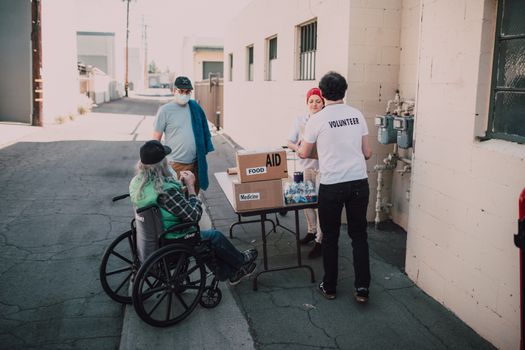
Volunteers distribute food and medicine to those in need, demonstrating compassion and community support. Photo: RDNE Stock project / Pexels
Implementing a new CRM is a significant undertaking for any nonprofit, and while the potential benefits are immense, several common pitfalls can derail even the most well-intentioned efforts. Being aware of these challenges upfront and proactively planning to mitigate them is crucial for maximizing your investment and ensuring the CRM truly serves as a catalyst for your mission. The goal isn't just to buy software, but to integrate a transformative tool that empowers your team and deepens your impact. Avoiding these missteps can save your organization considerable time, money, and frustration. One of the most frequent mistakes is insufficient planning and needs assessment. Many organizations jump into CRM selection without a clear understanding of their current processes, pain points, and future goals. This can lead to choosing a system that either lacks critical features or is overly complex for their actual needs. Before even looking at software, gather input from all departments that will use the CRM—fundraising, marketing, programs, finance, and even leadership. Document your current workflows, identify inefficiencies, and articulate what you hope to achieve with a new system. This comprehensive assessment will serve as your blueprint for CRM selection and implementation, ensuring the chosen solution aligns perfectly with your strategic objectives. Another significant pitfall is neglecting data migration and cleanup. Your CRM is only as good as the data it holds. Moving existing donor data from spreadsheets, legacy systems, or multiple databases can be a daunting task. Poor data quality—duplicate records, incomplete information, or inconsistent formatting—will cripple your new CRM's effectiveness from day one. Allocate ample time and resources for data cleanup before migration. Consider hiring a consultant if your data is particularly messy. Develop a clear data migration plan, test it thoroughly, and ensure all historical information that is relevant for donor cultivation and reporting is accurately transferred. A clean, well-organized database is the foundation of a successful CRM implementation. Lack of user adoption and inadequate training are also common stumbling blocks. Even the most powerful CRM is useless if your staff doesn't use it consistently or correctly. Resistance to change is natural, so it's essential to involve your team early in the selection process, communicate the benefits clearly, and provide thorough, ongoing training. Don't just offer a single training session; provide different formats (webinars, hands-on workshops, one-on-one support) and create easily accessible resources (user guides, video tutorials). Appoint internal champions who can advocate for the CRM and provide peer support. Regular check-ins and feedback loops can help address issues and ensure the CRM becomes an indispensable part of daily operations. Finally, remember that CRM implementation is not a one-time event but an ongoing process of optimization. Regularly review your CRM usage, collect feedback, and explore new features or integrations to ensure the system continues to meet your evolving needs and maximize your investment for sustained mission success.

Comparison

FeatureSalesforce Nonprofit CloudBlackbaud Raiser's Edge NXTBloomerangNeonOne (NeonCRM)
Donor ManagementComprehensive, highly customizableAdvanced, enterprise-gradeStrong, donor retention focusComprehensive, all-in-one
Fundraising ToolsExtensive, AppExchange integrationsRobust campaign & major gift toolsIntegrated online giving, eventsIntegrated online giving, events, memberships
Ease of UseModerate to complex (customization)Moderate to complexHigh (intuitive interface)Moderate to High
ScalabilityExcellent (from small to enterprise)Excellent (large to enterprise)Good (small to medium, growing)Good (small to large)
Pricing Model10 free licenses, then tieredTiered, generally higherTiered, feature-basedTiered, feature-based
Reporting & AnalyticsPowerful, highly customizableAdvanced, specialized nonprofit reportsIntuitive, engagement-focusedRobust, customizable
IntegrationsVast AppExchange ecosystemExtensive Blackbaud ecosystemGood, popular third-partiesGood, API available
Volunteer Management✓ (via AppExchange/customization)✓ (add-on modules)✗ (limited)
Grant Management✓ (via AppExchange/customization)✓ (add-on modules)✗ (limited)

What Readers Say

"Switching to Salesforce Nonprofit Cloud revolutionized our donor engagement. The customization options meant we could build exactly what we needed, and the free licenses were a huge help for our budget. Our fundraising efforts are now so much more targeted and effective."

Sarah Chen · Austin, TX

"Raiser's Edge NXT has been instrumental for our university's alumni relations and major gifts team. The depth of historical data and reporting capabilities are unmatched, allowing us to cultivate long-term relationships and secure significant donations."

Mark Johnson · Miami, FL

"Bloomerang's focus on donor retention is exactly what our small animal rescue needed. The engagement scores help us prioritize outreach, and the platform is incredibly easy to use, even for non-tech-savvy staff. We've seen a noticeable increase in recurring donations."

Emily Davis · Portland, OR

"NeonOne provides a solid all-in-one solution for our growing arts organization. While initial setup had a learning curve, having donor management, events, and memberships in one place has significantly streamlined our operations. We wish some reporting features were more intuitive."

David Lee · Chicago, IL

"As a national advocacy group, we needed a CRM that could handle complex segmentation and communication strategies. Salesforce Nonprofit Cloud, with some expert customization, has allowed us to manage millions of constituents and execute highly targeted campaigns, greatly amplifying our policy impact."

Maria Rodriguez · Denver, CO

Frequently Asked Questions

What is the best CRM for nonprofits overall?

There's no single 'best' CRM for all nonprofits, as the ideal choice depends on your organization's size, budget, specific needs (donor management, fundraising, program tracking), and technical capacity. Top contenders include Salesforce Nonprofit Cloud (for customization and scale), Blackbaud (for large, complex orgs), Bloomerang (for donor retention focus), and NeonOne (for all-in-one simplicity).

Is a nonprofit CRM worth the investment for a small organization?

Absolutely. Even small nonprofits can significantly benefit from a CRM by centralizing donor data, automating communications, and streamlining fundraising. This frees up valuable staff time, helps prevent lost opportunities, and allows for more strategic growth, often offsetting the cost with increased efficiency and fundraising success. Many CRMs offer affordable tiers or free versions for smaller organizations.

How do I ensure my team actually uses the new CRM?

User adoption is key! Involve your team in the selection process, clearly communicate the benefits, and provide comprehensive, ongoing training tailored to different roles. Appoint internal champions, offer easy-to-access resources, and establish a culture where the CRM is seen as an essential tool for success, not just another administrative burden.

What's the typical cost of a nonprofit CRM?

The cost varies widely. Some CRMs offer free versions or significant discounts for nonprofits (e.g., Salesforce's 10 free licenses). Paid plans can range from $50-$200 per user per month for basic versions to several thousands per month for enterprise-level solutions with extensive features and users. Always factor in potential implementation, training, and integration costs beyond the monthly subscription.

How does a nonprofit CRM differ from a standard business CRM?

While both manage relationships, a nonprofit CRM is specifically designed for the unique needs of mission-driven organizations. It prioritizes donor management, fundraising campaign tracking, grant management, volunteer coordination, and impact reporting over traditional sales pipelines and customer service. It often includes features for managing pledges, recurring donations, and segmenting constituents based on giving history and engagement.

Which nonprofits benefit most from a dedicated CRM?

Any nonprofit looking to grow its donor base, improve retention, streamline fundraising efforts, and better understand its impact will benefit from a dedicated CRM. This includes charities, educational institutions, advocacy groups, religious organizations, and foundations of all sizes. It's particularly beneficial for those struggling with scattered data or inefficient manual processes.

Is my donor data safe in a cloud-based CRM?

Reputable cloud-based CRMs employ robust security measures, including data encryption, regular backups, secure servers, and compliance with privacy regulations (like GDPR and CCPA). Always choose a provider with a strong security track record and transparent data handling policies to ensure your sensitive donor information is protected.

What are the future trends in nonprofit CRM technology?

Future trends include greater integration with AI for personalized donor outreach and predictive analytics, enhanced mobile accessibility for staff and donors, increased focus on constituent journey mapping, and deeper integration with social media and digital marketing tools to foster holistic engagement and maximize fundraising impact.

Ready to transform your nonprofit's operations and amplify your mission? Explore the best CRM for nonprofits today. By investing in the right technology, you can streamline processes, deepen donor relationships, and achieve greater impact than ever before. Your perfect solution is waiting.

Topics: best CRM for nonprofitsnonprofit CRM softwaredonor management systemfundraising CRMnonprofit technology
Leo List

DK Escorts LU Escorts AT Escorts SE Escorts FI Escorts CH Escorts DE Escorts HR Escorts IE Escorts GR Escorts CZ Escorts NO Escorts BE Escorts FR Escorts SI Escorts IL Escorts NL Escorts PL Escorts HU Escorts ES Escorts IT Escorts PT Escorts SK Escorts RO Escorts ZA Escorts UY Escorts US Escorts UK Escorts NZ Escorts AU Escorts
Brampton weed
Adultwork EstrelaBet Vai de Bet R7 Bet Betão Galera Bet Rainbet Bet9ja Shop SportyBet BetKing Sisal Loto Foot Hollywoodbets YesPlay Odibets RushBet Jugabet BetWarrior BetCity MSport betPawa Fortebet