Essential Car Rental Safety Features Cyprus Guide
June 24, 2026 16 min read 3,182 words
Unlock a worry-free driving experience in Cyprus by understanding and utilizing critical car rental safety features.
Explore Safety Now
Understanding Essential Car Rental Safety Features in Cyprus
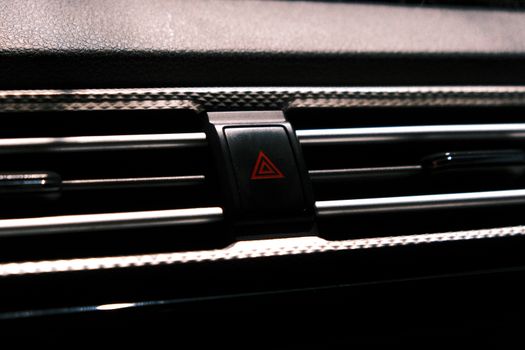 Photo: John Joshua Mejia Jose / Pexels
When planning a trip to the beautiful island of Cyprus, renting a car is often the most convenient way to explore its diverse landscapes, from ancient ruins to stunning beaches. However, for travelers from the US, navigating unfamiliar roads and rental car specifics in a foreign country can present unique challenges. A crucial aspect of ensuring a smooth and safe journey is understanding the car rental safety features Cyprus offers and what to look for when booking your vehicle. This goes beyond just having a car; it's about having a vehicle equipped to handle various road conditions and unexpected situations, providing peace of mind as you drive.
Firstly, let's consider the fundamental active safety features. Anti-lock Braking System (ABS) is a non-negotiable. This system prevents the wheels from locking up during emergency braking, allowing the driver to maintain steering control. Especially on Cyprus's sometimes dusty or winding roads, ABS can be a lifesaver. Electronic Stability Program (ESP), sometimes called Electronic Stability Control (ESC) or Dynamic Stability Control (DSC), is another critical feature. ESP helps prevent skidding and loss of control by detecting and reducing traction loss. If the system senses an impending skid, it can apply brakes to individual wheels and/or reduce engine power to help steer the vehicle back on its intended path. Given the left-hand traffic in Cyprus, which can be an adjustment for US drivers, having ESP can provide an extra layer of confidence, especially when navigating roundabouts or unfamiliar turns. Traction Control System (TCS) often works in conjunction with ABS and ESP, preventing wheelspin during acceleration, particularly useful on loose surfaces or during sudden acceleration from a standstill.
Passive safety features are equally vital. Airbags, including front, side, and curtain airbags, are standard in most modern vehicles and are designed to protect occupants in the event of a collision. Confirming the presence and number of airbags is a simple yet effective step in prioritizing your safety. Seatbelts, of course, are the most basic and crucial passive safety feature; always ensure all passengers are properly buckled up. For families traveling with children, confirming the availability and proper installation of child car seats is paramount. Reputable rental agencies should offer these, but it's essential to reserve them in advance and verify their condition upon pickup.
Modern rental fleets in Cyprus are increasingly incorporating advanced driver-assistance systems (ADAS). While not always standard in every budget rental, features like Lane Departure Warning (LDW), Blind Spot Monitoring (BSM), and Rear Cross-Traffic Alert (RCTA) can significantly enhance safety. LDW alerts the driver if the vehicle begins to drift out of its lane without an activated turn signal, which can be particularly helpful on longer stretches of highway. BSM uses sensors to detect vehicles in your blind spots and provides visual or audible warnings, a great aid when changing lanes. RCTA warns you of approaching vehicles when backing out of a parking space, invaluable in busy Cypriot towns or hotel car parks. While these ADAS features add an extra layer of protection, they should always be seen as aids, not replacements for attentive driving.
Finally, the condition of basic vehicle components directly impacts safety. Always check the tires for adequate tread depth and proper inflation. Worn tires significantly reduce grip, especially in wet conditions. Ensure all lights (headlights, tail lights, brake lights, indicators) are fully functional. A quick check of the windshield wipers and fluid level is also advisable, as sudden rain showers can occur. Don't hesitate to ask the rental agency about these checks or to demonstrate their functionality. Being proactive about these checks can prevent minor inconveniences from escalating into significant safety concerns. Understanding these features and prioritizing them when selecting your rental car will undoubtedly contribute to a safer and more enjoyable driving experience across Cyprus. For more information on navigating the legal aspects, consider reviewing
Cyprus driving laws for tourists.
Navigating Cyprus: Road Conditions and Driving Culture for US Travelers
 Photo: RDNE Stock project / Pexels
For US travelers, adjusting to driving in Cyprus involves more than just getting used to the left-hand side of the road. Understanding the local road conditions and driving culture is equally important for a safe and stress-free journey. Cyprus boasts a relatively well-developed road network, especially between major cities and tourist areas. Highways like the A1 connecting Nicosia and Limassol are generally well-maintained and offer smooth driving. However, venturing off these main arteries into rural areas, mountain villages, or towards archaeological sites, you may encounter narrower, winding roads, often with steeper inclines and descents. Some roads, particularly in less-frequented areas, might be unpaved or have loose gravel, which can affect vehicle handling and braking distances. This is where advanced safety features like ABS and ESP become even more crucial, providing enhanced control on varied surfaces.
Another significant difference is the driving style. While Cypriots are generally courteous drivers, the pace can sometimes feel more aggressive than what many US drivers are accustomed to. Overtaking on single-lane roads might occur more frequently, and drivers may utilize shoulders for brief periods. Patience and defensive driving are key. Always anticipate the actions of other drivers and maintain a safe following distance. Roundabouts are prevalent throughout Cyprus and can be confusing for those not used to them, especially with left-hand traffic. The rule is to give way to traffic already in the roundabout and approaching from your right. Clear signage is usually present, but a quick review of roundabout etiquette before your trip can be very beneficial.
Parking can also be a challenge, particularly in popular tourist towns and city centers. While many hotels and larger attractions offer designated parking, street parking can be tight and sometimes requires payment or a parking disc (available from kiosks). Always check for parking restrictions to avoid fines. When parking on inclines, ensure your handbrake is fully engaged and consider turning your wheels towards the curb.
Weather conditions in Cyprus can also impact driving safety. Summers are hot and dry, which can lead to tire wear and overheating if not properly maintained. Dust from construction or agricultural areas can reduce visibility. Winters, while mild, can bring rain, making roads slippery, especially after a long dry spell when oil and dust accumulate on the surface. In mountainous regions, fog can descend quickly, and very occasionally, snow can occur, necessitating extra caution. Always check the weather forecast before embarking on longer journeys, especially if heading into the Troodos Mountains.
Finally, be aware of speed limits, which are generally well-signposted. On highways, the limit is typically 100 km/h (approximately 62 mph), while in urban areas, it's usually 50 km/h (approximately 31 mph). Speed cameras are in operation, and fines can be substantial. Adhering to speed limits is not just about avoiding fines; it's a fundamental aspect of road safety, giving you more time to react to unexpected situations. By being prepared for these road conditions and aspects of Cypriot driving culture, US travelers can significantly enhance their safety and enjoyment while exploring the island. Remember, a cautious and informed driver is a safe driver, regardless of the destination.
You may also find Rental Car Cyprus useful.
Essential Pre-Rental Checks and Insurance Considerations for Peace of Mind
Before you even set foot in your rental car in Cyprus, a thorough understanding of pre-rental checks and insurance options is paramount for a truly worry-free experience. Many travelers overlook these crucial steps, only to face unexpected costs or difficulties later. For US citizens, whose domestic insurance policies may not extend internationally, this due diligence is even more critical.
Firstly, when booking your rental, always scrutinize the terms and conditions. Look specifically for information regarding safety features included as standard. Don't assume a budget car will have all the ADAS features of a premium vehicle. If specific features like ESP or multiple airbags are a priority, confirm their presence with the rental company. Also, inquire about the age of the fleet; newer cars generally come with more advanced safety technologies and are less prone to mechanical issues. Upon arrival to pick up your vehicle, perform a comprehensive inspection. This means more than just a quick glance. Walk around the entire car, noting any existing dents, scratches, or damage to the bodywork, wheels, and interior. Take detailed photos or videos of all angles, especially any pre-existing damage, and ensure these are explicitly noted on your rental agreement. This documentation is your protection against being charged for damage you didn't cause upon return. Test all lights (headlights, brake lights, indicators), wipers, and the horn. Check tire pressure and tread depth if possible, and ensure the spare tire or repair kit is present and accessible.
Secondly, insurance is arguably the most critical aspect of car rental safety. In Cyprus, as in most European countries, third-party liability insurance is mandatory and usually included in the base rental price. This covers damage to other vehicles or property, or injuries to third parties, but does not cover damage to your rental car. For coverage of your rental vehicle, you'll need a Collision Damage Waiver (CDW) or Loss Damage Waiver (LDW). This waiver reduces your financial liability for damage to the rental car. However, CDW/LDW almost always comes with an 'excess' or 'deductible,' meaning you are still responsible for the first portion of repair costs. This excess can range from a few hundred to over a thousand euros.
To mitigate this excess, rental companies offer Super CDW or Full Protection options, which reduce or eliminate the excess entirely. While these add to the daily rental cost, they can save you significant money and stress if an accident occurs. Before purchasing these from the rental company, check if your personal car insurance policy from the US provides international rental car coverage (many do not, or have limitations), or if your credit card offers secondary rental car insurance benefits. Some premium credit cards offer comprehensive coverage, but often require you to decline the rental company's CDW. Always call your credit card company directly to understand their specific terms, conditions, and coverage limits for international rentals. It's also wise to consider Personal Accident Insurance (PAI) which covers medical expenses for you and your passengers in case of an accident, and Theft Protection (TP). Understanding these insurance layers and securing the right coverage tailored to your needs is a vital step in ensuring your financial and physical safety while driving a rental car in Cyprus. For more details on safe travel, explore our resources on
responsible tourism practices.
Top Tips for Enhancing Your Car Rental Safety in Cyprus
Ensuring your safety while driving a rental car in Cyprus goes beyond just the features of the vehicle; it also heavily relies on your preparation and driving habits. Here are some essential tips to enhance your car rental safety:
* **Familiarize Yourself with Left-Hand Driving:** This is perhaps the biggest adjustment for US drivers. Practice in a quiet area if possible. Always remember: you're on the left, and the steering wheel is on the right. Give yourself extra time to adjust, especially at junctions and roundabouts.
* **Plan Your Routes in Advance:** Use GPS or a reliable map. Knowing your route reduces stress and allows you to focus on the road. Many rental cars offer built-in GPS, or you can use smartphone apps. Consider downloading offline maps for areas with spotty reception.
* **Avoid Distracted Driving:** Put away your phone. Eating, drinking, or engaging in intense conversations can divert your attention from the road, which is even more dangerous in an unfamiliar environment. Utilize hands-free kits if you need navigation assistance.
* **Stay Alert and Well-Rested:** Long drives, especially after a transatlantic flight, can lead to fatigue. Take regular breaks, share driving duties if possible, and avoid driving when you're tired. Fatigue impairs judgment and reaction time.
* **Understand Local Road Signs:** While many signs are international, some may be unique to Cyprus or Europe. A quick online search for 'Cyprus road signs' can help you understand common symbols before you go.
* **Secure Your Belongings:** When parking, especially in tourist-heavy areas, ensure all valuables are out of sight or taken with you. While Cyprus is generally safe, opportunistic theft can occur.
* **Know Emergency Procedures:** Familiarize yourself with the rental company's roadside assistance number and what to do in case of a breakdown or accident. Keep these numbers easily accessible. In an emergency, dial 112 (the pan-European emergency number).
* **Don't Drink and Drive:** Cyprus has strict laws regarding driving under the influence. The legal limit for alcohol is lower than in most US states. It's always best to appoint a designated driver or use taxis/public transport if you plan to consume alcohol.
* **Be Mindful of Pedestrians and Cyclists:** In towns and villages, pedestrians and cyclists may share the road, often without designated lanes. Drive cautiously, especially in residential areas and near attractions.
* **Check for Any Rental Restrictions:** Some rental agreements might restrict driving on unpaved roads or in certain mountainous areas. Adhering to these not only protects you but also prevents voiding your insurance.
By combining a safe vehicle with responsible driving practices, your Cypriot road trip will be both memorable and secure.
