How to Easily Donate to Charity Near Me and Make an Impact
donate to charity near me

How to Easily Donate to Charity Near Me and Make an Impact

Connect with impactful local charities and simplify your giving experience to create real change.

Find Local Charities Now

Key Takeaways

  • ✓ Over 80% of charitable giving in the US comes from individuals.
  • ✓ Local charities often have lower administrative costs and direct community impact.
  • ✓ Donating items can be just as valuable as monetary contributions to many nonprofits.
  • ✓ Tax deductions are often available for charitable contributions, both cash and in-kind.

How It Works

1
Define Your Cause

Before searching, consider what issues you're passionate about – hunger, education, animal welfare, etc. This helps narrow your focus and find the most relevant charities.

2
Research Local Nonprofits

Utilize online directories, charity evaluators, and local community resources to identify reputable organizations in your area. Look for transparency and impact.

3
Choose Your Donation Method

Decide whether to donate money, goods, time, or a combination. Each method has different benefits and logistical considerations for both you and the charity.

4
Make Your Contribution

Follow the charity's instructions for donating. Keep records of your contributions for tax purposes and to track the impact of your generosity.

Understanding the Impact of Local Giving: Why Donate to Charity Near Me?
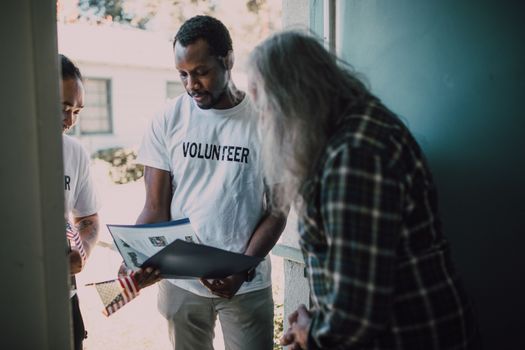
Volunteers visit a home to provide community support and discuss documents. Photo: RDNE Stock project / Pexels
The desire to make a difference is a powerful motivator, and for many, that desire is strongest when it comes to their own community. When you decide to donate to charity near me, you're not just giving; you're investing directly into the fabric of your local society. Unlike large national or international organizations, local charities often operate with a deep understanding of specific community needs and challenges. They are on the ground, serving your neighbors, supporting local schools, feeding families in your town, or protecting the natural spaces you enjoy. This proximity means your contributions, whether monetary or in-kind, can have a more immediate and visible impact. You can often see the results of your generosity firsthand, fostering a stronger connection to the cause and providing a greater sense of fulfillment. Consider the operational efficiency of local nonprofits. While larger organizations have extensive administrative structures, many local charities, especially smaller ones, thrive on volunteer power and lean operations. This often translates to a higher percentage of your donation going directly to programs and services rather than overhead. They are agile, able to adapt quickly to emerging local crises or shifting community demands. For instance, a local food bank can respond rapidly to an increase in unemployment in your town, or a neighborhood youth center can launch a new after-school program addressing a specific need identified by local parents. This direct line of sight and tangible outcome is a significant reason why many prefer to support local causes. Furthermore, donating locally helps to build stronger, more resilient communities. When you support a local homeless shelter, you're not just helping individuals; you're contributing to a safer, more stable environment for everyone. When you fund a local arts program, you're enriching the cultural life of your town and providing opportunities for local talent. These organizations often collaborate with other local entities – businesses, schools, and government agencies – creating a network of support that amplifies their collective impact. Your donation becomes part of a larger ecosystem of local care and development. It fosters civic engagement and encourages others in your community to also get involved, creating a ripple effect of generosity and positive change. Choosing to support a local nonprofit is a powerful statement about your commitment to the place you call home, ensuring that resources are directed where they are most critically needed and effectively utilized.

Navigating the Search: How to Find Reputable Local Charities

Group of volunteers wearing masks sorting donations with a laptop, promoting diversity and teamwork. Photo: Gustavo Fring / Pexels
Once you've decided to donate to charity near me, the next crucial step is finding organizations that are reputable, transparent, and align with your values. The sheer number of nonprofits can be overwhelming, but several effective strategies and resources can help you identify trustworthy local charities. Start by thinking about the specific causes you care about. Are you passionate about animal welfare, environmental protection, supporting veterans, or helping children? Having a clear focus will narrow your search significantly. Online charity evaluators are excellent starting points. Websites like Charity Navigator, GuideStar (now Candid), and CharityWatch provide in-depth reports on charities, including financial health, accountability, and transparency. While these sites often feature larger organizations, they increasingly include smaller, local nonprofits. You can typically search by location and cause to find relevant results. Pay attention to their ratings and read the detailed reports to understand how a charity uses its funds. Look for indicators such as a high percentage of expenses dedicated to programs and services, independent audits, and a diverse board of directors. Beyond national evaluators, consider leveraging local resources. Your local community foundation is an invaluable asset; these organizations exist to connect donors with local needs and often have deep knowledge of effective nonprofits in the area. Local government websites, especially those related to social services, parks and recreation, or community development, might list partnering organizations. Public libraries often have directories or can point you to local resources. Even a simple Google search for "[your city/county] charities" or "nonprofits in [your town]" can yield numerous results. However, always exercise due diligence with direct search results. Don't underestimate the power of word-of-mouth and local recommendations. Ask friends, family, or colleagues who are actively involved in community work for their insights. Local religious institutions, schools, and community centers often partner with or can recommend specific charities that are making a difference. Attend local charity events, volunteer fairs, or community gatherings – these are excellent opportunities to meet representatives from various organizations, learn about their work firsthand, and gauge their passion and professionalism. Remember, a reputable charity will always be open to sharing information about their mission, programs, and financial standings. Don't hesitate to contact them directly with questions before making your donation.

Maximizing Your Impact: Types of Donations and Best Practices

Volunteers distribute bottled water and supplies to diverse individuals in an outdoor setting, showcasing community support. Photo: RDNE Stock project / Pexels
When you decide to donate to charity near me, you have more options than just writing a check. Understanding the different ways to give and the best practices for each can significantly enhance the impact of your contribution. Monetary donations are, of course, always welcome. They provide charities with the flexibility to allocate funds where they are most needed, covering operational costs, program expenses, or unexpected needs. When making a financial contribution, consider setting up a recurring donation. Even a small monthly amount can provide charities with a predictable income stream, allowing them to plan and sustain their programs more effectively. Always donate through secure channels, such as the charity's official website or a trusted fundraising platform, and ensure you receive a receipt for tax purposes. In-kind donations, or gifts of goods and services, are another incredibly valuable way to support local charities. Many organizations have specific needs for items like clothing, non-perishable food, household goods, books, or office supplies. Before dropping off a carload of items, it's always best practice to contact the charity directly to inquire about their current needs and donation guidelines. This ensures that your donation is genuinely useful and doesn't create an additional burden for them to sort, store, or dispose of unwanted items. For example, a food bank might prefer specific nutritional items, while a homeless shelter might need new socks and underwear more than used formal wear. Some charities even accept larger items like vehicles or property, which can be significant assets. Remember to get a detailed receipt for in-kind donations, as their fair market value can often be tax-deductible. Beyond money and goods, your time and skills can be the most precious gift of all. Volunteering allows you to directly contribute to a charity's mission, providing hands-on support that often saves organizations significant labor costs. Whether it's serving meals at a soup kitchen, tutoring children, walking dogs at an animal shelter, or using your professional skills (like accounting, marketing, or legal advice) to help a nonprofit, your time is invaluable. Look for volunteer opportunities that match your interests and availability. Many charities also seek board members, offering a chance to contribute strategic guidance. Regardless of how you choose to donate, always verify the charity's legitimacy, understand their mission, and ensure your contribution aligns with their needs to maximize its positive effect on your community.

Common Pitfalls to Avoid When You Donate to Charity Near Me

Minimalist image of a black ribbon symbolizing awareness against white background. Photo: Tara Winstead / Pexels
While the intention behind charitable giving is always noble, navigating the landscape of donations can sometimes lead to common pitfalls. Being aware of these can help ensure your generosity is both effective and secure. One of the most prevalent mistakes is failing to research the charity adequately. In the digital age, it's easy for less reputable organizations to create convincing online presences. Always verify a charity's legitimacy using the evaluators mentioned earlier (Charity Navigator, GuideStar) or by checking with your state's Attorney General's office, which often maintains databases of registered nonprofits. Be wary of charities that pressure you for immediate donations, refuse to provide information about their programs or finances, or have names strikingly similar to well-known organizations. Another common issue arises with in-kind donations. While donating goods is wonderful, many people make the mistake of dropping off items that are unusable, broken, or in poor condition without first checking with the charity. This can create more work and expense for the nonprofit, as they then have to sort through and dispose of unusable items. Always ask what items are currently needed and ensure anything you donate is clean, functional, and in good repair. A good rule of thumb: if you wouldn't give it to a friend, don't give it to a charity. Also, remember that not all charities accept all types of goods, so confirming beforehand saves everyone time and effort. Donation fatigue and impulse giving are also pitfalls. While spontaneous generosity is commendable, making well-thought-out decisions about your giving can lead to a greater long-term impact. Instead of giving small amounts to many different causes sporadically, consider focusing your contributions on a few organizations whose missions deeply resonate with you. This allows you to build a stronger relationship with those charities and potentially contribute more substantially over time. Finally, don't forget the importance of keeping records. Many donors neglect to keep receipts for their monetary or in-kind donations, which can lead to missed opportunities for tax deductions. Always request and retain documentation for every contribution, regardless of size, to ensure you can claim any eligible benefits and track your giving history effectively.

Comparison

FeatureMonetary DonationIn-Kind DonationVolunteering Time
Flexibility for CharityHighMedium (if needed)High (if skilled)
Direct Impact VisibilityMediumHigh (e.g., food to family)Very High
Tax Deductibility✓ (cash value)✓ (fair market value)✗ (out-of-pocket expenses only)
Effort for DonorLow (online)Medium (sorting, transport)High (time commitment)
Community ConnectionMediumHighVery High

What Readers Say

"I used this guide to find out how to donate to charity near me for animal shelters. I found a fantastic local rescue and was able to drop off blankets and food. So easy and impactful!"

Sarah J. · Austin, TX

"As a busy professional, I wanted to ensure my donations were going to effective local causes. This article helped me vet charities and set up a recurring donation to a children's literacy program. Highly recommend!"

Mark D. · Seattle, WA

"I had a garage full of gently used household items and wasn't sure where to take them. Following the advice here, I contacted a local homeless outreach and they were thrilled. My items found a new home and I felt great!"

Emily R. · Miami, FL

"The information on charity evaluators was incredibly helpful. It took a bit of time to research, but I feel much more confident that my financial contributions are going to a well-run local food bank. The only minor critique is finding smaller charities can still be a bit tricky."

David L. · Denver, CO

"I was looking for ways to get involved in my community beyond just donating money. This guide inspired me to volunteer at a local senior center, and it's been such a rewarding experience. It truly covers all aspects of how to donate to charity near me."

Maria P. · Chicago, IL

Frequently Asked Questions

What is the best way to donate to charity near me?

The 'best' way depends on your resources and preferences. Monetary donations offer flexibility to charities, while in-kind donations (goods) directly meet specific needs. Volunteering your time and skills can also be incredibly impactful, providing direct assistance and saving charities labor costs.

How can I ensure my donation goes to a legitimate charity?

Always research charities using reputable evaluators like Charity Navigator, GuideStar, or CharityWatch. Check their financial transparency, impact reports, and registration status with your state's Attorney General's office. Be wary of unsolicited requests or high-pressure tactics.

Can I donate items other than money to local charities?

Absolutely! Many local charities gratefully accept in-kind donations such as clothing, non-perishable food, household goods, books, and even vehicles. Always contact the charity first to confirm their current needs and donation guidelines to ensure your items are useful.

Are my donations to local charities tax-deductible?

Yes, contributions to qualified 501(c)(3) nonprofit organizations are generally tax-deductible in the U.S. This applies to both monetary donations and the fair market value of in-kind donations. Always keep detailed receipts from the charity for your tax records.

How do local charities compare to national ones in terms of impact?

Local charities often have a more direct and visible impact within your community, addressing specific, immediate needs. They frequently operate with lower overheads and foster stronger community connections. National charities can address broader systemic issues but may have higher administrative costs.

Who should donate to charity near me?

Anyone looking to make a tangible difference in their immediate community, support local initiatives, and see the direct results of their generosity should consider donating to charity near them. It's ideal for those who want to foster local resilience and connection.

What are the risks of donating to an unknown local charity?

The primary risks include donating to a fraudulent organization that misuses funds, or contributing to an inefficient charity where your impact is minimal. Without proper vetting, your donation may not reach its intended beneficiaries or could even be used for illicit purposes. Always research thoroughly.

How will technology change how I donate to charity near me in the future?

Technology is likely to enhance transparency and ease of giving. Expect more sophisticated platforms for vetting charities, localized impact tracking through blockchain, and personalized giving recommendations based on your interests and location, making local giving even more accessible and informed.

Ready to make a tangible difference right in your own backyard? Use the strategies and resources outlined in this guide to easily donate to charity near me. Your local community is waiting for your support – start your impactful journey today.

Topics: donate to charity near melocal charitieshow to donate locallyfind nonprofitscharitable giving
Leo List
Brampton weed
Adultwork EstrelaBet Vai de Bet R7 Bet Betão Galera Bet Rainbet Bet9ja Shop SportyBet BetKing Sisal Loto Foot Hollywoodbets YesPlay Odibets RushBet Jugabet BetWarrior BetCity MSport betPawa Fortebet