✓ Nonprofits with strong digital marketing see 2.5x higher donation growth.
✓ Storytelling is 22x more memorable than facts alone in nonprofit communication.
✓ Personalized donor communication can increase retention by up to 50%.
✓ Social media drives 57% of website traffic for nonprofits.
How It Works
1
Define Your Core Message
Clearly articulate your mission, vision, and the specific problem you solve. This forms the foundation for all your marketing efforts, ensuring consistency and clarity.
2
Identify Your Audience Segments
Understand who you're trying to reach – donors, volunteers, beneficiaries, partners. Tailor your messaging and channels to resonate with each specific group for maximum engagement.
3
Develop a Multi-Channel Strategy
Combine digital (social media, email, website) and traditional (events, direct mail) channels. An integrated approach ensures wider reach and reinforces your message across various touchpoints.
4
Measure, Analyze, and Adapt
Track your marketing performance using key metrics like engagement rates, donation conversions, and website traffic. Use these insights to refine your strategies and continuously improve your impact.
The Foundation of Effective Nonprofit Marketing: Understanding Your Audience
Photo: RDNE Stock project / Pexels
In the competitive landscape of charitable giving and social impact, effective nonprofit marketing strategies are not just about asking for donations; they are about building relationships, fostering trust, and inspiring action. At its core, successful nonprofit marketing begins with a profound understanding of your audience. Who are you trying to reach? What motivates them? What are their pain points, their aspirations, and their preferred methods of communication? Without this foundational knowledge, even the most well-intentioned campaigns can fall flat.
Start by segmenting your audience. Donors, volunteers, beneficiaries, corporate partners, and community leaders all represent distinct groups with unique needs and interests. A young professional looking to volunteer their time might be motivated by skill development and networking opportunities, while a seasoned philanthropist might be driven by legacy and measurable impact. Your messaging must adapt to these nuances. Conduct surveys, hold focus groups, and analyze existing data to build detailed donor personas. What demographics define your most loyal supporters? What causes do they typically support? How do they prefer to be contacted? Understanding these elements allows for highly personalized and effective communication.
Furthermore, consider the emotional drivers behind engagement. Nonprofits often deal with complex social issues, and while data and facts are important, it's the human stories that truly resonate. People give to people, and they support causes that evoke empathy and a sense of shared purpose. Craft narratives that highlight the personal impact of your work, showcasing the individuals whose lives are transformed by your organization. These stories should be authentic, compelling, and accessible, making it easy for your audience to connect with your mission on a deeper level. This emotional connection is a powerful catalyst for action, whether it's a donation, a volunteer sign-up, or sharing your message with their network. Remember, your audience isn't just a source of funds; they are potential advocates, partners, and champions of your cause. Nurturing these relationships through tailored, empathetic communication is paramount for long-term success. For more insights on building strong community ties, explore resources on community engagement for nonprofits.
Finally, effective audience understanding extends to anticipating their concerns and addressing them proactively. Transparency about how funds are used, the impact achieved, and the challenges faced builds credibility. In an age of information overload, trust is a valuable currency. Be open, honest, and consistent in your communication, demonstrating your organization's integrity and commitment to its mission. This proactive approach not only strengthens existing relationships but also attracts new supporters who value ethical and impactful organizations. By deeply understanding and respecting your audience, you lay the groundwork for all other nonprofit marketing strategies to flourish, transforming passive interest into active support and lasting impact.
Crafting Compelling Narratives: The Power of Storytelling in Nonprofit Marketing
Photo: cottonbro studio / Pexels
In the realm of nonprofit marketing, facts and figures alone rarely inspire the deep emotional connection necessary for sustained support. This is where the art of storytelling becomes an indispensable tool. Compelling narratives are the heart of effective nonprofit marketing strategies, transforming abstract concepts into tangible, relatable experiences. Stories allow your audience to step into the shoes of those you serve, to understand the challenges, and to witness the transformative power of your work firsthand. They humanize your mission, making it relevant and urgent.
To craft truly compelling narratives, begin by identifying the core elements of a good story: a protagonist, a challenge, a turning point, and a resolution (or ongoing journey). Your beneficiaries often serve as powerful protagonists, their struggles and triumphs becoming the focal point. The challenge is the problem your organization addresses – poverty, illness, environmental degradation. The turning point is your intervention, and the resolution is the positive change achieved. However, it’s crucial to tell these stories with dignity and respect, avoiding exploitative or overly sensationalized portrayals. Focus on empowerment, resilience, and the positive outcomes your organization facilitates.
Consider different storytelling formats. Video content, for instance, offers an incredibly immersive way to share stories, allowing viewers to see and hear the impact directly. Short-form videos for social media, longer documentaries for website features, or testimonials from beneficiaries and volunteers can all be highly effective. Written stories, whether blog posts, email newsletters, or annual reports, provide opportunities for deeper dives into specific issues and personal journeys. Infographics can distill complex data into visually appealing narratives, while powerful photography can convey emotion and impact without a single word. The key is to match the story to the medium and the audience.
Beyond individual stories, your organization itself has a story – its origin, its values, its vision for the future. Weave this overarching narrative into all your communications. Why was your nonprofit founded? What drives your team? What kind of world are you striving to create? This organizational story helps build brand identity and fosters a sense of belonging among your supporters. When people feel connected to your 'why,' they become more invested in your 'what.' Authenticity is paramount; your stories must be genuine and reflect the true spirit of your organization. Avoid jargon and speak in a language that is accessible and engaging to a broad audience. By mastering the art of storytelling, nonprofits can move beyond mere fundraising to truly inspire a movement of compassion and action, creating a lasting impact that resonates far beyond a single donation.
Leveraging Digital Channels for Maximum Reach and Engagement
Photo: Max Fischer / Pexels
In today's interconnected world, a robust digital presence is no longer optional but a critical component of any successful nonprofit marketing strategies. Digital channels offer unparalleled opportunities for reach, engagement, and efficient resource allocation. From social media to email marketing, and from search engine optimization to online advertising, a multi-faceted digital strategy can significantly amplify your message and attract new supporters. The key is to integrate these channels thoughtfully, ensuring a cohesive and consistent brand experience across all platforms.
Social media is often the first touchpoint for many potential supporters. Each platform serves a different purpose and reaches distinct demographics. Facebook remains vital for broad community building and fundraising campaigns, while Instagram thrives on visual storytelling, showcasing the human impact of your work through compelling images and short videos. LinkedIn is excellent for connecting with corporate partners, professionals, and potential board members, while Twitter (now X) can be used for real-time updates, advocacy, and engaging with current events. Develop a content strategy tailored to each platform, focusing on engaging visuals, concise messaging, and clear calls to action. Encourage sharing and interaction to extend your organic reach.
Email marketing continues to be one of the most effective digital tools for donor cultivation and retention. Build an email list by offering valuable content, such as impact reports, volunteer opportunities, or exclusive updates. Segment your list to send personalized messages – a crucial step in nurturing relationships. A new subscriber might receive a welcome series introducing your mission, while a long-term donor could receive exclusive updates on specific projects they've supported. Regular, well-crafted newsletters keep your organization top-of-mind and provide opportunities for engagement and donations. Personalization can significantly increase open rates and click-through rates, making your communication feel less like a mass email and more like a personal conversation. For more on optimizing your digital outreach, consider exploring best practices in digital fundraising strategies.
Your website serves as your digital headquarters, the central hub for all your online activities. It must be user-friendly, mobile-responsive, and clearly articulate your mission, impact, and ways to get involved. Optimize your website for search engines (SEO) so that people searching for causes related to yours can easily find you. This includes using relevant keywords, creating high-quality content, and ensuring a fast loading speed. Finally, consider online advertising through platforms like Google Ads Grants (free for eligible nonprofits) or social media ads. These can be highly targeted, allowing you to reach specific demographics with tailored messages, maximizing your return on investment and expanding your reach to new audiences who might not yet be aware of your vital work. By strategically leveraging these digital channels, nonprofits can build powerful online communities, drive donations, and ultimately achieve greater impact.
Measuring Impact and Building Donor Loyalty: Key Strategies for Sustainability
Photo: Gustavo Fring / Pexels
Sustainable growth for any nonprofit hinges not just on acquiring new supporters, but critically, on retaining existing ones and demonstrating tangible impact. Effective nonprofit marketing strategies must therefore incorporate robust methods for measuring success and cultivating lasting donor loyalty. Without clear metrics, it's impossible to know which efforts are truly moving the needle and where adjustments are needed. Furthermore, donors want to know their contributions are making a difference, and transparent reporting of impact is the cornerstone of building and maintaining trust.
Start by defining what success looks like for each of your marketing initiatives. Are you aiming for increased website traffic, higher email open rates, more social media engagement, new volunteer sign-ups, or, ultimately, increased donations? Use analytics tools (like Google Analytics for your website, or built-in analytics for social media and email platforms) to track these key performance indicators (KPIs). Regularly review this data to identify trends, understand audience behavior, and pinpoint areas for improvement. For instance, if a particular type of social media post consistently generates high engagement, replicate that success. If an email campaign has a low conversion rate, analyze the subject line, content, and call to action to see what could be optimized.
Beyond quantitative metrics, qualitative feedback is invaluable. Conduct donor surveys to understand their motivations, satisfaction levels, and preferences. Listen to their feedback, both positive and constructive, and use it to refine your communication and engagement strategies. This active listening demonstrates that you value their input and are committed to continuous improvement.
Building donor loyalty is a continuous process that extends far beyond the initial donation. It involves consistent, meaningful communication that goes beyond just asking for more money. Regularly share updates on the impact their contributions have made, using stories, photos, and videos. Send personalized thank-you notes, not just automated receipts. Acknowledge milestones, such as their first donation anniversary or significant contributions. Consider creating a donor stewardship program that offers different levels of engagement based on their giving history, providing exclusive updates, invitations to special events, or opportunities to meet beneficiaries or staff. The goal is to make donors feel appreciated, informed, and truly part of your mission. When donors feel their generosity is valued and that they are part of a successful movement, they are far more likely to continue their support and even become advocates for your cause, ensuring the long-term sustainability and growth of your nonprofit organization. This proactive approach to gratitude and impact reporting transforms transactional relationships into enduring partnerships.
Comparison
Feature
Digital Marketing
Direct Mail
Event Fundraising
PR/Media Relations
Cost-Effectiveness
High (scalable)
Medium (per piece)
High (logistics)
Low (earned media)
Reach Potential
Global
Targeted local/national
Local/Regional
National/Global
Personalization
High
Medium
Medium (in-person)
Low
Measurability
High (analytics)
Medium (response rates)
Medium (attendance/revenue)
Low (mentions/sentiment)
Engagement Type
Interactive/Passive
Passive
Active/Experiential
Informative
Speed of Deployment
Fast
Slow
Medium-Slow
Medium
What Readers Say
★★★★★
"Applying these nonprofit marketing strategies completely transformed our donor acquisition. We saw a 30% increase in new monthly donors within six months. The focus on storytelling was a game-changer for our small team."
Maria Sanchez · Austin, TX
★★★★★
"This article provided actionable steps for improving our digital presence. We've optimized our social media strategy and email campaigns, leading to much higher engagement rates and more consistent donations. Highly recommended for any nonprofit."
David Chen · Seattle, WA
★★★★★
"Our nonprofit struggled with donor retention. After implementing the loyalty-building strategies mentioned here, our annual donor retention rate improved by 15%, directly impacting our program funding. It's a comprehensive guide to sustainable growth."
Sarah Miller · Chicago, IL
★★★★★
"The insights on audience segmentation were incredibly valuable. While some strategies require more resources than our small organization currently has, the core principles are universally applicable and have already helped us refine our messaging."
James Rodriguez · Miami, FL
★★★★★
"As a new nonprofit director, I found this guide to nonprofit marketing strategies indispensable. It breaks down complex concepts into easy-to-understand steps, giving us a clear roadmap to communicate our mission effectively and attract vital support."
Emily White · Denver, CO
Frequently Asked Questions
What is the most effective nonprofit marketing strategy for small organizations?
For small nonprofits, focusing on authentic storytelling and leveraging free or low-cost digital channels like social media and email marketing is often most effective. Building strong relationships with a core group of supporters through personalized communication can yield significant results without a large budget.
How can nonprofits measure the success of their marketing efforts?
Success can be measured through various KPIs such as website traffic, social media engagement rates, email open and click-through rates, volunteer sign-ups, and, most importantly, donation conversion rates and donor retention. Utilizing analytics tools and setting clear goals for each campaign is crucial.
What role does storytelling play in nonprofit marketing?
Storytelling is paramount in nonprofit marketing as it humanizes your mission, evokes empathy, and creates an emotional connection with your audience. By sharing personal narratives of impact, you transform abstract concepts into relatable experiences that inspire action and foster deeper engagement.
Are there free or low-cost marketing tools available for nonprofits?
Absolutely. Nonprofits can utilize Google Ad Grants for free search advertising, social media platforms (Facebook, Instagram, LinkedIn) for organic reach, email marketing services with free tiers (Mailchimp, Constant Contact), and free graphic design tools like Canva to create compelling visuals.
How do nonprofit marketing strategies differ from for-profit marketing?
While both aim to engage an audience, nonprofit marketing primarily focuses on inspiring action (donations, volunteering) and building emotional connections around a cause, rather than selling a product or service. The emphasis is on mission, impact, and community building, often with a longer-term relationship focus.
Who should be involved in developing nonprofit marketing strategies?
Developing nonprofit marketing strategies should be a collaborative effort involving leadership, program staff (who understand the impact firsthand), fundraising teams, communications specialists, and potentially board members. A diverse perspective ensures a holistic and effective approach.
What are the biggest risks in nonprofit marketing?
Key risks include lack of transparency, inconsistent messaging, donor fatigue from excessive asks, failing to demonstrate impact, and neglecting donor stewardship. Poor data privacy practices or misrepresenting your work can also severely damage trust and reputation.
What are the emerging trends in nonprofit marketing?
Emerging trends include increased use of AI for personalization and data analysis, micro-influencer partnerships, virtual reality/augmented reality for immersive storytelling, cause-related marketing with corporate partners, and a continued emphasis on authentic, user-generated content and community building.
Ready to elevate your organization's impact? By thoughtfully applying these nonprofit marketing strategies, you can connect more deeply with your audience, inspire greater support, and achieve your mission with unparalleled effectiveness. Start transforming your outreach today and make a lasting difference.

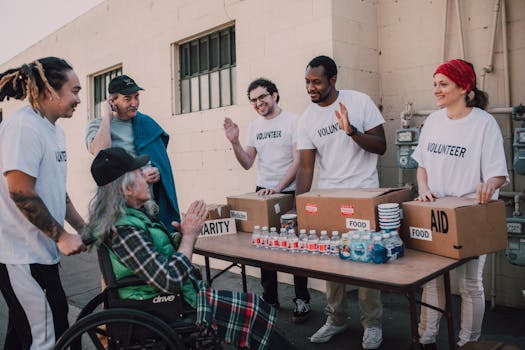 Photo: RDNE Stock project / Pexels
 Photo: cottonbro studio / Pexels
 Photo: Max Fischer / Pexels
 Photo: Gustavo Fring / Pexels