
How to Find Local Animal Welfare Nonprofits Near You
find local animal welfare nonprofits

How to Find Local Animal Welfare Nonprofits Near You

Connect with compassionate organizations dedicated to animal well-being right in your community.

Start Your Search

Key Takeaways

  • ✓ Over 6.3 million companion animals enter U.S. shelters annually.
  • ✓ Approximately 3.1 million dogs and 3.2 million cats enter shelters each year.
  • ✓ Around 4.1 million shelter animals are adopted each year.
  • ✓ Nonprofits rely heavily on local volunteers and donations to operate.

How It Works

1
Identify Your Goals

Determine if you want to adopt, foster, volunteer, or donate. This clarity will help narrow down the types of nonprofits to seek.

2
Utilize Online Resources

Use search engines, national databases, and local community websites. Filter results by location and specific animal welfare services.

3
Vet Potential Organizations

Check their mission, transparency, reviews, and impact. Ensure they align with your values and operate ethically.

4
Engage Directly

Visit the facility if possible, attend events, or contact them directly. This personal interaction can provide invaluable insight.

Understanding the Landscape of Local Animal Welfare Organizations
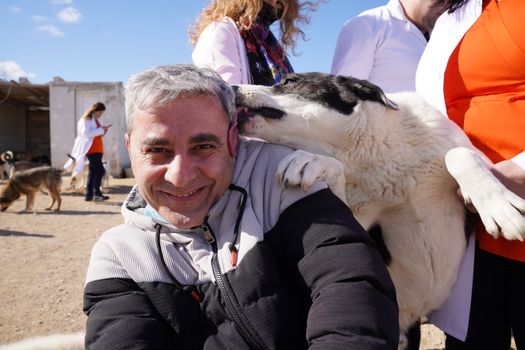
A joyful moment captured of a man being licked by a dog outdoors in a sunny setting, showcasing human-animal bond. Photo: Tahir Xəlfəquliyev / Pexels
The world of animal welfare is vast and varied, encompassing a multitude of organizations, each with unique missions and approaches. When you set out to find local animal welfare nonprofits, it's crucial to understand the different types of entities you might encounter. This understanding will not only help you pinpoint the best fit for your specific interests – be it adoption, volunteering, or donation – but also ensure your efforts are directed towards organizations that resonate with your values. At the forefront are traditional animal shelters, often government-run or privately funded, which provide temporary housing, food, medical care, and adoption services for lost, abandoned, or surrendered animals. These facilities are usually the first point of contact for stray animals and are vital community resources. Beyond shelters, you'll discover a rich ecosystem of rescue groups. Unlike shelters, many rescue groups operate through networks of foster homes rather than a central facility. This model often allows for more individualized care and a deeper understanding of an animal's personality in a home environment before adoption. These groups frequently specialize in certain breeds, species (e.g., cat-specific, bird-specific), or animals with special needs, such as seniors or those requiring extensive medical treatment. Their dedication to specific niches means they often have profound expertise and resources for those particular animals. Furthermore, there are organizations focused on specific aspects of animal welfare that extend beyond direct care. This includes advocacy groups that lobby for stronger animal protection laws, humane education programs that teach responsible pet ownership, and spay/neuter clinics that combat pet overpopulation. Wildlife rehabilitation centers also fall under the broader animal welfare umbrella, focusing on rescuing, treating, and releasing injured or orphaned wild animals. Each type of organization plays a critical role in the overall well-being of animals in a community. Understanding these distinctions is the first step in effectively navigating the landscape and choosing where to direct your support. For those looking to support a broader cause, learning about how nonprofits work can provide valuable context. Identifying the specific type of animal welfare work that most appeals to you will greatly streamline your search and enhance the impact of your involvement.

Effective Strategies to Find Local Animal Welfare Nonprofits

Individual typing on a laptop outdoors with snow, accessing the internet. Photo: Firmbee.com / Pexels
Finding the right local animal welfare nonprofit can feel like searching for a needle in a haystack, especially in larger metropolitan areas where options abound. However, with a structured approach, you can efficiently locate organizations that align with your goals. The most accessible starting point is often a simple online search. Using precise keywords like "animal shelter [your city/county]", "cat rescue [your state]", or "volunteer animal [your zip code]" will yield a wealth of initial results. Google Maps can also be an invaluable tool, allowing you to visually identify nearby facilities and read reviews from other community members. Beyond general search engines, specialized directories and national databases are powerful resources. Websites like Petfinder and Adopt-a-Pet.com allow you to search for adoptable animals by location, but they also list the shelters and rescue groups working in those areas. The ASPCA (American Society for the Prevention of Cruelty to Animals) and the Humane Society of the United States (HSUS) both offer directories or resources that can help you locate local affiliates or partner organizations. These national bodies often have extensive networks and can point you towards reputable local entities. Don't underestimate the power of local community resources. Your local veterinarian's office is an excellent source of information; they often work closely with local rescues and shelters and can provide recommendations based on their professional experience. Pet supply stores frequently have bulletin boards with information about local adoption events, volunteer opportunities, and contact details for nearby nonprofits. Local community centers, libraries, and even social media groups dedicated to your town or city can also be great places to ask for recommendations or find out about upcoming animal welfare events. Attending local pet expos or adoption fairs is another fantastic way to meet representatives from various organizations face-to-face, allowing you to ask questions and get a firsthand feel for their mission and operations. By combining online research with local networking, you can build a comprehensive list of potential organizations to engage with.

Evaluating and Engaging with Animal Welfare Nonprofits
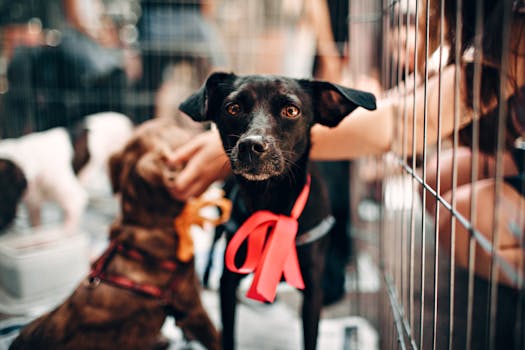
Cute black dog with red ribbon in animal shelter, symbolizing hope and rescue. Photo: Helena Lopes / Pexels
Once you have identified a few potential local animal welfare nonprofits, the next critical step is to thoroughly evaluate them to ensure they are reputable, effective, and align with your personal values. Not all organizations are created equal, and due diligence is essential, especially when you're considering donating your time, money, or offering a home to an animal. Start by visiting their website. A professional, informative website that clearly outlines their mission, vision, programs, and financial transparency is a good sign. Look for detailed 'About Us' sections, annual reports, and information on their board of directors and staff. Transparency in operations and finances is a hallmark of a trustworthy nonprofit. Websites like Charity Navigator, GuideStar, and GreatNonprofits provide independent ratings and reviews of charities, offering insights into their financial health, accountability, and impact. These platforms can be incredibly useful for verifying an organization's legitimacy and effectiveness. Beyond online research, direct engagement is invaluable. If possible, visit the facility during open hours. Observe the cleanliness of the environment, the demeanor of the staff and volunteers, and the condition of the animals. Do the animals appear well-cared for, comfortable, and socialized? Are staff members knowledgeable and willing to answer questions openly? Pay attention to their adoption processes – reputable organizations typically have thorough screening procedures to ensure animals go to suitable homes, which is a sign of their commitment to the animals' long-term welfare. If you're considering volunteering, inquire about their training programs and expectations for volunteers. For those interested in donating, ask about how funds are allocated and what specific programs your donation would support. Don't hesitate to ask for references or testimonials from other volunteers or adopters. Understanding the impact of your donation can further solidify your decision. Engaging directly allows you to assess their operational integrity and ensure your support will genuinely benefit the animals they serve.

Maximizing Your Impact: Tips for Supporting Local Animal Welfare

Person holding a sign reading 'Volunteers Needed' to encourage community support. Photo: Julia M Cameron / Pexels
Supporting local animal welfare nonprofits goes beyond simply donating money or adopting a pet; there are numerous ways to make a significant and lasting impact. **Tips for Maximizing Your Impact:** * **Volunteer Your Time:** This is one of the most direct ways to help. Shelters and rescues always need assistance with animal care (feeding, cleaning, walking), administrative tasks, event planning, and even transportation. Your skills, whatever they may be, can be incredibly valuable. * **Foster Animals:** If you have the space and time, fostering provides a temporary home for animals, freeing up kennel space, reducing stress on the animal, and allowing them to decompress in a home environment. This is especially crucial for puppies, kittens, senior animals, or those recovering from illness. * **Donate Strategically:** While monetary donations are always welcome, consider in-kind donations. Shelters often need blankets, towels, food, toys, cleaning supplies, and office supplies. Check their 'wish list' on their website or call them directly to see what they most urgently need. Sometimes, a specific item can be more valuable than a small cash donation. * **Spread Awareness:** Use your social media platforms to share adoptable pets, promote fundraising events, or educate your network about responsible pet ownership. Word-of-mouth is powerful in the nonprofit world. * **Advocate:** Support local legislation that protects animals, attend town hall meetings, or write to your representatives. Advocacy can lead to systemic changes that benefit countless animals. * **Attend Events:** Participate in fundraisers, adoption events, and community outreach programs. These events not only raise money but also increase visibility for the organization and its mission. * **Consider Planned Giving:** For those looking to make a long-term impact, consider including an animal welfare nonprofit in your will or estate planning. By diversifying your support and engaging in multiple ways, you can ensure your efforts create the most positive change for animals in your community.

Comparison

FeatureLarge Local ShelterSmall Local RescueNational Affiliate
Animal VolumeHighLow to MediumMedium to High
SpecializationGeneralOften Breed/Species SpecificGeneral, with local focus
Volunteer NeedsDiverse & OngoingSpecific & Hands-OnVaries by local branch
Adoption ProcessStandardizedOften More PersonalizedStandardized, varies locally
Funding SourcesPublic/Private Grants, DonationsDonations, FundraisersNational & Local Donations
Direct Animal Contact✗ (mostly administrative)

What Readers Say

"I used this guide to find local animal welfare nonprofits in my area, and it led me to a fantastic cat rescue. Their detailed vetting process for adopters was impressive, and I felt confident bringing my new feline friend home. Highly recommend for anyone looking to connect with reputable organizations."

Sarah J. · Austin, TX

"Finding a place to volunteer with animals was made so much easier. The tips on evaluating organizations helped me pick a transparent and effective dog shelter. I'm now a regular dog walker there, and it's incredibly rewarding."

Mark D. · Denver, CO

"Thanks to these strategies, I discovered a local nonprofit that specializes in senior pet adoption. I was able to foster and eventually adopt a sweet older dog who needed a quiet home. It truly helped me find the perfect match."

Emily R. · Portland, OR

"The information provided was very thorough, especially the section on types of organizations. While some of the directories listed were a bit broad, it still gave me a solid starting point to find local animal welfare nonprofits that needed foster parents for puppies. It was mostly helpful."

David L. · Miami, FL

"As someone new to the city, I wasn't sure where to start to find local animal welfare nonprofits to donate to. This guide clarified the different types of organizations and how to vet them, ensuring my donation went to a well-run and impactful cause."

Jessica M. · Chicago, IL

Frequently Asked Questions

What's the best way to find local animal welfare nonprofits quickly?

The quickest way is to use online search engines with specific keywords like 'animal shelter [your city]' or 'pet rescue [your zip code]'. Additionally, national databases like Petfinder and Adopt-a-Pet.com allow you to search for local organizations by location, providing a comprehensive list of nearby options and their contact information.

How can I ensure an animal welfare nonprofit is legitimate and effective?

To ensure legitimacy, check their transparency (look for annual reports, mission statements, and clear program descriptions on their website). Use independent charity evaluators like Charity Navigator or GuideStar for ratings. Visit their facility if possible, and observe the conditions and staff professionalism. Reputable organizations are open about their operations and impact.

Can I volunteer with local animal welfare nonprofits if I have no prior experience?

Absolutely! Most local animal welfare nonprofits welcome volunteers of all experience levels. They often provide training for specific tasks like animal handling, walking dogs, or assisting with adoption events. Many roles, such as administrative support or fundraising, don't require direct animal care experience at all. Just be enthusiastic and willing to learn!

What's the typical cost to adopt from a local animal welfare nonprofit?

Adoption fees vary widely but typically range from $50 to $500, depending on the animal's age, species, breed, and the organization. These fees usually cover essential services like spaying/neutering, vaccinations, microchipping, and initial vet checks, which often cost more than the adoption fee itself if done privately. It's an investment in your new pet's health and helps support the organization's mission.

What's the difference between an animal shelter and an animal rescue?

Animal shelters typically operate a physical facility and accept animals from the public or animal control. They often have open admission policies. Animal rescues, on the other hand, frequently operate through a network of foster homes rather than a central facility, often specializing in specific breeds or types of animals. Both aim to find animals permanent homes.

Who should consider fostering for a local animal welfare nonprofit?

Anyone with a stable home environment, time, and a desire to help animals in need should consider fostering. It's ideal for those who can provide temporary care, socialization, and a safe space for an animal before they find their forever home. Fostering is particularly beneficial for young, old, shy, or recovering animals who thrive outside a shelter environment.

Are there risks associated with donating to smaller, local animal welfare nonprofits?

While most small local nonprofits are legitimate and dedicated, the primary risk is sometimes less transparency or operational efficiency compared to larger organizations with more resources. It's crucial to do your due diligence: check their online presence, reviews, and if possible, visit in person. A well-run small nonprofit can be incredibly impactful and often has a very personal connection to the community.

What future trends might impact how we find and support local animal welfare nonprofits?

Future trends include increased use of AI for matching pets with adopters, more sophisticated online fundraising platforms, and a greater emphasis on community-based programs like pet retention services to prevent surrenders. Virtual volunteering and remote support roles may also become more prevalent, expanding opportunities for engagement regardless of physical proximity.

Ready to make a difference in the lives of animals? Use the strategies and resources outlined in this guide to find local animal welfare nonprofits that align with your passion. Whether you adopt, volunteer, or donate, your contribution is vital to creating a more compassionate community for all creatures.

Topics: find local animal welfare nonprofitsanimal rescue organizationspet adoption centers near meanimal shelters USsupport animal charities
Leo List

IE Escorts NO Escorts US Escorts NZ Escorts AU Escorts
Brampton weed
Adultwork EstrelaBet Vai de Bet R7 Bet Betão Galera Bet Rainbet Bet9ja Shop SportyBet BetKing Sisal Loto Foot Hollywoodbets YesPlay Odibets RushBet Jugabet BetWarrior BetCity MSport betPawa Fortebet