
Top Fundraising Ideas for Small Nonprofits: Boost Your Mission

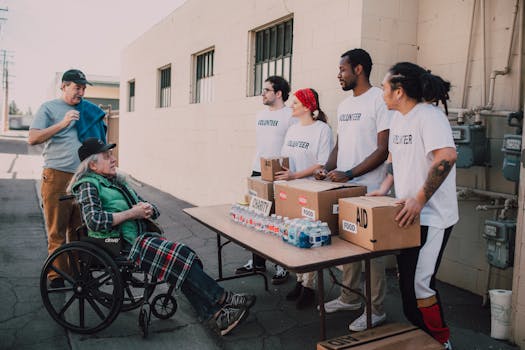
Volunteers assist a senior adult in a wheelchair by distributing aid packages outdoors.Photo: RDNE Stock project / Pexels

Top Fundraising Ideas for Small Nonprofits: Boost Your Mission

Unlock innovative and practical strategies to fund your vital work and connect deeply with your supporters.

Explore Ideas Now

Key Takeaways

  • ✓ Small nonprofits often rely heavily on individual donors and community events.
  • ✓ Digital fundraising tools are becoming indispensable for organizations of all sizes.
  • ✓ Storytelling is a powerful, low-cost method to engage potential donors.
  • ✓ Volunteer engagement can significantly reduce fundraising costs and increase reach.

How It Works

1
Assess Your Resources & Goals

Before launching any initiative, evaluate your team's capacity, available budget, and specific fundraising targets. This foundational step ensures you select realistic and impactful strategies.

2
Choose Diverse Strategies

Don't put all your eggs in one basket. Select a mix of online, in-person, and recurring donation methods to appeal to a wider donor base and ensure consistent income.

3
Craft Compelling Stories

People connect with impact. Develop clear narratives showcasing how donations directly benefit your cause, using testimonials, photos, and tangible outcomes to inspire generosity.

4
Engage & Thank Your Donors

Fundraising isn't a one-time transaction. Cultivate relationships through regular communication, personalized thank-yous, and updates on your progress to foster long-term support.

Leveraging Digital Platforms for Small Nonprofit Fundraising

A group of diverse volunteers engaging in a community service activity outdoors, providing aid and support.Photo: RDNE Stock project / Pexels
For small nonprofits, the digital landscape offers an unparalleled opportunity to reach a broader audience, engage new donors, and streamline fundraising efforts without the hefty overhead associated with traditional methods. The key is to strategically select platforms and approaches that align with your organization's capacity and target demographic. One of the most effective digital fundraising ideas for small nonprofits is optimizing your website for donations. This means having a clear, prominent 'Donate' button, an easy-to-use donation form, and compelling content that articulates your mission and impact. Ensure your donation page is mobile-friendly, as a significant portion of online giving now occurs on smartphones and tablets. Platforms like PayPal, Stripe, and specialized nonprofit donation processors offer secure and efficient ways to accept online payments, often with competitive processing fees. Beyond your website, social media serves as a powerful tool for storytelling and direct appeals. Platforms like Facebook, Instagram, and Twitter allow you to share updates, success stories, and calls to action. Consider running targeted social media campaigns around specific events or needs. For instance, a 'Giving Tuesday' campaign can leverage the global generosity movement. Utilizing features like Facebook's built-in fundraising tools or Instagram's donation stickers can simplify the giving process for your followers. Video content, even short, amateur-produced clips, can be incredibly engaging, showcasing your work in action and putting a human face to your cause. Live streams of events or Q&A sessions with your leadership can also foster a sense of community and transparency. Email marketing remains a cornerstone of digital fundraising. Building an email list through your website, events, or social media offers a direct line of communication to your supporters. Regular newsletters can keep donors informed about your progress, upcoming initiatives, and specific funding needs. Personalize your emails whenever possible, addressing donors by name and segmenting your list based on their interests or giving history. A well-crafted email appeal can be highly effective, especially when tied to a specific campaign or urgent need. Remember to include clear calls to action and direct links to your donation page. Crowdfunding platforms like GoFundMe, Classy, or Donorbox can also be excellent resources for small nonprofits looking to raise funds for specific projects or general operating expenses. These platforms provide built-in tools for campaign creation, promotion, and donor management. They often have a built-in audience, and their shareable nature can help your campaign go viral. When using crowdfunding, focus on creating a compelling story with clear goals and regular updates to keep your donors engaged and encourage further sharing. The power of digital lies in its accessibility and ability to connect with individuals who might otherwise never encounter your mission. By thoughtfully integrating these digital strategies, even the smallest nonprofit can significantly expand its fundraising reach and impact. Don't forget to leverage nonprofit software solutions that can help manage these diverse efforts efficiently.

Engaging Your Community Through Creative Fundraising Events

Volunteers assist a senior adult in a wheelchair by distributing aid packages outdoors.Photo: RDNE Stock project / Pexels
Community engagement is often the lifeblood of small nonprofits, providing not only crucial financial support but also volunteer power, awareness, and a sense of shared purpose. Creative fundraising events can be a fantastic way to bring people together, celebrate your mission, and raise vital funds. The key is to think beyond the traditional gala dinner and explore ideas that resonate with your local community and reflect your organization's unique personality. One popular and often low-cost option is a 'challenge' event. This could be a sponsored walk, run, bike ride, or even a 'read-a-thon' or 'game-a-thon' where participants raise money by achieving a personal goal. These events encourage participation from all ages and fitness levels and can be easily promoted through local schools, community centers, and social media. Another idea is a 'skills-based' event, where community members offer their talents for a cause. This could be a 'bake-off' competition, an art show with silent auction, a talent show, or a workshop series (e.g., gardening, crafting, coding) where a portion of the proceeds goes to your nonprofit. These events leverage local talent and provide unique experiences for participants. Consider partnerships with local businesses. A 'dine and donate' event with a local restaurant, where a percentage of sales on a specific day goes to your cause, is a classic and effective strategy. Local breweries, coffee shops, or retail stores might also be open to similar arrangements or hosting small events like open mic nights or trivia contests. These partnerships offer mutual benefits: your nonprofit gains funds and visibility, and the business gains positive publicity and increased foot traffic. Hosting a 'community market' or 'craft fair' can also be a successful venture. Invite local artisans, food vendors, and small businesses to set up stalls, charging a small vendor fee or taking a percentage of sales. This creates a vibrant community gathering while generating revenue for your organization. You can also incorporate elements like a silent auction, raffle, or a 'donate what you can' entrance fee. Remember to make your events fun, engaging, and directly tied to your mission. Share stories of impact during the event, display photos, and have volunteers available to talk about your work. Clear branding, enthusiastic volunteers, and effective promotion are crucial for success. Post-event, be sure to thank all participants, sponsors, and volunteers profusely and share the impact their contributions will make. These events not only raise money but also build a stronger, more engaged community around your cause, laying the groundwork for future support.

Building Sustainable Funding Through Donor Cultivation & Grants

Open spiral notebook with pink breast cancer awareness ribbon on a pink background, offering copy space.Photo: Tara Winstead / Pexels
While events and digital campaigns provide immediate boosts, sustainable funding for small nonprofits often comes from cultivating long-term donor relationships and strategically pursuing grants. Donor cultivation is an ongoing process of identifying, engaging, soliciting, and stewarding supporters, transforming one-time donors into committed advocates. It's about building a community of loyal supporters who believe in your mission and are invested in your success. Start by segmenting your donor base. Who are your most loyal supporters? Who has given consistently? Who has given the largest amounts? Tailor your communication to these different groups. Personalized thank-you letters, phone calls, or even small, thoughtful gifts can make a huge difference in making donors feel appreciated and valued. Provide regular updates on your progress, sharing success stories and demonstrating the tangible impact of their contributions. Transparency is key; show donors exactly how their money is being used. Consider establishing a recurring giving program, often called a 'monthly donor' program. Even small monthly contributions can add up significantly over time and provide a predictable income stream. Highlight the benefits of recurring giving, such as spreading out donations, reducing administrative costs, and providing consistent support that allows your organization to plan more effectively. Make it easy to sign up on your website and promote it regularly in your communications. Grant writing is another critical avenue for sustainable funding, especially for small nonprofits with specific project needs. While it can seem daunting, numerous foundations and government agencies offer grants specifically for smaller organizations. Begin by researching potential funders whose missions align with yours. Use online databases like Foundation Directory Online or GrantStation, or even your local community foundation, to identify suitable opportunities. When applying for grants, meticulous attention to detail is paramount. Clearly articulate your organization's mission, the problem you're addressing, your proposed solution, the expected impact, and a detailed budget. Strong storytelling, backed by data and testimonials, is crucial. Don't be afraid to reach out to program officers at foundations with questions before submitting an application; this can provide valuable insights and demonstrate your proactive engagement. Even if you don't secure a grant immediately, the process of researching and writing can help refine your mission, goals, and program descriptions, which benefits all your fundraising efforts. Remember, a diversified funding strategy, combining individual donors, community engagement, and strategic grants, is the most robust path to long-term sustainability for any successful nonprofit organization.

Common Fundraising Mistakes & How to Avoid Them

Woman holding a charity sale sign in a studio setting.Photo: Max Fischer / Pexels
Even with the best intentions, small nonprofits can stumble into common fundraising pitfalls that hinder their progress. Recognizing these mistakes and proactively working to avoid them is crucial for maximizing your fundraising potential. One of the most frequent errors is a **lack of diversification in fundraising channels**. Relying too heavily on one or two methods – whether it's a single annual event or just online appeals – leaves your organization vulnerable. If that one method underperforms, your entire budget can be jeopardized. The solution is to implement a mixed strategy, combining individual giving, grants, events, and corporate partnerships. This creates a more stable and resilient funding base. Another significant mistake is **failing to properly thank and steward donors**. Many nonprofits focus heavily on the 'ask' but neglect the 'thank you' and subsequent engagement. Donors are not ATMs; they are partners in your mission. A prompt, personalized thank-you is essential, followed by regular updates on impact. Without proper stewardship, donors are less likely to give again. **Poor storytelling** is another common misstep. Donors give to impact, not to overhead. If your appeals are generic or focus too much on your organization's internal needs rather than the beneficiaries and the positive change you create, you'll struggle to connect. Learn to craft compelling narratives that highlight specific individuals or communities your work helps, showing the tangible outcomes of a donation. Use photos, videos, and testimonials to bring your stories to life. **Not having a clear fundraising plan or budget** can lead to chaotic, reactive fundraising. Without a strategic plan outlining goals, timelines, and resource allocation, efforts can be scattered and inefficient. Develop a detailed fundraising plan that aligns with your overall organizational goals and includes a realistic budget for each initiative. Finally, **underestimating the power of volunteers** is a missed opportunity. Volunteers are not just free labor; they are passionate advocates who can extend your reach, reduce costs, and bring diverse skills to your fundraising efforts. Engage them in planning, promoting, and executing events. Empower them to be ambassadors for your cause. By avoiding these common mistakes, small nonprofits can build more effective, sustainable, and impactful fundraising programs. * **Key Takeaways to Avoid Mistakes:** * Diversify your fundraising strategies. * Prioritize donor stewardship and gratitude. * Master the art of impact-driven storytelling. * Develop a clear, comprehensive fundraising plan. * Leverage and empower your volunteer base.

Comparison

FeatureOnline CrowdfundingCommunity EventGrant WritingMonthly Donor Program
Initial CostLowMediumLow (time)Low
Reach PotentialHigh (global)Medium (local)Medium (specific)Medium (existing donors)
Effort LevelMediumHighHighLow-Medium
SustainabilityLow (campaign-based)Medium (recurring)High (project-based)High (predictable)
Donor EngagementMediumHighLow (institutional)High (personal)
Best ForSpecific projectLocal awarenessLarge projectsConsistent revenue

What Our Readers Say

5 ★★★★★

"These fundraising ideas for small nonprofits completely revitalized our outreach. The emphasis on digital tools made a huge difference in our 'Giving Tuesday' campaign, surpassing our goals by 150%!"

5 ★★★★★

"As a small environmental charity, we struggle with resources. This guide provided practical, actionable advice on community events that led to our most successful fundraiser yet. Highly recommend!"

5 ★★★★★

"We implemented the donor stewardship strategies, and within six months, our donor retention rate improved by 25%. This article truly understands the challenges small nonprofits face."

4 ★★★★☆

"While many ideas were excellent, I'd love to see even more specific examples for very niche causes. However, the overall framework for diversifying funding streams was invaluable for our arts organization."

5 ★★★★★

"Our animal rescue relied too much on one annual event. This article helped us diversify into online campaigns and a monthly giving program, creating much-needed financial stability."

Frequently Asked Questions

What are the most effective fundraising ideas for small nonprofits with limited budgets?
For small nonprofits with limited budgets, focus on low-cost, high-impact strategies. These include optimizing your website for online donations, leveraging social media for storytelling and direct appeals, organizing community challenge events (like sponsored walks), and forming partnerships with local businesses for 'dine and donate' nights. Email marketing is also highly cost-effective for engaging existing supporters.
How can a small nonprofit attract new donors without a large marketing budget?
Attracting new donors without a large marketing budget relies on authentic storytelling, strong community engagement, and leveraging existing networks. Share compelling impact stories through social media and local media outlets. Organize accessible community events that draw new participants. Encourage current supporters to become ambassadors and share your mission within their networks. Partnering with local businesses can also introduce your cause to their customer base.
What is the best way to get started with grant writing for a small nonprofit?
To get started with grant writing, begin by thoroughly researching foundations and government agencies whose missions align with yours. Utilize online databases or your local community foundation for identification. Start with smaller, local grants to build experience. Develop a strong 'case for support' that clearly articulates your problem, solution, impact, and budget. Consider attending grant writing workshops or seeking mentorship to refine your skills.
Are online fundraising platforms worth the fees for small nonprofits?
Yes, online fundraising platforms are generally worth the fees for small nonprofits. While they do charge transaction fees (typically 2-5%), they provide essential tools for secure payment processing, campaign management, donor data collection, and often built-in promotion. The convenience and professional appearance they offer can significantly increase your donation conversions and reach, outweighing the cost, especially compared to the administrative burden of manual processing.
How often should a small nonprofit communicate with its donors?
A small nonprofit should communicate with its donors regularly but thoughtfully. Aim for a balance that keeps them informed and engaged without overwhelming them. A good rhythm might include a monthly or quarterly newsletter, immediate thank-you messages after donations, and specific appeals tied to campaigns or urgent needs. Always prioritize sharing impact stories and expressing gratitude to foster long-term relationships.
Who should be responsible for fundraising within a small nonprofit?
In a small nonprofit, fundraising responsibilities are often shared. The Executive Director typically leads strategy and major donor cultivation. Board members should actively participate in networking and giving. A dedicated staff member or a highly engaged volunteer might manage campaigns and grant writing. Ultimately, everyone involved in the organization, including volunteers, can play a role in advocating and raising awareness.
What are the biggest risks to small nonprofit fundraising efforts?
The biggest risks include over-reliance on a single funding source, poor donor stewardship leading to high attrition, lack of a clear fundraising strategy, and failing to effectively communicate impact. Economic downturns and changes in donor preferences also pose risks. Mitigating these involves diversification, strong relationship building, strategic planning, and adaptive communication.
What future fundraising trends should small nonprofits be aware of?
Small nonprofits should pay attention to the rise of mobile giving, personalized donor experiences, peer-to-peer fundraising, and the increasing importance of transparency and impact reporting. The shift towards younger demographics often means engaging through digital channels, influencer partnerships, and cause-related marketing. Embracing technology and adapting to new communication methods will be key for future success.

Ready to transform your nonprofit's financial future? Explore these diverse fundraising ideas for small nonprofits and start implementing the strategies that will best amplify your mission and impact today. Your vital work deserves sustainable support!

Topics: fundraising ideas for small nonprofitsnonprofit fundraising strategiessmall charity fundraisingcommunity fundraising eventsdonor engagement for nonprofits
Leo List
Brampton weed
Adultwork