✓ Most new nonprofits struggle with initial funding due to lack of established donor base.
✓ A clear mission and strong case for support are crucial for attracting early donors.
✓ Diversifying funding sources from the outset mitigates risk and promotes sustainability.
✓ Building relationships is more important than transactional asks for new organizations.
How It Works
1
Define Your Case for Support
Clearly articulate your nonprofit's mission, vision, and the specific problem it addresses. This forms the bedrock of all your fundraising appeals.
2
Identify Your Initial Donor Pool
Look to your immediate network – friends, family, and professional contacts. These 'seed' donors are often the first to believe in and support your cause.
3
Craft Compelling Outreach
Develop personalized appeals that tell your story and clearly explain how a donor's contribution will make a tangible difference. Authenticity resonates deeply.
4
Cultivate Relationships & Steward Donors
Fundraising is not a one-time transaction; it's about building lasting relationships. Thank donors promptly and show them the impact of their generosity.
Establishing Your Foundation: The Core of New Nonprofit Fundraising
Photo: Kampus Production / Pexels
Launching a new nonprofit is an exhilarating, yet challenging, endeavor. While passion for your cause is abundant, securing the financial resources to turn your vision into reality is often the steepest hurdle. Understanding the fundamentals of nonprofit operations and fundraising from the very beginning is not just beneficial, it's absolutely essential for long-term success. Many new organizations make the mistake of jumping straight into asking for money without first laying a robust foundation. This foundational work involves several critical components that will serve as the bedrock for all your future fundraising efforts.
First and foremost, you must clearly define your mission, vision, and values. These aren't just abstract statements; they are the guiding principles that articulate *why* your organization exists and *what* it aims to achieve. A clear mission statement succinctly describes your purpose and the problem you're addressing. Your vision statement paints a picture of the future you aspire to create, and your values define the ethical framework within which you operate. These statements must be compelling, concise, and easy for anyone to understand. They are your organization's North Star, guiding every decision and every appeal.
Following this, developing a strong 'case for support' is paramount. This isn't just a brochure; it's a persuasive narrative that explains the need your nonprofit addresses, the specific solutions you offer, and the impact your work will have. It should clearly outline the problem, your proposed solution, the benefits to the community or individuals you serve, and how a donor's contribution will directly contribute to achieving these outcomes. Think of it as your organization's story – one that inspires belief and action. It needs to be emotional, logical, and evidence-based. This document will be your primary tool for communicating with potential donors, volunteers, and partners, serving as the core message across all your communication channels.
Furthermore, before you even consider making an ask, it’s vital to ensure your nonprofit is legally established and compliant. This includes obtaining 501(c)(3) status from the IRS, which allows donations to be tax-deductible – a significant incentive for many donors. Navigating the legal landscape can be complex, and it's often wise to seek legal counsel specializing in nonprofit law. Without this official recognition, your fundraising efforts will be severely hampered. Donors, especially institutional ones, will require proof of your tax-exempt status. Building your board of directors is another critical early step. Your board members should not only provide governance but also bring diverse skills, networks, and a shared commitment to your mission. An active and engaged board can be your first and most powerful fundraising engine, leveraging their personal and professional connections to secure initial support. Their enthusiasm and belief in the cause are infectious and can open doors that would otherwise remain closed. Establishing clear policies and procedures for financial management and accountability from day one is also crucial. Transparency builds trust, and trust is the currency of fundraising. Without these fundamental elements in place, your efforts to secure funding will be akin to building a house without a foundation: unstable and prone to collapse. Focusing on these foundational steps ensures that when you do begin to actively fundraise, you are doing so from a position of strength, credibility, and clear purpose, ready to inspire confidence in your nascent organization. Understanding effective nonprofit governance is key to maintaining donor trust.
Unlocking Initial Capital: Strategies for Early Fundraising Success
Photo: Gustavo Fring / Pexels
Once your foundational elements are firmly in place, the immediate next challenge for how to fundraise for a new nonprofit is to secure that crucial initial capital. This early funding is often referred to as 'seed money,' and it's what allows you to move from planning to execution. Unlike established nonprofits with years of donor history, you're starting from scratch, meaning your strategies must be tailored to building trust and demonstrating potential impact with limited track record. The good news is that there are proven strategies specifically designed for new organizations looking to kickstart their fundraising.
Your first and most accessible donor pool will likely be your 'warm network.' This includes friends, family, colleagues, and acquaintances who already know and trust you. These individuals are often willing to make a leap of faith based on their relationship with you and their belief in your vision, even if your organization is brand new. Don't underestimate the power of these personal connections. Approach them with a clear, concise explanation of your mission, your goals, and how their early support can make a monumental difference. A personal ask, whether face-to-face, via a personalized email, or even a handwritten letter, is far more effective than a generic mass appeal at this stage. Emphasize that their early contribution isn't just a donation; it's an investment in a nascent organization that has the potential to create significant change.
Beyond your immediate network, consider hosting small, intimate fundraising events. These could be 'friend-raisers' or 'house parties' where you invite a small group of potential donors to learn more about your cause in a relaxed setting. These events provide an opportunity to share your story in person, answer questions, and build personal connections. The goal isn't necessarily to raise a large sum of money from each individual, but rather to cultivate a group of early champions who will not only donate but also advocate for your organization within their own networks. Make sure to have compelling visuals, a concise presentation, and clear ways for people to get involved or donate on the spot.
Crowdfunding platforms can also be a powerful tool for new nonprofits. Websites like GoFundMe, Kickstarter (for specific projects), or dedicated nonprofit platforms allow you to reach a wider audience and engage many small donors. The key to a successful crowdfunding campaign is a compelling story, clear fundraising goals, and consistent promotion across social media and personal networks. Visual content, such as a short video explaining your mission, can significantly boost engagement. Remember, crowdfunding isn't a 'set it and forget it' strategy; it requires active management and promotion to reach its full potential. It also helps validate your mission, showing broader public interest and support.
Finally, don't overlook the potential of small grants from local community foundations or corporate giving programs that specifically support new or emerging organizations. While larger grants often require a proven track record, some smaller foundations are willing to take a chance on innovative new initiatives. Research thoroughly to identify foundations whose mission aligns closely with yours and whose grant requirements are manageable for a new organization. Even a small grant can provide vital operating funds and add credibility to your organization, demonstrating that external entities recognize your value and potential. Securing these initial funds is about being strategic, personal, and persistent, laying the groundwork for sustainable growth.
Building Sustainable Support: Cultivation, Stewardship, and Diversification
Photo: Andrea Piacquadio / Pexels
Successfully navigating how to fundraise for a new nonprofit extends far beyond securing initial seed money; it’s about establishing long-term financial stability. This requires a strategic approach to donor cultivation, meticulous stewardship, and thoughtful diversification of your funding streams. Many new organizations make the mistake of focusing solely on the 'ask' without understanding that fundraising is fundamentally about building and nurturing relationships. Sustainable funding comes from donors who feel connected to your mission and see the tangible impact of their contributions over time.
Donor cultivation is the process of building relationships with potential and existing donors, moving them from awareness to interest, then to engagement, and finally to making a gift. For a new nonprofit, this often starts with identifying individuals who have shown even a casual interest in your cause. Invite them to learn more, attend an informational meeting, or volunteer for a small task. Share updates on your progress, even before asking for money. The goal is to build trust and demonstrate your organization's effectiveness and integrity. This isn't about immediate transactions; it's about fostering a genuine connection and shared purpose. Personalize your communications as much as possible, showing that you understand their interests and values.
Effective donor stewardship is equally critical. Once someone makes a donation, your work isn't done – it’s just beginning. Prompt, heartfelt, and personalized thank-you notes are non-negotiable. Go beyond a generic receipt; explain how their specific contribution will be used and the impact it will have. Share stories of those you serve, highlighting the difference their generosity makes. Regular, informative updates – through newsletters, impact reports, or personal emails – keep donors engaged and informed about your progress. Invite them to events, offer volunteer opportunities, and solicit their feedback. Donors who feel appreciated and informed are far more likely to become repeat donors and even advocates for your cause. This continuous cycle of gratitude and impact reporting reinforces their decision to support you and strengthens their loyalty to your organization. Showing appreciation and demonstrating impact are cornerstones of strong donor retention strategies.
Diversifying your funding sources is a crucial strategy for long-term sustainability. Relying too heavily on one type of donor or funding stream can leave your organization vulnerable. For a new nonprofit, this means gradually expanding beyond individual donations. Explore opportunities for corporate sponsorships, which can provide significant funding in exchange for brand visibility or employee engagement opportunities. Research local and national foundations that align with your mission; while larger grants may come later, building relationships with program officers can open doors for future funding. Consider earned income strategies, where appropriate, such as selling merchandise related to your mission or charging for services that align with your goals. Even small amounts from diverse sources add up and create a more resilient financial model.
Finally, embrace technology to streamline your fundraising efforts. A robust donor management system (DMS) can help you track donor information, communication history, and giving patterns, making cultivation and stewardship more efficient and personalized. Online donation platforms simplify the giving process for your supporters. Social media can be a powerful tool for storytelling, engaging new audiences, and driving traffic to your donation pages. By strategically cultivating relationships, stewarding your donors with care, and diversifying your funding, you can transition from initial funding to a sustainable financial model that supports your mission for years to come.
Avoiding Common Pitfalls and Maximizing Your Fundraising Potential
Photo: Mikhail Nilov / Pexels
As you embark on the journey of how to fundraise for a new nonprofit, being aware of common pitfalls can save you significant time, effort, and potential disappointment. Proactively addressing these challenges will maximize your fundraising potential and set your organization on a path to success.
**Common Pitfalls to Avoid:**
* **Lack of a Clear Story:** Without a compelling narrative that articulates your mission, impact, and need, donors will struggle to connect with your cause. Avoid jargon and focus on human-centered stories.
* **Underestimating the Time Commitment:** Fundraising is not a part-time job. It requires consistent effort, relationship building, and strategic planning. Many new leaders burn out because they underestimate this.
* **Focusing Only on the 'Ask':** As discussed, fundraising is about relationships. A transactional approach alienates potential long-term supporters. Invest in cultivation and stewardship.
* **Ignoring Data and Tracking:** Failing to track donor interactions, donation amounts, and communication preferences means missed opportunities for personalized outreach and effective stewardship. A simple spreadsheet can start, but a DMS is better.
* **Inadequate Financial Transparency:** Donors, especially institutional ones, demand to know how their money is being used. Be prepared to provide clear financial statements and demonstrate responsible stewardship of funds.
* **Over-reliance on a Single Funding Source:** Putting all your eggs in one basket (e.g., relying solely on grants or one major donor) creates extreme vulnerability. Diversify early and often.
* **Neglecting Your Board's Role:** A disengaged board is a missed opportunity. Your board members should be ambassadors, connectors, and fundraisers themselves.
**Tips for Maximizing Your Potential:**
* **Start Small, Think Big:** Don't wait for the perfect major donor. Celebrate every small donation as a step towards your larger vision. Every dollar counts, and every donor matters.
* **Embrace Storytelling:** Use compelling stories, photos, and videos to illustrate the impact of your work. People give to people and causes they believe in, not just statistics.
* **Build a Strong Online Presence:** A professional website, active social media channels, and an easy-to-use online donation system are non-negotiable in today's digital age.
* **Network Relentlessly:** Attend community events, join local chambers of commerce, and connect with other nonprofit leaders. Every connection is a potential donor, volunteer, or advocate.
* **Seek Mentorship:** Connect with experienced nonprofit leaders or fundraising professionals. Their insights can be invaluable in navigating challenges and identifying opportunities.
* **Invest in Your Team (Even if it's Just You):** Learn about fundraising best practices, attend webinars, and read books. The more knowledgeable you are, the more effective your efforts will be.
* **Show Gratitude Constantly:** A sincere thank you goes a long way. Make every donor feel valued, no matter the size of their contribution.
* **Measure and Adapt:** Regularly review your fundraising results. What's working? What isn't? Be willing to adjust your strategies based on data and feedback.
By avoiding these common missteps and implementing these proactive strategies, your new nonprofit can build a strong, sustainable fundraising program that fuels your mission and creates lasting impact in the community you serve.
Comparison
Feature
Personal Networks
Crowdfunding
Small Grants
Corporate Giving
Initial Setup
Low
Medium
High
Medium
Speed to Fund
Fast
Medium
Slow
Medium
Donor Reach
Limited
Wide
Targeted
Targeted
Relationship Building
High
Medium
Medium
High
Required Track Record
Low
Low
Medium
Medium
Tax Deductibility for Donor
✓
✓
N/A (grant)
✓
Sustainability Potential
Medium
Low
High
High
What Readers Say
★★★★★
"This guide was a lifeline for our fledgling arts nonprofit. The advice on cultivating initial donors through our personal networks was incredibly effective, helping us secure our first $10,000 for programming."
Sarah Chen · Austin, TX
★★★★★
"As someone completely new to the nonprofit world, I found the breakdown of building a 'case for support' invaluable. It gave me the confidence to clearly articulate our mission and attract early supporters."
Mark Johnson · Seattle, WA
★★★★★
"Following the steps on donor stewardship helped us retain 70% of our first-time donors in our second year. The emphasis on genuine appreciation truly makes a difference in how to fundraise for a new nonprofit."
Dr. Anya Sharma · Boston, MA
★★★★★
"While the guide is excellent for initial fundraising, I'd love to see even more detail on scaling up corporate partnerships. Still, it laid a fantastic groundwork for our environmental initiative."
David Lee · Chicago, IL
★★★★★
"The section on avoiding common pitfalls was a wake-up call! It helped us course-correct our strategy early on, particularly regarding diversifying funding, which is crucial for our community development work."
Maria Rodriguez · Miami, FL
Frequently Asked Questions
What is the very first step to fundraise for a new nonprofit?
The very first step is to clearly define your nonprofit's mission, vision, and core values. This foundational clarity is essential for developing a compelling case for support and communicating your purpose effectively to potential donors. Without it, your fundraising efforts will lack direction and persuasive power.
Is it possible to fundraise without 501(c)(3) status?
While technically possible to solicit funds, it's highly advisable to secure 501(c)(3) status first. Without it, donations are not tax-deductible for donors, which significantly reduces incentive, especially for larger gifts. Most foundations and corporations require this status before considering grant applications.
How do I make my fundraising appeals stand out when I have no track record?
Focus on storytelling that highlights the problem you're addressing and the *potential* impact of your solution. Emphasize the passion and expertise of your founders and board. Share compelling data about the need and paint a vivid picture of the future you aim to create. Personalize your appeals, especially to your warm network, to leverage existing trust.
What are the typical initial costs associated with starting fundraising for a new nonprofit?
Initial costs can include legal fees for 501(c)(3) application, website development, basic marketing materials (brochures, business cards), and potentially a donor management system subscription. While some costs can be deferred or done pro-bono, budgeting for these essentials is important for a professional launch.
Should I focus on many small donations or a few large ones for a new nonprofit?
For a new nonprofit, a balanced approach is best. Start by leveraging your personal network for smaller, foundational gifts to build momentum and demonstrate early support. Simultaneously, identify potential major donors within your extended network and begin cultivating those relationships, as a few larger gifts can provide significant initial capital.
Who should be involved in fundraising efforts for a new nonprofit?
Initially, the founders and the board of directors should be heavily involved. Their passion, networks, and leadership are critical. As the organization grows, you might bring on fundraising volunteers or even a dedicated development staff member, but the core leadership always plays a vital role in setting the fundraising culture.
What are the risks of relying too heavily on volunteer fundraisers?
While volunteers are invaluable, relying solely on them for fundraising can lead to inconsistency, lack of professional expertise, and burnout. Volunteers often have limited time and may not have the specialized skills for donor research, grant writing, or major gift solicitation. It's crucial to provide training and support, and to eventually invest in professional staff for sustained growth.
How can technology assist a new nonprofit in its fundraising efforts?
Technology is crucial. A simple website with an online donation portal is a must. Social media can amplify your message and reach new audiences. A basic donor management system helps track donor data and communication. Email marketing platforms facilitate regular updates and appeals. These tools streamline processes and extend your reach efficiently.
Ready to transform your vision into impact? Mastering how to fundraise for a new nonprofit is the cornerstone of your journey. Implement these strategies, build strong relationships, and secure the vital funding needed to bring your mission to life and create lasting change.

 Photo: Kampus Production / Pexels
 Photo: Gustavo Fring / Pexels
 Photo: Andrea Piacquadio / Pexels
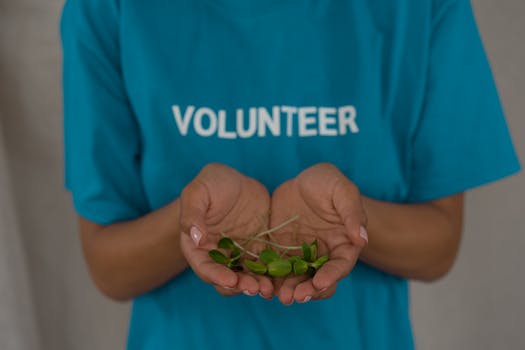 Photo: Mikhail Nilov / Pexels