How to Fundraise for a Nonprofit: Your Ultimate Guide
July 29, 2026 17 min read 3,339 words
Master the art of nonprofit fundraising to secure the resources needed to achieve your organization's impactful mission.
Start Fundraising Smarter
Understanding the Landscape of Nonprofit Fundraising Strategies
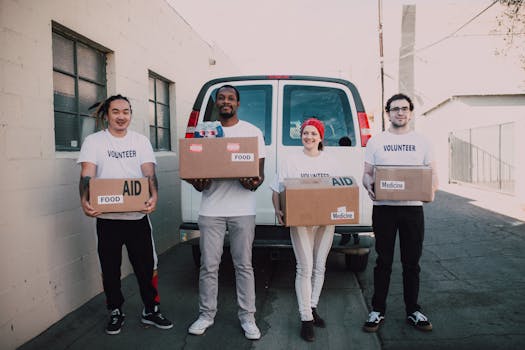 Photo: RDNE Stock project / Pexels
For any nonprofit organization, the ability to consistently generate funds is not merely an operational necessity; it is the lifeblood that allows its mission to thrive and its impact to grow. Understanding how to fundraise for a nonprofit effectively requires a comprehensive grasp of various strategies, each suited to different circumstances, donor types, and organizational capacities. This isn't a one-size-fits-all endeavor; rather, it’s a dynamic process of identifying, cultivating, and stewarding relationships.
At its core, nonprofit fundraising is about building connections and inspiring generosity. It begins with a clear articulation of your organization's mission, vision, and the tangible impact it creates. Donors, whether individuals, corporations, or foundations, want to know that their contributions will make a real difference. Therefore, your messaging must be compelling, authentic, and consistently reinforced across all communication channels. Transparency about how funds are utilized and the results achieved builds trust, which is paramount in securing ongoing support.
One of the foundational elements of a robust fundraising program is diversification. Relying on a single funding stream, such as government grants or individual donations, can leave an organization vulnerable to economic shifts or policy changes. A diversified approach might include a mix of individual giving (major donors, annual appeals, planned giving), institutional giving (grants from foundations and corporations), earned income (program fees, merchandise sales), and special events. Each of these streams requires a distinct strategy and often, different skill sets within your team.
Individual giving, for instance, often forms the bedrock for many nonprofits. This category encompasses everything from small, recurring donations to significant major gifts. Cultivating individual donors involves identifying prospects, engaging them through personalized outreach, and demonstrating the impact of their giving. A strong donor relations program, which prioritizes gratitude and regular updates, is crucial for retaining these supporters. Understanding donor motivations – whether it's a passion for the cause, a desire to leave a legacy, or a connection to a specific program – allows for more tailored and effective solicitations. Many organizations find success by segmenting their donor base and developing unique communication plans for each group, from first-time givers to long-term supporters.
Learn more about effective donor stewardship.
Institutional giving, primarily grants, requires a different approach. Grant writing is a specialized skill that involves researching potential funders whose priorities align with your mission, meticulously crafting proposals, and adhering to strict reporting requirements. It's a highly competitive field, and success often hinges on demonstrating a clear need, a well-defined project plan, measurable outcomes, and the capacity of your organization to execute. Building relationships with program officers at foundations can also be invaluable, providing insights into their funding priorities and increasing your chances of success. Corporations, on the other hand, might be interested in sponsorships, employee matching programs, or cause-related marketing initiatives that align with their corporate social responsibility goals. These partnerships can offer significant financial support while also enhancing the company's public image.
Finally, special events, while often labor-intensive, can serve multiple purposes: raising funds, increasing visibility, and engaging new and existing supporters. From galas and auctions to fun runs and community festivals, events provide opportunities for direct interaction and can generate excitement around your cause. However, it's essential to carefully calculate the return on investment for events, ensuring that the net revenue justifies the resources expended. Integrating technology, such as online ticketing and donation platforms, can significantly streamline event management and increase reach. A well-planned event can not only bring in donations but also serve as a powerful platform for storytelling and community building, reinforcing why people choose to support your mission.
Building a Robust Donor Engagement and Cultivation Program
 Photo: Towfiqu barbhuiya / Pexels
The success of how to fundraise for a nonprofit hinges not just on asking for money, but on building enduring relationships with those who believe in your cause. A robust donor engagement and cultivation program is the engine that drives sustainable fundraising. It's a continuous cycle of identification, qualification, cultivation, solicitation, and stewardship, focused on transforming casual supporters into dedicated advocates.
Effective donor engagement begins with understanding your audience. This means moving beyond generic appeals and delving into what motivates different segments of your donor base. Data analytics can play a pivotal role here, helping you identify patterns in giving, preferred communication methods, and specific program interests. For example, a donor who consistently gives to your environmental initiatives might respond better to an appeal focused on conservation efforts, rather than a general organizational update. Personalization is key; even small gestures, like addressing a donor by name and referencing their past contributions, can significantly enhance their feeling of connection.
Cultivation is the process of nurturing relationships with potential and existing donors over time, before making a direct solicitation. This involves a variety of touchpoints designed to deepen their understanding of your work and their connection to your mission. This could include invitations to informational events, tours of your facilities, personalized updates on program successes, or even one-on-one meetings with key staff or board members. The goal is not to ask for money during this phase, but to share your story, demonstrate impact, and build trust. Think of it as dating before proposing; you need to establish a strong foundation of mutual respect and shared values.
Communication is at the heart of cultivation. Regular, meaningful communication keeps your organization top-of-mind and reinforces the value of your work. This can take many forms: compelling newsletters, impactful annual reports, engaging social media content, personalized emails, and handwritten thank-you notes. Each piece of communication should reinforce your mission and the tangible results you achieve, making the donor feel like an integral part of your success. Storytelling is an incredibly powerful tool here. Instead of just presenting statistics, share narratives of the individuals, communities, or environments your organization has positively impacted. These stories create an emotional resonance that data alone often cannot achieve.
When it comes to solicitation, the 'ask' itself, timing and appropriateness are critical. A well-cultivated donor will be more receptive to an appeal because they understand your needs and trust your organization. The ask should be clear, specific, and tied directly to the impact their donation will have. For major donors, a personalized proposal outlining how their significant gift will achieve a specific outcome is often most effective. For broader appeals, clear calls to action and easy-to-use donation platforms are essential. Technology, such as CRM systems, can help track donor interactions, manage cultivation pipelines, and automate personalized communications, ensuring no donor falls through the cracks.
Finally, stewardship – the act of thanking and recognizing donors – is perhaps the most critical component of donor retention. A prompt, sincere thank you is non-negotiable. Beyond that, demonstrating the impact of their gift through regular updates and reports reinforces their decision to support you. Recognizing donors publicly (with their permission) or through exclusive events can also strengthen their loyalty. The ultimate goal is to move donors up the ladder of engagement, from one-time givers to recurring donors, to major donors, and eventually, to planned giving supporters who leave a legacy. By investing in a comprehensive donor engagement and cultivation program, nonprofits can ensure a steady, reliable stream of funding for years to come.
Leveraging Digital Tools and Storytelling for Fundraising Success
 Photo: RDNE Stock project / Pexels
In today's interconnected world, understanding how to fundraise for a nonprofit effectively means embracing digital tools and mastering the art of storytelling. The digital landscape offers unprecedented opportunities to reach broader audiences, engage with donors in new ways, and streamline fundraising operations. From social media campaigns to sophisticated online donation platforms, technology has revolutionized how nonprofits connect with supporters and secure vital funds.
Online fundraising platforms are now indispensable. Websites like Classy, DonorPerfect, or even integrated solutions within CRM systems provide secure, user-friendly ways for donors to contribute. These platforms often support various giving options, including one-time gifts, recurring donations, peer-to-peer fundraising, and event registrations. Optimizing your donation page for mobile devices, ensuring a seamless user experience, and minimizing the number of clicks required to complete a donation are critical best practices that can significantly increase conversion rates. Integrating these platforms with your communication strategy allows for immediate thank-yous and automated follow-up, enhancing donor experience and paving the way for future engagement.
Social media is another powerful digital channel for fundraising, particularly for raising awareness and driving traffic to your donation pages. Platforms like Facebook, Instagram, Twitter, and LinkedIn allow nonprofits to share their stories, engage with followers, and launch targeted campaigns. Visual content – compelling photos and short videos – performs exceptionally well, conveying emotional impact quickly. Utilizing features like Facebook Fundraisers, Instagram Donation Stickers, or LinkedIn's nonprofit tools can directly facilitate giving. However, merely posting is not enough; active engagement, responding to comments, and building a community around your cause are essential for maximizing social media's fundraising potential.
Explore more about digital marketing for nonprofits.
Email marketing remains one of the most cost-effective fundraising tools. Building a robust email list and segmenting it based on donor behavior, interests, and giving history allows for highly personalized and effective appeals. Well-crafted email campaigns can educate subscribers about your mission, share success stories, announce events, and make direct asks. A strong subject line, clear call to action, and mobile-responsive design are crucial for email campaign success. A/B testing different elements, from subject lines to images, can help optimize your emails for better open and click-through rates.
Beyond tools, effective storytelling is the bridge that connects your mission to a donor's heart. In a crowded digital space, stories cut through the noise. Donors are not just giving to an organization; they are investing in change, in hope, in impact. Your stories should illustrate this impact vividly. Show, don't just tell. Instead of saying, "We provide meals for the homeless," share the story of an individual whose life was transformed by receiving a meal and subsequent support services. Use photos, videos, and testimonials to bring these stories to life. Ensure your stories are authentic, respectful, and highlight the positive change your organization facilitates.
Finally, analytics and data play a crucial role in optimizing digital fundraising efforts. Tracking website traffic, donation page conversion rates, email open rates, social media engagement, and donor demographics provides invaluable insights. This data allows you to understand what's working, what's not, and where to allocate your resources most effectively. By continuously analyzing performance and adapting your strategies, nonprofits can refine their digital fundraising approach, ensuring greater efficiency and higher returns on investment. The digital landscape is constantly evolving, making continuous learning and adaptation key to sustained fundraising success.
Top Tips for Sustainable Nonprofit Fundraising and Avoiding Common Pitfalls
 Photo: Ann H / Pexels
Achieving sustainable fundraising for a nonprofit requires more than just reacting to immediate needs; it demands strategic planning, continuous effort, and a commitment to best practices. Here are essential tips for long-term success and common pitfalls to sidestep:
**Tips for Sustainable Fundraising:**
* **Cultivate a Culture of Philanthropy:** Ensure everyone in your organization, from board members to volunteers, understands and champions the importance of fundraising. Board members, in particular, should be actively involved in identifying prospects, making introductions, and even making personal asks. Their passion and commitment are infectious.
* **Prioritize Donor Retention:** It costs significantly more to acquire a new donor than to retain an existing one. Focus on building strong, lasting relationships through consistent communication, genuine appreciation, and demonstrating impact. A high donor retention rate is a hallmark of a healthy fundraising program.
* **Invest in Professional Development:** Fundraising is a specialized field. Invest in training for your staff and volunteers on areas like grant writing, major gift solicitation, donor stewardship, and digital fundraising trends. Staying current with best practices ensures your strategies remain effective.
* **Diversify Your Funding Streams:** As discussed earlier, never put all your eggs in one basket. Explore a mix of individual giving, grants, corporate sponsorships, earned income, and planned giving to create a resilient financial foundation.
* **Embrace Technology and Data:** Use CRM software to manage donor information, track interactions, and segment your donor base. Leverage analytics to understand donor behavior and optimize your fundraising campaigns. Technology streamlines processes and allows for more personalized outreach.
* **Tell Impactful Stories:** Move beyond facts and figures. Share compelling narratives of how your organization changes lives, communities, or environments. Emotional connection drives generosity. Train your team to collect and share these stories ethically and effectively.
* **Plan for the Long Term:** Develop a comprehensive fundraising plan that extends beyond the current fiscal year. Include goals, strategies for different funding streams, a timeline, and assigned responsibilities. Review and adapt this plan regularly.
**Common Fundraising Pitfalls to Avoid:**
* **Lack of Clear Vision and Mission:** If your organization's purpose and impact aren't crystal clear, donors won't understand what they're supporting. Vague messaging leads to disinterest.
* **Neglecting Donor Stewardship:** Failing to thank donors promptly and meaningfully, or not showing them the impact of their gift, is a surefire way to lose them. Treat every donor like a valuable partner.
* **Underestimating the Cost of Fundraising:** Fundraising itself requires resources – staff time, software, marketing materials, event costs. Don't operate with the misconception that fundraising should cost nothing. Invest wisely for greater returns.
* **Only Asking for Money:** While fundraising is about securing funds, every interaction shouldn't be a direct ask. Cultivation involves building relationships, sharing stories, and demonstrating value without constantly soliciting donations.
* **Ignoring Data and Feedback:** Relying on intuition alone can be detrimental. Pay attention to what your data tells you about donor preferences and campaign performance. Solicit feedback from donors and adapt your strategies accordingly.
* **Failure to Diversify:** Over-reliance on one funding source leaves your organization vulnerable. A sudden loss of a major grant or a drop in individual giving can jeopardize your entire operation.
* **Poor Communication and Transparency:** Donors expect honesty and transparency. Be clear about how funds are used, the challenges you face, and your successes. Lack of transparency erodes trust.
By proactively implementing these tips and consciously avoiding common pitfalls, nonprofits can build a fundraising program that is not only successful in the short term but also sustainable and resilient for years to come, ensuring their vital missions continue to be fulfilled.