
How to Write a Grant Proposal for Nonprofits: The Ultimate Guide
Master the art of crafting compelling grant proposals to secure essential funding for your nonprofit's mission.
Start Your Grant JourneyKey Takeaways
- ✓ Grant funding is a critical revenue stream for many nonprofits.
- ✓ A well-structured proposal is essential for securing grants.
- ✓ Thorough research of potential funders is the first vital step.
- ✓ Clear, concise, and compelling storytelling is key to a successful proposal.
How It Works
Begin by researching foundations and corporations whose missions align with your nonprofit's goals. This ensures you're targeting the right funding sources and increases your chances of success.
Carefully review each funder's specific requirements, eligibility criteria, and preferred proposal format. Adhering strictly to these guidelines is non-negotiable for consideration.
Systematically develop each section of your proposal, including the executive summary, problem statement, project description, budget, and evaluation plan. Each part must be clear, concise, and persuasive.
Before submission, thoroughly review and edit your entire proposal for clarity, grammar, and adherence to guidelines. Seek feedback from others to catch any errors and strengthen your message.
Understanding the Foundation of Grant Writing for Nonprofits
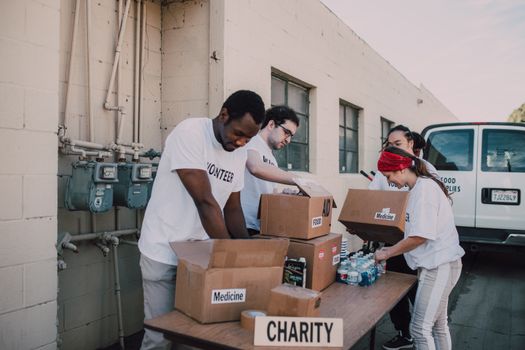 Photo: RDNE Stock project / Pexels
The Essential Steps to Crafting a Winning Grant Proposal
Structuring Your Proposal: Key Components and What Funders Seek
Common Mistakes to Avoid and Best Practices for Grant Success
Comparison
| Proposal Component | Funder's Key Interest | Common Mistake | Best Practice |
|---|---|---|---|
| Executive Summary | Overall project fit & impact | Too long, vague, or missing key info | Concise, compelling, one-page overview |
| Problem Statement | Clear, data-backed need | Lacks data, generalized, not specific | Quantify need with current, relevant data |
| Project Description | Specific activities & measurable outcomes | Vague goals, no clear methodology | SMART objectives, detailed activities |
| Budget | Financial responsibility & alignment | Unjustified costs, no narrative | Detailed, itemized, aligned with activities |
What Readers Say
"This guide on how to write a grant proposal for nonprofits was incredibly comprehensive. It demystified the process, giving our small team the confidence to apply for our first major grant. The step-by-step breakdown made it feel achievable."
Sarah Chen · Austin, TX"We'd been struggling with grant rejections for years. This article highlighted crucial mistakes we were making, especially in tailoring proposals. Following its advice led to us securing a significant grant for our youth program!"
Mark Johnson · Denver, CO"The focus on funder research and relationship-building in this guide was a game-changer. We connected with a program officer thanks to their tips, which provided invaluable insight and ultimately resulted in a $50,000 grant award."
Maria Rodriguez · Miami, FL"While very thorough, the sheer volume of information on how to write a grant proposal for nonprofits can be a bit overwhelming for absolute beginners. However, the actionable advice and structure provided are top-notch, leading to much clearer proposals."
David Lee · Seattle, WA"As a new grant writer for an environmental nonprofit, this resource was invaluable. It helped me understand not just the 'how' but also the 'why' behind each proposal component, making my writing much more persuasive and effective."
Jessica Brown · Chicago, ILFrequently Asked Questions
What is the most important part of a grant proposal for nonprofits?
While all parts are crucial, the Executive Summary is arguably the most important. It's often the first, and sometimes only, section a funder reads to decide if your proposal warrants further review. It must succinctly and compellingly summarize your entire request, problem, solution, and impact.
How long does it typically take to write a grant proposal?
The time required varies significantly depending on the complexity of the grant, the funder's requirements, and your organization's readiness. For a major grant, expect to dedicate anywhere from 40 to 100+ hours, encompassing research, writing, budget development, internal reviews, and gathering attachments. Starting early is key.
How do I find suitable grant opportunities for my nonprofit?
Begin by utilizing online databases like Foundation Directory Online (Candid), GrantStation, or Grants.gov (for federal grants). Also, research local community foundations, corporate giving programs, and state arts or humanities councils. Look for funders whose mission and priorities align closely with your nonprofit's work.
Is it worth hiring a professional grant writer?
For many nonprofits, especially those new to grants or with limited internal capacity, hiring a professional grant writer can be a valuable investment. They bring expertise, efficiency, and a higher success rate. However, ensure they understand your mission deeply and consider a fee structure based on hourly rates or project fees, not a percentage of awarded grants, which is unethical in the grant writing profession.
What's the difference between a grant proposal and a letter of inquiry (LOI)?
An LOI is a brief, usually 1-3 page, letter to a funder introducing your organization and project, seeking an invitation to submit a full proposal. It's a preliminary step to gauge interest. A full grant proposal is a comprehensive document detailing all aspects of your project, typically submitted only after an invitation or when specifically requested by the funder.
Who should write the grant proposal within a nonprofit?
Ideally, grant proposals are a collaborative effort. While a dedicated grant writer or development staff member might lead the writing, input from program staff (for project details), finance (for budget), and leadership (for strategic alignment) is crucial. A team approach ensures accuracy and comprehensive representation of the project.
Are there ethical considerations in grant writing?
Absolutely. Honesty and transparency are paramount. Never misrepresent your organization's capacity, project details, or financial needs. Avoid applying for grants that don't genuinely align with your mission. Additionally, professional grant writers should not work on a commission basis (a percentage of the grant awarded), as this is considered unethical by professional associations like the Grant Professionals Association.
How are grant trends evolving for nonprofits?
Current grant trends show an increased focus on measurable impact, diversity, equity, and inclusion (DEI), collaborative initiatives, and innovative solutions. Funders are also increasingly interested in how nonprofits leverage technology, demonstrate sustainability plans beyond the grant period, and engage community voice in their program design and evaluation.
Mastering how to write a grant proposal for nonprofits is an essential skill for sustainable impact. By following this comprehensive guide, your organization can craft compelling narratives, secure vital funding, and continue making a profound difference in the communities you serve. Start empowering your mission today by applying these expert strategies.