Boost Impact: Nonprofit Consulting Services US

Two young volunteers holding potted plants, promoting environmental awareness.Photo: Mikhail Nilov / Pexels

Boost Impact: Nonprofit Consulting Services US

Unlock your organization's full potential with tailored strategies and expert guidance from leading US nonprofit consultants.

Find Your Consultant

Key Takeaways

  • ✓ Over 1.8 million nonprofits operate in the US, contributing significantly to the economy and society.
  • ✓ Nonprofit consulting services often lead to a 20-30% increase in fundraising efficiency.
  • ✓ Strategic planning is the most requested consulting service by US nonprofits.
  • ✓ Effective governance consulting can reduce operational risks by up to 40%.

How It Works

1
Initial Assessment & Discovery

Consultants begin by thoroughly understanding your nonprofit's mission, current challenges, and long-term goals. This involves data review, stakeholder interviews, and an analysis of existing operational frameworks.

2
Strategy Development & Planning

Based on the assessment, a customized strategic plan is co-created with your team. This plan outlines specific objectives, key performance indicators (KPIs), and actionable steps to achieve desired outcomes.

3
Implementation & Support

Consultants assist in the execution of the strategic plan, providing guidance, training, and resources. This phase ensures smooth integration of new processes and sustained momentum towards goals.

4
Evaluation & Sustainment

Progress is regularly monitored and evaluated against established KPIs, with adjustments made as needed. The focus shifts to building internal capacity to maintain improvements long after the consulting engagement concludes.

Understanding the Value of Nonprofit Consulting Services in the US
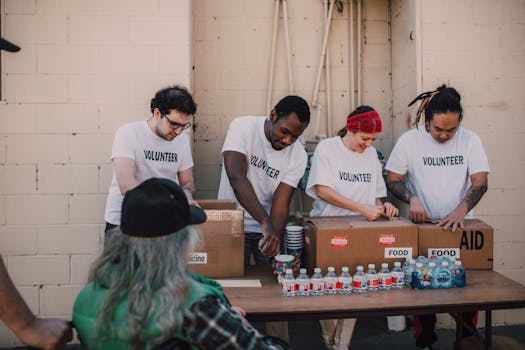
Group of volunteers organizing and distributing aid packages and bottled water outdoors.Photo: RDNE Stock project / Pexels
The landscape for nonprofit organizations in the United States is dynamic, complex, and increasingly competitive. While driven by mission and passion, nonprofits face unique challenges ranging from securing sustainable funding and navigating intricate regulatory environments to optimizing operational efficiency and demonstrating measurable impact. This is where specialized nonprofit consulting services US become not just beneficial, but often essential for sustained growth and success. These services offer an external, objective perspective, bringing a wealth of expertise, best practices, and innovative strategies that might not be available internally. Consultants act as temporary, high-impact additions to your team, providing strategic guidance, operational improvements, and capacity building that empower your organization to achieve its mission more effectively. One of the primary values of engaging nonprofit consulting services lies in their ability to provide specialized knowledge across various domains. Whether your organization needs help with developing a robust fundraising strategy, enhancing board governance, improving program evaluation, or undergoing a major organizational change, consultants bring deep subject matter expertise. For instance, a consultant specializing in grant writing can identify funding opportunities and craft compelling proposals that internal staff might overlook or lack the time to pursue. Similarly, an expert in strategic planning can facilitate a comprehensive process that aligns all stakeholders, sets clear objectives, and creates a roadmap for the future, avoiding common pitfalls that often derail internal planning efforts. This external expertise can be particularly crucial for smaller or mid-sized nonprofits that may not have the resources to hire full-time specialists for every critical function. Furthermore, consultants offer an invaluable external perspective, free from internal biases and historical constraints. They can objectively assess current operations, identify inefficiencies, and pinpoint areas for improvement that long-term employees might be too close to see. This fresh pair of eyes can uncover root causes of recurring problems, challenge existing assumptions, and introduce novel approaches that lead to significant breakthroughs. For example, a consultant might recommend a complete overhaul of a legacy donor management system, or suggest a new approach to volunteer engagement, based on industry best practices they've seen succeed elsewhere. This objectivity is critical for making tough decisions and implementing changes that are truly in the best interest of the organization's long-term health and mission fulfillment. Engaging with nonprofit consultants also provides access to cutting-edge tools, methodologies, and benchmarks. Consultants are constantly exposed to a wide array of organizational structures, operational models, and technological solutions across different nonprofits. They can bring this aggregated knowledge directly to your organization, helping you adopt proven strategies and avoid costly experiments. This includes everything from implementing new CRM systems and designing effective impact measurement frameworks to developing robust risk management protocols. By leveraging this accumulated knowledge, nonprofits can accelerate their growth, enhance their impact, and ensure they remain competitive and relevant in a rapidly evolving sector. Ultimately, the investment in nonprofit consulting services is an investment in your organization's future, designed to build internal capacity, foster sustainable growth, and amplify your ability to serve your community and fulfill your mission.

Key Areas of Expertise in US Nonprofit Consulting

Woman holding a charity sale sign in a studio setting.Photo: Max Fischer / Pexels
Nonprofit consulting services in the US encompass a broad spectrum of specialized areas, each designed to address specific organizational needs and challenges. Understanding these key areas can help nonprofits identify precisely where external expertise can yield the most significant returns. One of the most frequently sought-after services is strategic planning. This involves guiding an organization through a comprehensive process of defining its mission, vision, values, and long-term goals. Consultants facilitate workshops, conduct environmental scans, engage stakeholders, and help craft actionable plans that align resources with strategic priorities. A well-executed strategic plan provides a clear roadmap for the future, ensuring all efforts contribute to the overarching mission and enabling the organization to adapt to changing external conditions. Another critical area is fundraising and development consulting. Securing sustainable financial resources is paramount for any nonprofit. Consultants in this field offer expertise in diverse aspects of fundraising, including capital campaigns, major donor cultivation, grant writing, corporate sponsorships, planned giving, and annual fund development. They can assess current fundraising strategies, identify untapped potential, develop compelling cases for support, and even provide interim fundraising leadership. Their experience in navigating the philanthropic landscape of the US, understanding donor motivations, and optimizing fundraising operations can dramatically increase an organization's financial stability and capacity to deliver programs. Organizational development and capacity building are also central to nonprofit consulting. This area focuses on strengthening the internal structures, processes, and human resources necessary for effective operation. Services might include board development, executive coaching, leadership training, succession planning, organizational assessments, and culture change initiatives. Strong governance, effective leadership, and a highly engaged staff are foundational to a nonprofit's success, and consultants can provide the frameworks and guidance to cultivate these essential elements. For example, board development consultants can help recruit diverse and skilled board members, define clear roles and responsibilities, and improve board meeting effectiveness, ensuring robust oversight and strategic direction. Program evaluation and impact measurement constitute another vital specialization. Nonprofits are increasingly required to demonstrate the tangible impact of their work to funders, beneficiaries, and the public. Consultants in this area help design robust evaluation frameworks, collect and analyze data, and report on outcomes. They can assist in developing logic models, identifying appropriate metrics, conducting beneficiary surveys, and performing rigorous impact assessments. This not only fulfills reporting requirements but also provides invaluable insights for program refinement and improvement, allowing nonprofits to maximize their positive social return on investment. The ability to clearly articulate and prove impact is a powerful tool for fundraising and advocacy. Finally, operational efficiency and technology consulting address the internal workings of a nonprofit. This can involve streamlining administrative processes, implementing new software solutions (e.g., CRM, accounting, project management), optimizing workflows, and improving data management. Consultants can conduct operational audits, identify bottlenecks, and recommend technology solutions that enhance productivity, reduce costs, and free up staff time to focus on mission-critical activities. In an era where technology is constantly evolving, having expert guidance on digital transformation is crucial for nonprofits to remain agile and effective. Each of these specialized areas contributes uniquely to the overall health and effectiveness of a nonprofit, making a compelling case for engaging targeted consulting expertise when specific challenges arise.

Choosing the Right Nonprofit Consulting Services for Your US Organization
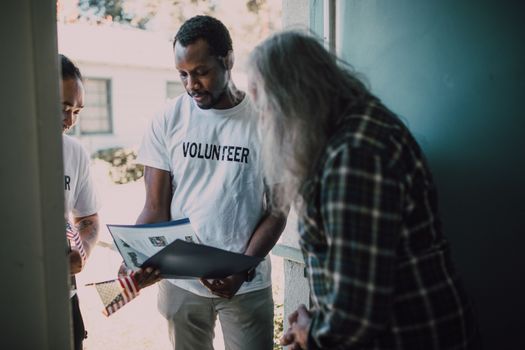
Volunteers visit a home to provide community support and discuss documents.Photo: RDNE Stock project / Pexels
Selecting the appropriate nonprofit consulting services in the US is a critical decision that can significantly influence your organization's trajectory. It's not merely about finding a consultant, but about finding the right partner whose expertise, values, and approach align with your specific needs and organizational culture. The first step in this process is to conduct a thorough internal assessment to clearly define your challenges and objectives. What specific problems are you trying to solve? Are you looking to increase fundraising, improve board effectiveness, develop a new strategic plan, or enhance program impact? Having a clear understanding of your needs will help you narrow down the field of potential consultants and articulate your expectations effectively. Once you have a clear picture of your needs, research potential consultants or firms. Look for those with demonstrated experience and a strong track record specifically within the nonprofit sector, and ideally, with organizations similar in size, mission, or geographic scope to yours. Review their case studies, client testimonials, and professional certifications. A consultant's previous success stories can provide valuable insights into their methodologies and the types of results they deliver. It's also beneficial to seek out consultants who have a deep understanding of the unique regulatory and philanthropic landscape of the US nonprofit sector, as this can significantly impact the relevance and effectiveness of their recommendations. Consider if they have experience navigating the complexities of IRS regulations for 501(c)(3) organizations, for instance, or familiarity with specific state-level funding opportunities. When evaluating potential consultants, pay close attention to their proposed methodology and communication style. A good consultant will not just tell you what to do but will work collaboratively with your team, fostering a sense of ownership and building internal capacity. They should offer a clear, structured approach to addressing your challenges, including timelines, deliverables, and measurable outcomes. Effective communication is paramount; ensure they are responsive, transparent, and capable of explaining complex concepts in an understandable way. Ask about their approach to change management and how they ensure the sustainability of their recommendations long after their engagement concludes. It's crucial that the solutions they propose are not just theoretical but practical and implementable within your organization's context and resource limitations. Finally, consider the financial investment and the return on investment (ROI). While cost is certainly a factor, focusing solely on the lowest bid can be a mistake. A more expensive consultant who delivers transformative results may ultimately be a better value than a cheaper one who provides superficial solutions. Request detailed proposals that outline fees, scope of work, and expected outcomes. Don't hesitate to ask for references and speak directly with their past clients to gain firsthand insights into their experience. A well-chosen consulting partner can provide invaluable guidance, accelerate your organization's growth, and significantly amplify your mission's impact, making the investment in expert advice a strategic move towards long-term sustainability and success.

Maximizing Impact: Tips for Successful Nonprofit Consulting Engagements

A diverse group of volunteers organizing and packing food donations at an indoor facility.Photo: cottonbro studio / Pexels
To ensure your investment in nonprofit consulting services in the US yields the greatest impact, several key strategies should be employed throughout the engagement. Firstly, clearly define the scope and objectives of the project before the consultant begins. A well-articulated Statement of Work (SOW) or contract that outlines deliverables, timelines, roles, and responsibilities for both the consulting firm and your organization is crucial. Ambiguity can lead to scope creep, budget overruns, and dissatisfaction. Be specific about what success looks like and how it will be measured. Secondly, commit to active internal participation. Consulting is a collaborative process, not a passive one. Your team members, from executive leadership to program staff, need to be actively engaged in providing information, participating in workshops, and implementing recommendations. Designate a primary point of contact within your organization who can facilitate communication, gather necessary data, and ensure internal buy-in. The consultant brings expertise, but your team brings institutional knowledge and the capacity for sustained change. Lack of internal commitment is one of the most common reasons consulting engagements fall short. Thirdly, foster open and honest communication. Create an environment where transparent feedback, questions, and concerns can be freely exchanged between your team and the consultants. Regular check-ins and progress reports are essential. If issues arise, address them promptly and constructively. This open dialogue ensures that the consultant's recommendations remain relevant and adaptable to any new information or evolving circumstances within your organization or the broader nonprofit landscape. Fourthly, focus on sustainability and capacity building. The goal of a successful consulting engagement is not just to solve an immediate problem, but to empower your organization to sustain the improvements and continue growing independently. Ask your consultant how they plan to transfer knowledge, train your staff, and build internal capabilities. This might involve developing new policies, creating training manuals, or implementing mentorship programs. The best consulting engagements leave your organization stronger and more self-sufficient, rather than creating a dependency on external expertise. Finally, be prepared for change. Consultants are brought in to identify areas for improvement, which often means challenging existing norms or proposing significant shifts in strategy or operations. Embrace this process with an open mind and a willingness to adapt. Change can be uncomfortable, but it is often necessary for growth and increased impact. By following these tips, US nonprofits can maximize the value derived from their consulting partnerships, leading to stronger organizations, enhanced missions, and ultimately, greater positive change in their communities.

Comparison

FeatureDedicated FirmIndependent ConsultantInternal Staff
Scope of ExpertiseBroad, multi-facetedDeep, specializedLimited to existing skills
CostHigher upfrontModerate, project-basedLowest direct cost
ObjectivityHigh external perspectiveHigh external perspectivePotentially biased
AvailabilityTeam-based, flexibleIndividual capacityDependent on workload
Capacity BuildingStrong, structuredGood, often mentorship-basedLimited by internal resources
Speed of Implementation
Access to Best Practices
Long-term Engagement

What Our Readers Say

5 ★★★★★

"Our experience with nonprofit consulting services in the US was transformative. They helped us restructure our fundraising efforts, leading to a 30% increase in donations within the first year. Their team truly understood our mission."

5 ★★★★★

"The strategic planning guidance we received was exceptional. The consultants facilitated a process that brought our diverse board together, resulting in a clear, actionable roadmap for our next five years. Highly recommend their nonprofit consulting services US."

5 ★★★★★

"We engaged a consultant for board development, and the results were immediate. Our board engagement and effectiveness improved dramatically, directly impacting our ability to secure a major grant we'd been pursuing for years."

4 ★★★★☆

"While the initial cost was a concern for our small organization, the long-term benefits of the operational efficiency recommendations far outweighed it. We're now much more streamlined, though the implementation took longer than expected."

5 ★★★★★

"As a new nonprofit, navigating the complexities of compliance and governance felt overwhelming. The nonprofit consulting services US provided expert guidance that set us up for success, ensuring we built a strong foundation from day one."

Frequently Asked Questions

What types of nonprofit organizations benefit most from consulting services?
Nonprofits of all sizes and missions can benefit, from small community-based organizations needing help with initial setup and fundraising to large national charities seeking strategic realignment or operational efficiency improvements. Consulting is particularly valuable during periods of growth, significant challenge, or organizational change.
Is nonprofit consulting a cost-effective solution for small organizations?
Yes, it can be highly cost-effective. While there's an upfront investment, the expertise gained can lead to significant returns in increased funding, improved efficiency, and stronger organizational health. Many consultants offer scaled services or project-based rates that can fit smaller budgets, focusing on high-impact areas.
How do I choose the best nonprofit consulting firm in the US?
Start by defining your specific needs, then research firms with relevant experience, strong testimonials, and a proven track record. Look for consultants who understand the US nonprofit landscape, offer clear methodologies, and prioritize collaborative, capacity-building approaches. Always request proposals and check references.
What is the typical duration of a nonprofit consulting engagement?
The duration varies widely depending on the scope and complexity of the project. A strategic planning engagement might last 3-6 months, while a capital campaign could span 12-24 months. Smaller projects like board training or a specific assessment might be completed in a few weeks or a single workshop.
How do nonprofit consulting services differ from general business consulting?
Nonprofit consulting services are specifically tailored to the unique mission-driven nature, governance structures, funding models, and regulatory environment of charitable organizations. Consultants understand the nuances of balancing social impact with financial sustainability, donor relations, and volunteer management, which are distinct from for-profit business objectives.
Who should use nonprofit consulting services US?
Any nonprofit looking to overcome specific challenges, achieve ambitious goals, enhance organizational capacity, or navigate periods of significant change should consider these services. This includes organizations seeking to boost fundraising, refine strategic direction, improve governance, or optimize program delivery and impact.
What are the risks of hiring a nonprofit consultant?
Risks include hiring a consultant whose expertise doesn't align with your needs, a lack of internal buy-in leading to failed implementation, or an engagement that doesn't build long-term internal capacity. Mitigate these by thorough vetting, clear communication, and ensuring a collaborative approach with a focus on knowledge transfer.
How will future trends impact nonprofit consulting services in the US?
Future trends will likely see increased demand for consulting in areas like digital transformation, data analytics for impact measurement, diversity, equity, and inclusion (DEI) initiatives, and innovative fundraising strategies. Consultants will need to stay agile and informed about evolving philanthropic landscapes and technological advancements.

Ready to amplify your mission and overcome your organization's biggest challenges? Explore the power of expert nonprofit consulting services US to unlock sustainable growth, maximize your impact, and build a stronger future for your cause. Connect with a trusted partner today.

Topics: nonprofit consulting services USnonprofit strategy consultingfundraising consulting nonprofitnonprofit capacity buildingnonprofit governance
Leo List