✓ Donor retention rates for nonprofits average around 45-48%.
✓ It costs significantly more to acquire a new donor than to retain an existing one.
✓ Personalized communication increases donor loyalty and giving by up to 25%.
✓ A robust CRM system is foundational for effective donor management.
How It Works
1
Identify & Segment Donors
Understand who your donors are, their giving history, and their interests. Segment them into groups for tailored communication strategies.
2
Cultivate Relationships
Engage donors beyond just asking for money. Share impact stories, invite participation, and show genuine appreciation to build lasting connections.
3
Strategize Communication
Develop a multi-channel communication plan that includes personalized emails, calls, and events. Ensure messages are relevant and timely for each donor segment.
4
Analyze & Adapt
Regularly review donor data, giving trends, and engagement metrics. Use these insights to refine your strategies and continuously improve your donor management.
The Foundation: Understanding Your Donors and Their Journey
Photo: Kindel Media / Pexels
Effective nonprofit donor management best practices begin with a profound understanding of your donors. It's not enough to simply collect their names and donation amounts; you need to delve into their motivations, preferences, and the journey they take with your organization. This holistic view allows you to move beyond transactional interactions to build meaningful, long-term relationships that are vital for sustainable fundraising.
Start by recognizing that every donor is unique. Some are driven by a personal connection to your cause, others by a desire to make a local impact, and still others by a commitment to social justice on a broader scale. Capturing this qualitative data, alongside quantitative giving history, is paramount. Implement a robust donor CRM (Constituent Relationship Management) system that goes beyond basic record-keeping. This system should be capable of tracking communication history, event attendance, volunteer hours, and even notes from personal interactions. This rich data set forms the bedrock of personalized engagement.
Segmentation is the natural next step once you have comprehensive donor profiles. Rather than sending generic appeals, divide your donor base into distinct groups based on criteria such as giving level (e.g., first-time donors, mid-level donors, major donors), giving frequency (e.g., monthly givers, annual donors), engagement type (e.g., volunteers, event attendees), and specific interests (e.g., education programs, environmental initiatives). Each segment will respond best to different messaging, channels, and calls to action. For instance, a first-time donor might appreciate an impact report showing how their initial contribution made a difference, while a long-term major donor might prefer an exclusive invitation to a program briefing or a personalized phone call from your executive director.
Understanding the donor journey means mapping out the various touchpoints a donor has with your organization, from initial awareness to sustained giving and even planned giving. This journey isn't linear; donors may move back and forth, engage in different ways, and have varying levels of commitment over time. Your donor management strategy must be flexible enough to accommodate these shifts. For example, a prospective donor might first encounter your organization through a social media post, then attend a free webinar, sign up for your newsletter, and finally make a small donation. Each step requires a different type of engagement and cultivation. By meticulously tracking and analyzing these journeys, you can identify potential roadblocks, optimize your outreach efforts, and ensure a seamless, positive experience for every individual. This proactive approach to understanding and segmenting your donor base is not just good practice; it's a strategic imperative for any nonprofit aiming for long-term financial stability and mission success. It allows for targeted, relevant communication that resonates deeply, fostering a sense of belonging and continued support. Without this foundational understanding, even the most well-intentioned fundraising efforts can fall flat, leading to missed opportunities and donor attrition. Learn more about effective nonprofit operations.
Cultivating Relationships: Beyond the Ask
Photo: Gustavo Fring / Pexels
The essence of nonprofit donor management best practices lies in cultivating genuine relationships, moving far beyond the transactional exchange of money for a cause. Donors are not ATMs; they are partners in your mission, and treating them as such is crucial for fostering loyalty and maximizing their long-term impact. This cultivation involves consistent, meaningful engagement that demonstrates appreciation, shares impact, and invites deeper involvement.
One of the most critical aspects of relationship building is expressing authentic gratitude. A prompt, personalized thank-you note or call immediately after a donation can significantly increase the likelihood of future giving. Go beyond a generic receipt. Mention the specific project their donation will support, or reiterate the profound impact their generosity will have. For major donors, a personal call or handwritten letter from a board member or the executive director can make a lasting impression. Regular expressions of gratitude, even outside of specific donation appeals, reinforce the donor's value to your organization.
Transparency and impact reporting are also vital. Donors want to know that their contributions are making a tangible difference. Regularly share stories, photos, and statistics that illustrate the impact of your work. This could be through an annual impact report, quarterly newsletters, social media updates, or dedicated donor-only communications. When donors see the direct results of their generosity, they feel more connected to your mission and more invested in its success. Make these reports accessible and engaging, avoiding overly technical jargon. Show, don't just tell, the transformation your organization is creating.
Inviting participation is another powerful way to cultivate relationships. Beyond asking for financial support, offer opportunities for donors to engage with your organization in other ways. This could include volunteering, attending events, joining advisory committees, or participating in advocacy campaigns. For example, a donor who is passionate about education might appreciate an invitation to observe a classroom or mentor a student. These opportunities deepen their understanding of your work and strengthen their emotional connection, often leading to increased financial support down the line. Creating a sense of community among your donors, perhaps through exclusive events or online forums, can further solidify these bonds.
Finally, remember that communication should be a two-way street. Actively listen to your donors. Solicit their feedback through surveys, informal conversations, or focus groups. Understand what motivates them, what concerns they might have, and how they prefer to be engaged. Responding thoughtfully to their inquiries and suggestions demonstrates that you value their input and see them as integral partners. This continuous dialogue helps you tailor your strategies and ensures that your donor management practices remain donor-centric. By consistently nurturing these relationships, you transform donors into advocates, creating a powerful network of support essential for achieving your mission. This long-term approach to donor cultivation is a cornerstone of sustainable fundraising.
Leveraging Technology and Data for Smarter Donor Engagement
Photo: RDNE Stock project / Pexels
In the modern nonprofit landscape, effective donor management best practices are inextricably linked to the intelligent use of technology and data. Relying solely on spreadsheets or ad-hoc communication methods is no longer sufficient to build and sustain a thriving donor base. A robust Donor Relationship Management (DRM) or CRM system is the central nervous system of any successful fundraising operation, enabling organizations to streamline processes, personalize interactions, and gain actionable insights.
Choosing the right CRM system is a critical decision. It should offer comprehensive functionalities beyond basic contact management, including donation tracking, communication logging, event management, volunteer management, and reporting capabilities. Integration with other tools, such as email marketing platforms, payment processors, and accounting software, is also crucial for creating a seamless operational workflow. Popular options like Salesforce for Nonprofits, Blackbaud Raiser's Edge NXT, Little Green Light, or Bloomerang offer varying features and price points, so it's essential to assess your organization's specific needs, budget, and technical capacity before making a choice. The goal is to have a single source of truth for all donor-related information, accessible to relevant team members, which eliminates silos and ensures consistent messaging.
Once implemented, the power of your CRM lies in its data. Regularly inputting and updating donor information is paramount. This includes not only contact details and giving history but also softer data points like preferred communication channels, areas of interest, past interactions (e.g., attended an event, volunteered for a project), and even personal notes from conversations. The more complete and accurate your data, the more effectively you can segment your audience and tailor your outreach. For instance, you can identify donors who consistently give to a specific program and then target them with updates and appeals related to that program, significantly increasing relevance and engagement.
Beyond data collection, analytics and reporting are vital for strategic decision-making. Your CRM should enable you to generate reports on key metrics such as donor retention rates, average gift size, donor acquisition cost, and lifetime value. Analyzing these trends allows you to identify what's working, what's not, and where to allocate your resources most effectively. For example, if your report shows a significant drop in first-time donor retention, it signals a need to refine your onboarding and cultivation strategy for new supporters. If a particular campaign yielded exceptional results, you can analyze its components to replicate that success. Data-driven insights empower you to move from guesswork to informed strategies, optimizing your fundraising efforts and maximizing your impact. Discover strategies for nonprofit growth.
Furthermore, technology facilitates personalized communication at scale. Automated email sequences can welcome new donors, send birthday greetings, or provide timely updates on specific projects. While automation is efficient, it's crucial to strike a balance with personalized, human touches, especially for mid-level and major donors. Use your CRM to identify these key individuals and ensure they receive individualized calls, handwritten notes, or invitations to exclusive events. By skillfully combining the efficiency of technology with the warmth of human connection, nonprofits can build robust, lasting relationships that fuel their mission for years to come.
Crucial Mistakes to Avoid in Donor Management
Photo: RDNE Stock project / Pexels
Even with the best intentions, nonprofits can sometimes fall into common pitfalls that hinder their donor management efforts. Recognizing and actively avoiding these mistakes is just as crucial as implementing best practices. Here are some critical errors to steer clear of:
* **Treating Donors as Transactions:** This is perhaps the most fundamental mistake. Viewing donors solely as sources of funds rather than partners in your mission leads to generic appeals, infrequent communication, and a lack of authentic relationship building. Donors will feel unappreciated and eventually disengage. Always prioritize building rapport and demonstrating impact over simply asking for money.
* **Poor Data Management:** A messy or incomplete donor database is a recipe for disaster. Duplicates, outdated contact information, lack of giving history, or missing communication logs prevent effective segmentation and personalization. This leads to sending irrelevant messages, mispronouncing names, or even soliciting donations from deceased individuals, all of which erode trust and professionalism. Invest in a good CRM and ensure consistent data entry and cleansing.
* **Lack of Personalization:** Generic mass emails and letters scream indifference. Donors want to feel seen and valued. Failing to personalize communications based on their giving history, interests, or engagement level is a missed opportunity to connect. Use their name, reference their past support, and tailor your messages to what you know about them.
* **Infrequent or Inconsistent Communication:** Silence is deadly in donor relationships. Donors need to be regularly informed about your work, the impact of their contributions, and upcoming opportunities. However, bombarding them with constant appeals without any cultivation or stewardship communication is equally detrimental. Develop a balanced communication plan that includes impact reports, thank-yous, updates, and occasional asks.
* **Not Saying 'Thank You' Properly (or at all):** This is a basic courtesy that is often overlooked or done poorly. A generic, automated thank-you note that feels like a receipt is insufficient. Timely, personalized, and heartfelt thank-yous are essential for retention. Express gratitude promptly and specifically, reiterating the difference their gift will make.
* **Ignoring Donor Feedback:** Whether it's through surveys, direct comments, or even unsubscribes, donor feedback provides invaluable insights. Failing to listen and adapt your strategies based on this feedback means you're operating in a vacuum, potentially missing opportunities to improve and strengthen relationships.
* **Focusing Only on New Donors:** While donor acquisition is important, neglecting existing donors is a costly error. It's significantly more expensive to acquire a new donor than to retain an existing one. Prioritize stewardship and cultivation efforts for your current supporters, as they are your most valuable asset and often the source of major gifts and planned giving.
* **Lack of Staff Training:** Even the best CRM system is useless if your team doesn't know how to use it effectively or understand the principles of donor-centric fundraising. Regular training for all staff involved in donor interactions, from frontline fundraisers to administrative support, ensures consistency and professionalism.
Avoiding these common missteps will lay a stronger foundation for implementing successful donor management best practices and ultimately lead to more sustainable fundraising and greater mission impact.
Comparison
Feature
Dedicated CRM System
Spreadsheets/Basic Databases
Email Marketing Platform (standalone)
Comprehensive Donor Profiles
✓ (Full 360-degree view)
✗ (Limited, often fragmented)
✗ (Focus on email data)
Donation Tracking & History
✓ (Automated, detailed)
✓ (Manual, prone to errors)
✗ (Requires manual integration)
Segmentation & Personalization
✓ (Advanced, automated)
✗ (Manual, time-consuming)
✓ (Basic email segmentation)
Communication History Logging
✓ (Centralized, searchable)
✗ (Scattered, hard to track)
✗ (Limited to email)
Reporting & Analytics
✓ (Robust, customizable)
✗ (Manual creation, limited insights)
✓ (Email campaign metrics only)
Event & Volunteer Management
✓ (Often integrated)
✗ (Separate systems needed)
✗ (Separate systems needed)
Automation Capabilities
✓ (Workflows, acknowledgments)
✗ (None)
✓ (Email sequences)
Scalability
✓ (Grows with organization)
✗ (Becomes unwieldy)
✗ (Limited scope)
What Readers Say
★★★★★
"Implementing nonprofit donor management best practices transformed our small animal rescue. We moved from generic appeals to personalized updates, and our donor retention rate jumped by 15% in just one year. It's truly about building relationships."
Sarah J. · Austin, TX
★★★★★
"Our foundation struggled with donor engagement until we focused on these best practices. The emphasis on consistent, impactful storytelling made a huge difference. Donors now feel more connected and actively share our mission with others."
Mark D. · Chicago, IL
★★★★★
"By adopting robust nonprofit donor management best practices, our medical research charity saw a 20% increase in recurring donations. The focus on personalized stewardship and transparent reporting made donors feel truly valued and invested in our breakthroughs."
Dr. Elena R. · New York, NY
★★★★★
"We've definitely seen improvements in our donor relationships since prioritizing these best practices. The initial setup of our new CRM and data migration was challenging, but the long-term benefits in terms of targeted outreach are clear. Still refining our segmentation, but progress is steady."
David L. · San Francisco, CA
★★★★★
"As a volunteer coordinator, understanding nonprofit donor management best practices has been invaluable. It helps me see how our volunteers are also donors, and how to engage them holistically. This integrated approach strengthens our entire community."
Maria P. · Miami, FL
Frequently Asked Questions
What is the most important aspect of nonprofit donor management best practices?
The most important aspect is building genuine, long-term relationships with your donors. This moves beyond transactional giving to fostering a deep connection to your mission. It involves understanding their motivations, consistently communicating impact, and expressing heartfelt gratitude, leading to sustained support.
Is investing in a donor management CRM really necessary for a small nonprofit?
Yes, absolutely. While it might seem like a significant investment upfront, a good CRM is foundational. It streamlines data, automates tasks, enables personalization, and provides critical insights that are impossible to achieve with manual systems. It pays for itself by improving efficiency, retention, and fundraising success, even for small organizations.
How often should we communicate with our donors?
Communication frequency should be strategic and varied. It's not about how often, but how meaningfully. Aim for a balanced approach: regular updates on impact (e.g., quarterly newsletters, social media), timely thank-yous, and occasional targeted appeals. Avoid overwhelming donors with constant asks; prioritize stewardship over solicitation.
What is the typical cost of implementing nonprofit donor management best practices?
The cost varies widely depending on the size of your organization, the complexity of your needs, and the chosen technology. CRM software can range from free/low-cost options for small nonprofits to thousands per month for enterprise solutions. Beyond software, consider staff training, data migration, and the time investment required for strategic planning and content creation. Focus on value and scalability.
How do these best practices compare to general customer relationship management (CRM)?
While the underlying principles of relationship management are similar, nonprofit donor management best practices are distinct. They focus less on selling and more on inspiring, educating, and stewarding a committed community. The 'return on investment' is often measured in mission impact, long-term loyalty, and advocacy, rather than immediate sales conversions. It requires a more empathetic, storytelling-driven approach.
Who within a nonprofit organization is responsible for donor management?
Donor management is a team effort, not solely the fundraising department's responsibility. While fundraising leads strategy, program staff provide impact stories, marketing ensures consistent messaging, and even board members play a crucial role in cultivation and stewardship. Everyone who interacts with a donor contributes to the overall relationship.
What are the risks of neglecting donor management best practices?
Neglecting these practices carries significant risks, including high donor attrition, declining fundraising revenue, a damaged reputation, and ultimately, an inability to achieve your mission. Without proper stewardship, donors feel unappreciated, lose connection with your cause, and are likely to stop giving, jeopardizing your organization's sustainability.
How will AI and emerging technologies impact nonprofit donor management?
AI and emerging technologies are poised to revolutionize donor management by enhancing personalization, predicting giving behavior, and automating routine tasks. AI can help identify major gift prospects, optimize communication timing, and even draft personalized appeals. While technology will evolve, the core human element of building relationships will always remain central.
By embracing these nonprofit donor management best practices, your organization can transform its fundraising efforts, cultivate a loyal community of supporters, and secure the sustainable resources needed to achieve your vital mission. Start building stronger, more meaningful donor relationships today and unlock your full impact potential.

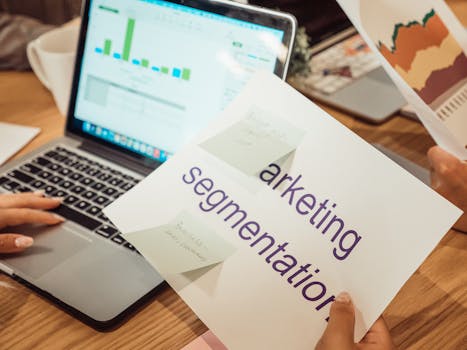 Photo: Kindel Media / Pexels
 Photo: Gustavo Fring / Pexels
 Photo: RDNE Stock project / Pexels
 Photo: RDNE Stock project / Pexels