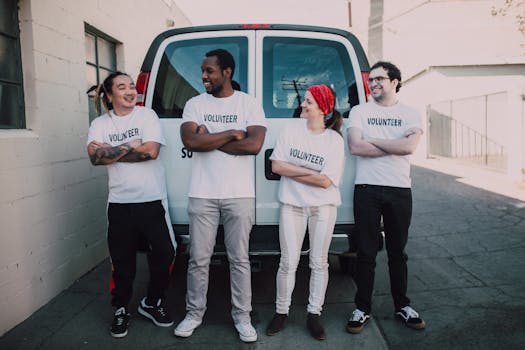
Top Nonprofit Fundraising Ideas for Beginners
nonprofit fundraising ideas for beginners

Top Nonprofit Fundraising Ideas for Beginners

Unlock the secrets to successful fundraising and turn your passion into powerful impact, even if you're just starting out.

Start Your Fundraising Journey

Key Takeaways

  • ✓ Over 1.5 million nonprofits operate in the US, many starting with limited resources.
  • ✓ Small, local events are often the most effective starting point for new nonprofits.
  • ✓ Peer-to-peer fundraising campaigns can significantly expand your reach with minimal overhead.
  • ✓ Clear communication of your mission and impact is crucial for donor engagement.

How It Works

1
Define Your Mission & Goals

Clearly articulate what your nonprofit aims to achieve and set specific, measurable fundraising targets. This provides direction and helps donors understand their impact.

2
Choose the Right Fundraising Methods

Select strategies that align with your resources, target audience, and mission. Start with accessible options like online campaigns or small community events.

3
Engage Your Community

Mobilize volunteers, board members, and early supporters to spread the word. Personal connections are powerful in motivating initial donations.

4
Communicate Impact & Thank Donors

Regularly share updates on how funds are being used and the positive changes they create. A prompt and heartfelt thank you fosters loyalty and encourages future giving.

Understanding the Landscape: Why Fundraising Matters for New Nonprofits

Smiling volunteer woman carrying aid boxes for a charity event. Photo: RDNE Stock project / Pexels
Embarking on the journey of establishing a nonprofit organization is an incredibly noble endeavor, driven by a desire to create positive change in the world. However, even the most passionate mission requires fuel to thrive, and that fuel is financial support. For beginners in the nonprofit sector, the concept of fundraising can often feel daunting, a complex maze of strategies, donor relations, and legal compliance. Yet, understanding its fundamental importance is the first step towards successful and sustainable impact. Fundraising isn't merely about collecting money; it's about building relationships, communicating value, and mobilizing a community around a shared cause. Without a robust fundraising strategy, even the most innovative programs and dedicated teams will struggle to achieve their objectives. It provides the essential resources for operational costs, program development, outreach, and the critical infrastructure necessary to sustain your work over time. Many new nonprofits make the mistake of underestimating the consistent effort required for fundraising. They might launch with initial seed money but fail to establish ongoing revenue streams, leading to burnout and an inability to scale their initiatives. For beginners, the goal is not to secure massive grants overnight, but to build a foundation of diverse funding sources, starting with accessible and manageable methods. This foundational approach helps to de-risk your organization, ensuring that you're not overly reliant on any single donor or funding channel. Moreover, successful fundraising campaigns serve as powerful validation for your mission, attracting more volunteers, partners, and ultimately, a broader donor base. It signals to potential stakeholders that your organization is viable, impactful, and worthy of investment. Think of fundraising as the lifeblood of your nonprofit. Just as a body needs a steady supply of blood to function, your organization needs a continuous flow of funds to operate, innovate, and expand its reach. This section aims to demystify the 'why' behind fundraising, setting the stage for the practical 'how-to' in the subsequent discussions. It's about empowering you to see fundraising not as a necessary evil, but as an integral and exciting part of your mission-driven work. By understanding its strategic importance from the outset, you can approach it with confidence and clarity, laying the groundwork for long-term success. Remember, every major nonprofit started somewhere, often with small, dedicated efforts to raise their first dollar. Your journey begins with that same commitment to securing the resources needed to bring your vision to life. For more on structuring your organization, explore this guide on how to start a nonprofit. The initial phase of fundraising for beginners should focus on building momentum and demonstrating early wins. This means selecting strategies that are relatively easy to implement, require minimal upfront investment, and can generate tangible results quickly. These early successes are invaluable for building confidence within your team, attracting more volunteers, and providing concrete examples of your impact to prospective larger donors. It's also an opportunity to test different approaches and learn what resonates best with your specific community and target audience. Diversifying your fundraising efforts, even at a nascent stage, is key. Relying too heavily on one type of event or one major donor can leave your organization vulnerable. Instead, aim for a mix of smaller, frequent contributions alongside occasional larger drives. This creates a more stable financial picture and allows for greater resilience in the face of unforeseen challenges. Ultimately, understanding the vital role of fundraising from day one positions your nonprofit for not just survival, but for thriving and making a profound difference.

Accessible & Effective Fundraising Ideas for Your First Campaigns

Close-up of charity boxes labeled for donation, featuring medicine and colorful paper cups. Photo: RDNE Stock project / Pexels
For new nonprofits, the most effective fundraising ideas are those that are relatively simple to organize, require minimal overhead, and can leverage existing community networks. The goal is to build momentum, secure early wins, and demonstrate tangible impact, which in turn attracts more significant support down the line. Let's delve into some highly accessible and effective strategies perfect for beginners. **1. Online Crowdfunding Campaigns:** Platforms like GoFundMe, Classy, or Donorbox make it incredibly easy to launch a campaign. You create a compelling story, set a fundraising goal, and share it widely through social media, email, and your personal network. The beauty of crowdfunding lies in its low barrier to entry and the ability for many small donations to add up quickly. Focus on a specific, urgent need or project to make your appeal more impactful. Include photos or videos that illustrate your mission and the difference donors can make. **2. Peer-to-Peer Fundraising:** This is an extension of crowdfunding where your supporters become fundraisers themselves. They create personal fundraising pages linked to your main campaign and ask their friends and family to donate. This significantly expands your reach beyond your immediate network. Think about asking board members, volunteers, or passionate individuals to host their own mini-campaigns. Provide them with tools, templates, and consistent encouragement. Challenges like 'Run for a Cause' or 'Birthday Fundraisers' are popular peer-to-peer models. **3. Small-Scale Community Events:** Don't aim for a gala right away. Start with something intimate and manageable. A bake sale, car wash, community yard sale, or a themed dinner at a local restaurant (where a percentage of sales goes to your cause) are excellent starting points. These events not only raise funds but also build community awareness and engagement. They offer a tangible way for people to support your mission while having a positive experience. Partnering with a local business can also provide a venue or resources, reducing your costs. **4. Merchandise Sales:** T-shirts, tote bags, mugs, or even digital products (like e-cookbooks or digital art) featuring your nonprofit's logo and mission can be a simple way to raise funds and increase brand visibility. Use print-on-demand services to avoid inventory costs. Supporters get a tangible item that shows their allegiance, and you generate revenue. This also acts as a subtle form of marketing, spreading awareness wherever the merchandise is used. **5. 'Donate Your Birthday' or 'Donate Your Holiday' Campaigns:** Encourage supporters to ask for donations to your nonprofit instead of gifts for their special occasions. This is a powerful, personal appeal that taps into existing social networks and often results in significant contributions. Provide them with easy-to-share links and suggested wording for their social media posts. **6. Recurring Donor Program (Small Gifts):** Even small monthly donations add up over time and provide a predictable revenue stream. Promote the idea of becoming a 'sustaining member' for as little as $5 or $10 a month. Emphasize the collective impact of these regular contributions. This strategy builds a loyal donor base and provides financial stability, which is crucial for long-term planning. Make it easy for people to sign up for recurring donations on your website. **7. Grant Writing (Starting Small):** While often perceived as complex, don't shy away from grants entirely. Start by researching local community foundations or corporate giving programs that offer smaller, accessible grants for new organizations. Focus on grants that align perfectly with a specific project you have in mind, rather than general operating costs initially. Many foundations have programs specifically designed to support emerging nonprofits. This is a skill that can be developed over time, and securing even a small grant can open doors to larger opportunities. Always read the guidelines carefully and tailor your application precisely to their requirements. The key is to start somewhere, learn from each attempt, and build on your successes. Don't be afraid to experiment, and always communicate the impact of every dollar raised. Transparency and gratitude are your most powerful assets.

Building Donor Relationships and Sustaining Momentum

A man organizing donation boxes filled with clothes and food items at an NGO office. Photo: Gustavo Fring / Pexels
Once you’ve successfully launched your initial fundraising campaigns, the next crucial step for any beginner nonprofit is to cultivate and nurture relationships with your donors. Fundraising isn't a transactional process; it's about building a community of supporters who believe in your mission and want to be part of your impact. Sustaining momentum goes far beyond just asking for money; it involves consistent communication, demonstrating accountability, and expressing genuine gratitude. Neglecting donor stewardship is a common pitfall for new organizations, leading to a high donor attrition rate and making future fundraising efforts significantly harder. **1. Expressing Genuine Gratitude:** This is perhaps the most fundamental aspect of donor relations. A prompt, personalized, and heartfelt thank you note or email after every donation, regardless of size, is non-negotiable. Go beyond a generic receipt. Acknowledge their specific contribution and briefly explain how it will make a difference. For larger donations, a phone call or a handwritten note can create a deeply personal connection. Remembering details about previous interactions or specific interests can elevate your thank you to a truly memorable experience. This simple act of appreciation is a powerful motivator for repeat giving and strengthens the donor's emotional connection to your cause. Learn more about effective communication in nonprofit marketing strategies. **2. Consistent and Impactful Communication:** Donors want to know their money is making a difference. Regularly share updates on your progress, program successes, and the real-world impact of their contributions. This can be through a monthly newsletter, quarterly impact reports, social media posts, or personal emails. Use stories, photos, and even videos to bring your work to life. Instead of just stating facts, illustrate how a specific donation helped a specific individual or achieved a particular outcome. Transparency about how funds are used builds trust and reinforces the value of their support. Avoid overwhelming donors with constant solicitations; balance asks with updates and appreciation. **3. Providing Opportunities for Deeper Engagement:** Not all engagement has to be about money. Invite donors to volunteer, attend a program event, or join a focus group. These opportunities allow them to experience your mission firsthand, deepening their connection and understanding. When donors feel invested and see the work up close, they become powerful advocates and are more likely to offer continued financial support. Consider hosting open house events or virtual tours of your operations to give them an insider's view. **4. Segmenting Your Donors:** As your donor base grows, you'll find different segments of supporters. Some might be one-time givers, others recurring, and some major donors. Tailor your communication and engagement strategies to these different groups. A major donor might appreciate a personal meeting or a detailed annual report, while a small recurring donor might prefer concise email updates. Personalization makes donors feel valued and understood, rather than just another name on a list. **5. Asking for Feedback:** Show donors that their opinions matter. Occasionally survey them about their experience with your organization, what they appreciate, and what could be improved. This not only provides valuable insights but also makes them feel like a true partner in your mission. An open channel for feedback fosters a sense of ownership and collaboration. **6. Developing a Donor Retention Strategy:** It costs significantly more to acquire a new donor than to retain an existing one. Therefore, a deliberate strategy for donor retention is paramount. This includes all the points above – gratitude, communication, engagement, and personalization. Track donor giving patterns, remember key dates (like their first donation anniversary), and reach out with tailored messages. A strong retention rate is a hallmark of a healthy and sustainable nonprofit. By focusing on building genuine relationships, you transform one-time contributors into loyal advocates and long-term partners, ensuring the sustained momentum vital for your nonprofit's success.

Common Fundraising Mistakes & How to Avoid Them

Volunteers distribute food and medicine to those in need, demonstrating compassion and community support. Photo: RDNE Stock project / Pexels
For beginners in nonprofit fundraising, navigating the landscape can be tricky, and certain pitfalls are common. Being aware of these mistakes can help you steer clear of them and build a more robust, sustainable fundraising strategy from the outset. * **Lack of a Clear 'Why':** Donors give to impact, not just to organizations. A common mistake is failing to articulate a compelling, specific reason why someone should donate to *your* cause. Don't just state your mission; tell stories that show the problem you're solving and the positive change your organization creates. Be precise about how their donation will be used and the tangible outcome it will achieve. *Avoid:* Vague appeals like 'Help us do good work.' *Instead:* 'Your $50 donation provides a week's worth of healthy meals for a child in our after-school program.' * **Over-reliance on a Single Fundraising Method:** Putting all your eggs in one basket is risky. If that one event or grant falls through, your organization's financial stability could be jeopardized. Beginners often focus solely on one type of event or a single large grant. *Avoid:* Only doing an annual gala or only pursuing government grants. *Instead:* Diversify with online campaigns, small community events, recurring donor programs, and merchandise sales. * **Neglecting Donor Stewardship:** As discussed, fundraising doesn't end with the donation. Many new nonprofits focus entirely on acquisition and forget to cultivate existing donors. This leads to high donor churn. *Avoid:* Sending only generic thank yous or only contacting donors when you need more money. *Instead:* Implement a robust thank-you process, share impact updates regularly, and offer non-financial engagement opportunities. * **Fear of Asking:** Many beginners are uncomfortable directly asking for money. This reluctance can stem from shyness, fear of rejection, or feeling like they're begging. However, donors want to be asked; they want to help. *Avoid:* Hinting at needs or making passive appeals. *Instead:* Be direct, confident, and passionate in your ask, always linking it back to the impact their contribution will make. * **Poor Storytelling:** People connect with emotions and personal narratives. A mistake is presenting only data and statistics without the human element. While data is important, it needs to be framed within a compelling story. *Avoid:* Dry reports of numbers. *Instead:* Share testimonials, case studies, and vivid descriptions of the individuals or communities you serve. * **Lack of Follow-Through:** If you promise to use funds for a specific project, ensure you do so and then report back on its completion. Failing to follow through or not communicating outcomes erodes trust. *Avoid:* Soliciting funds for a project and then redirecting them without informing donors, or simply never reporting on the project's success. *Instead:* Be transparent about fund usage and celebrate project milestones and successes with your donors. * **Inadequate Use of Technology:** In today's digital age, neglecting online tools for donations, communication, and donor management is a major oversight. Many beginners rely solely on manual processes. *Avoid:* Only accepting cash or checks, or managing donor data in spreadsheets. *Instead:* Utilize online donation platforms, email marketing tools, and basic CRM software to streamline operations and enhance donor experience. * **Not Setting Clear Goals and Metrics:** Without specific fundraising goals and ways to measure success, it's impossible to know if your efforts are effective. Beginners often jump into fundraising without a clear plan. *Avoid:* 'We need more money' as a goal. *Instead:* Set SMART goals (Specific, Measurable, Achievable, Relevant, Time-bound) like 'Raise $5,000 for our summer camp program by June 30th' and track progress regularly.

Comparison

FeatureOnline CrowdfundingCommunity Event (e.g., Bake Sale)Peer-to-Peer CampaignRecurring Donor Program
Setup DifficultyEasyMediumEasy-MediumEasy
Cost to ImplementLow (platform fees)Medium (materials, venue)Low (platform fees)Low (payment processor fees)
Reach PotentialHigh (social shares)LocalVery High (networks)Moderate (direct outreach)
Donor EngagementLow-MediumHigh (personal interaction)High (personal appeals)High (sustained relationship)
Revenue PredictabilityLowLow-MediumLow-MediumHigh
Suitable for Beginners
Requires Volunteers
Builds Community

What Readers Say

"This article on nonprofit fundraising ideas for beginners was a lifesaver! As a new director, I felt overwhelmed, but the practical advice on crowdfunding and peer-to-peer campaigns gave me clear starting points. We've already raised 20% of our initial goal!"

Sarah J. · Austin, TX

"The section on common fundraising mistakes hit home. We were definitely making the 'fear of asking' error. This guide helped us craft more direct and impactful solicitations, leading to a noticeable increase in donations."

Mark D. · Portland, OR

"I loved the focus on donor stewardship. We implemented personalized thank you notes and regular impact updates, and our recurring donor sign-ups have doubled in the last quarter. These nonprofit fundraising ideas for beginners really work!"

Emily R. · Miami, FL

"Very comprehensive for beginners. While some ideas felt a bit basic, the depth of explanation and the emphasis on building relationships were invaluable. I particularly appreciated the tips on diversifying fundraising methods early on."

David K. · Chicago, IL

"As someone launching a small animal rescue, the accessible event ideas like bake sales and merchandise sales were perfect. We're a small team, and these nonprofit fundraising ideas for beginners allowed us to raise funds without needing huge resources."

Jessica L. · Denver, CO

Frequently Asked Questions

What is the most effective fundraising idea for a brand-new nonprofit?

For a brand-new nonprofit, online crowdfunding and peer-to-peer campaigns are often the most effective. They require minimal upfront cost, leverage existing social networks, and can quickly generate initial funds while raising awareness for your cause. Starting with a clear, specific project goal for these campaigns is crucial.

How can I find donors if my nonprofit is just starting out?

Begin by tapping into your personal network – friends, family, colleagues, and community members who already know and trust you. Ask your board members and initial volunteers to do the same. Leverage social media and local community groups to spread your message. Look for opportunities to present your mission at local clubs or events to reach new potential supporters.

What's the best way to thank donors to encourage repeat giving?

The best way to thank donors is promptly, personally, and by demonstrating impact. Send a personalized thank-you note or email within 48 hours, mentioning their specific donation amount (if appropriate) and how it will be used. Share stories, photos, or updates that show the positive change their contribution enabled. For larger gifts, a handwritten note or phone call can make a significant difference.

How much money should a new nonprofit aim to raise in its first year?

The amount a new nonprofit should aim to raise varies greatly depending on its mission, operational costs, and program goals. Instead of a fixed number, focus on setting realistic, measurable goals for specific projects or operational needs. Start with smaller, achievable targets to build confidence and demonstrate success, then scale up as your capacity and donor base grow. It's more about steady progress than a single large sum.

Are there free tools available for nonprofit fundraising?

Yes, many free or low-cost tools can assist beginners. Social media platforms (Facebook, Instagram, LinkedIn) are free for outreach and sharing campaigns. Many crowdfunding platforms like GoFundMe allow free setup, taking only a percentage of donations. Email marketing services often have free tiers for small lists. Google for Nonprofits offers free access to Google Workspace and ad credits, which can be invaluable. Utilize these resources to minimize overhead.

Who should be involved in fundraising for a new nonprofit?

Everyone involved in a new nonprofit should be engaged in fundraising to some extent. This includes the executive director, board members, key volunteers, and even passionate program participants. While the executive director often leads the charge, board members are crucial for opening doors and making introductions, and volunteers can be instrumental in organizing events and spreading awareness. Fundraising is a team effort.

What are the biggest risks for beginners in nonprofit fundraising?

The biggest risks for beginners often include a lack of clear strategy, over-reliance on a single funding source, neglecting donor stewardship, and failing to communicate impact effectively. These can lead to donor fatigue, financial instability, and burnout. Mitigate these by diversifying your efforts, prioritizing donor relationships, and consistently sharing your mission's success stories.

How will AI and technology impact future nonprofit fundraising?

AI and technology are poised to transform future nonprofit fundraising by enabling more personalized donor communications, optimizing campaign timing, and predicting donor behavior. AI can help identify potential major donors, segment audiences for targeted appeals, and automate administrative tasks, freeing up staff for more direct donor engagement. Virtual reality and augmented reality may also offer immersive ways to showcase impact and connect donors to the cause.

Embarking on your nonprofit fundraising journey can feel overwhelming, but with the right strategies and a clear understanding of donor engagement, success is within reach. Start small, build relationships, and consistently communicate your impact. These nonprofit fundraising ideas for beginners are your roadmap to securing the vital resources needed to fulfill your mission and make a lasting difference in the world.

Topics: nonprofit fundraising ideas for beginnersfirst-time nonprofit fundraisingstarting a nonprofit fundraiserbeginner fundraising strategieseasy nonprofit fundraising
Leo List

DK Escorts LU Escorts AT Escorts SE Escorts FI Escorts CH Escorts DE Escorts HR Escorts IE Escorts GR Escorts CZ Escorts NO Escorts BE Escorts FR Escorts SI Escorts IL Escorts NL Escorts PL Escorts HU Escorts ES Escorts IT Escorts PT Escorts SK Escorts RO Escorts ZA Escorts UY Escorts US Escorts UK Escorts NZ Escorts AU Escorts
Brampton weed
Adultwork EstrelaBet Vai de Bet R7 Bet Betão Galera Bet Rainbet Bet9ja Shop SportyBet BetKing Sisal Loto Foot Hollywoodbets YesPlay Odibets RushBet Jugabet BetWarrior BetCity MSport betPawa Fortebet