✓ Small nonprofits often rely heavily on individual donors and community support.
✓ Effective fundraising for small organizations emphasizes creativity, low-cost solutions, and strong relationship building.
✓ Online fundraising tools are essential, even for localized efforts.
✓ Grant funding can provide significant support but requires dedicated research and application.
✓ Volunteer engagement is crucial for both operational capacity and fundraising success.
How It Works
1
Define Your Fundraising Goals
Clearly articulate what funds are needed for and the specific impact they will have. This clarity helps donors understand the value of their contribution.
2
Identify Your Target Donors
Understand who is most likely to support your cause, whether it's local community members, specific demographic groups, or foundations. Tailor your outreach accordingly.
3
Choose Appropriate Fundraising Strategies
Select methods that align with your organization's capacity, mission, and donor base. Combine various approaches for a diversified income stream.
4
Build Relationships and Communicate Impact
Fundraising is about more than just asking for money; it's about fostering lasting relationships. Regularly share updates and demonstrate how contributions make a difference.
Leveraging Community Engagement for Small Nonprofit Fundraising
Photo: RDNE Stock project / Pexels
For small organizations, the local community is often your strongest asset. Harnessing this power requires a blend of traditional outreach and innovative engagement tactics. Think beyond the annual gala and consider events that truly resonate with your community's interests and values. For instance, a 'Dine and Donate' partnership with a local restaurant can be a low-effort, high-return strategy. The restaurant agrees to donate a percentage of sales on a specific day or evening, and your organization promotes the event to its network. This not only raises funds but also builds goodwill with a local business and increases your visibility within the community. Similarly, consider hosting a 'Skill-Share Workshop' where community members teach or learn a craft, and a small portion of the registration fee goes to your nonprofit. This taps into the growing desire for experiential learning and provides a unique value proposition for participants.
Another powerful community engagement tool is a 'Community Clean-Up Day' or 'Park Beautification Project.' While not directly a fundraising event, it serves as an excellent opportunity to showcase your organization's mission in action, attract volunteers, and engage potential donors who see your positive impact firsthand. During such events, volunteers and participants can be gently encouraged to make small donations or sign up for your newsletter, becoming part of your donor pipeline. Remember, the goal is to create opportunities for people to interact with your cause in meaningful ways, leading to deeper connections and sustained support. Local schools, churches, and civic groups are also excellent partners for co-hosting events or simply spreading the word about your initiatives. Building these relationships takes time, but the payoff in terms of sustained community support and volunteer engagement is invaluable for small nonprofits. Don't underestimate the power of word-of-mouth in tight-knit communities; a positive experience shared by one resident can quickly turn into support from many. Always ensure your messaging is clear, concise, and compelling, highlighting the tangible difference contributions make. Learn more about effective nonprofit communication strategies here. Effective community engagement forms the bedrock of sustainable fundraising for small organizations, creating a loyal base of supporters who are invested in your success.
Innovative Digital Strategies for Small Nonprofit Fundraising Success
Photo: RDNE Stock project / Pexels
In today's interconnected world, a robust digital presence is non-negotiable for even the smallest nonprofit. Digital fundraising isn't just about having a 'Donate Now' button on your website; it's about creating engaging online experiences that convert visitors into donors. One highly effective strategy is crowdfunding. Platforms like GoFundMe Charity or Classy allow you to tell your story, set a specific fundraising goal, and leverage your network to spread the word. The key to successful crowdfunding lies in compelling storytelling, clear impact statements, and consistent updates to your supporters. Share photos, videos, and testimonials that illustrate the urgent need and the positive change your organization facilitates. Another powerful digital tool is peer-to-peer fundraising, where your supporters create their own fundraising pages and solicit donations from their friends and family on your behalf. This amplifies your reach exponentially and taps into personal networks that you might not otherwise access.
Social media is an indispensable channel for digital fundraising. Beyond simply posting appeals, use platforms like Facebook, Instagram, and LinkedIn to share stories, behind-the-scenes glimpses of your work, and calls to action. Live-streaming events, Q&A sessions with your leadership, or even virtual tours of your facilities can create an immediate and personal connection with your audience. Consider running targeted social media ads, even with a small budget, to reach specific demographics who are likely to care about your cause. Email marketing remains one of the most effective digital fundraising tools. Build an email list by offering valuable content, signing up volunteers, or through website pop-ups. Segment your list to send personalized appeals, thank-you notes, and impact reports. Automation tools can help small teams manage these campaigns efficiently. Finally, recurring donation programs are the holy grail of digital fundraising. Encourage supporters to set up small, monthly donations. Even $5 or $10 a month can add up to significant, predictable income, providing much-needed financial stability for small organizations. Make the sign-up process simple and clearly articulate the long-term impact of sustained support. By embracing these digital strategies, small nonprofits can expand their donor base far beyond their immediate geographic area and secure vital funding.
Grants, Corporate Partnerships, and Sustainable Funding for Nonprofits
Photo: Pixabay / Pexels
While individual donations and community events are vital, small nonprofits should also explore more structured funding avenues like grants and corporate sponsorships to build sustainable financial health. Grant funding can provide significant capital for specific projects, operational costs, or capacity building. The process, however, requires meticulous research and compelling proposal writing. Start by identifying foundations whose missions align with yours. Use online databases like Foundation Directory Online (though it often requires a subscription) or free resources provided by community foundations. Many local community foundations specifically support smaller, grassroots organizations within their region. When writing a grant proposal, clearly articulate the problem your organization addresses, your proposed solution, the expected outcomes, and how you will measure success. Quantify your impact whenever possible. A strong grant proposal demonstrates not only need but also the organization's capacity to deliver results. It's a competitive landscape, so persistence and attention to detail are key. Don't be discouraged by initial rejections; use feedback to refine your approach.
Corporate partnerships offer another avenue for substantial support. This isn't just about asking for money; it's about creating mutually beneficial relationships. Businesses might sponsor an event, offer pro-bono services, or implement employee matching gift programs. Research local businesses that share your values or have a corporate social responsibility (CSR) focus that aligns with your mission. When approaching a business, present a clear value proposition: how will partnering with your nonprofit benefit them? This could include enhanced brand image, employee engagement opportunities, or increased visibility within the community. For example, a local pet store might sponsor an animal shelter's adoption event, gaining positive publicity while helping animals. Consider tiered sponsorship packages to offer different levels of involvement and recognition. Beyond direct funding, look for opportunities for in-kind donations of goods or services, which can significantly reduce your operational costs. Building a diverse funding portfolio, including individual donors, community efforts, grants, and corporate support, provides resilience and long-term stability for small organizations, allowing them to focus on their core mission rather than constantly scrambling for funds. Explore more about building diverse funding streams for nonprofits.
Essential Tips and Common Mistakes in Small Nonprofit Fundraising
Photo: RDNE Stock project / Pexels
Successfully navigating the world of nonprofit fundraising, especially for small organizations with limited resources, requires strategic thinking and a commitment to best practices. Here are some essential tips to maximize your fundraising efforts and common mistakes to avoid:
**Essential Tips for Small Nonprofit Fundraising:**
* **Tell Your Story Compellingly:** People give to people. Share personal anecdotes, photos, and videos that illustrate the impact of your work. Make it emotional and relatable.
* **Cultivate Donor Relationships:** Fundraising is not transactional; it's relational. Thank donors promptly and sincerely, show them the impact of their gift, and keep them engaged with regular updates. Personalized communication goes a long way.
* **Diversify Your Income Streams:** Relying on a single source of funding is risky. Blend individual donations, grants, events, and corporate sponsorships to create a resilient financial foundation.
* **Leverage Volunteers Effectively:** Volunteers can be your most passionate advocates and fundraisers. Empower them with tools, training, and clear roles to extend your reach.
* **Start Small and Scale Up:** Don't try to host a massive gala if you're a small, new organization. Begin with manageable, low-cost events and build capacity as you grow.
* **Measure and Report Impact:** Donors want to know their money is making a difference. Track your outcomes and share your successes (and challenges) transparently. This builds trust and encourages continued support.
* **Embrace Technology:** Utilize affordable CRM systems, email marketing tools, and social media scheduling platforms to streamline your fundraising and communication efforts.
**Common Mistakes to Avoid:**
* **Lack of Clear Messaging:** If your mission and impact aren't clear, donors won't understand why they should give to you.
* **Only Asking for Money:** Engage donors beyond just asking for donations. Invite them to events, volunteer, or share your story. Build community.
* **Neglecting Donor Stewardship:** Failing to thank donors, communicate impact, or build ongoing relationships leads to high donor attrition.
* **Not Having a Fundraising Plan:** Ad-hoc fundraising is inefficient. Develop a strategic plan with clear goals, timelines, and responsibilities.
* **Ignoring Data:** Don't guess what works; use data from your past campaigns to understand donor behavior and optimize future efforts.
* **Over-reliance on One Funding Source:** As mentioned, this creates vulnerability and can jeopardize your organization's future.
* **Poor Financial Transparency:** Donors, especially institutional ones, expect clear and accurate financial reporting. Be prepared to show how funds are used responsibly.
Comparison
Feature
Community Event (e.g., Fun Run)
Online Crowdfunding
Grant Application
Corporate Sponsorship
Cost to Implement
Moderate (venue, permits, supplies)
Low (platform fees, marketing)
Low (staff time)
Low (staff time, proposal design)
Time Commitment
High (planning, execution, follow-up)
Medium (storytelling, promotion)
High (research, writing, reporting)
Medium (research, pitching, relationship)
Potential Reach
Local/Regional
Global (via shares)
Specific (aligned foundations)
Local/Regional (via business network)
Relationship Building
Direct & Personal
Broad & Digital
Formal & Professional
Strategic & Mutually Beneficial
Primary Donor Type
Individual, Local Businesses
Individual, Peer Networks
Foundations, Government
Businesses
Scalability
Limited by logistics
High (viral potential)
Project-specific
Dependent on business size
What Readers Say
★★★★★
"As a small animal rescue, we struggled with consistent funding. This guide on nonprofit fundraising ideas for small organizations gave us the blueprint for our first successful peer-to-peer campaign, bringing in more than we ever thought possible."
Maria Rodriguez · Austin, TX
★★★★★
"The insights on leveraging community engagement were invaluable. Our local 'Dine and Donate' event, inspired by these ideas, not only raised significant funds but also built amazing relationships with local businesses and residents."
David Chen · Portland, OR
★★★★★
"We implemented the advice on diversifying our funding streams, and within six months, our organization secured its first major grant. This article was a game-changer for our small arts nonprofit."
Sarah Miller · Atlanta, GA
★★★★★
"While some of the grant-writing advice was a bit advanced for our very new team, the practical tips on digital fundraising and social media engagement were incredibly helpful and immediately actionable. Great overall resource."
John Smith · Denver, CO
★★★★★
"Our small environmental advocacy group used these nonprofit fundraising ideas for small organizations to launch a recurring donor program. We now have a stable base of monthly support, allowing us to plan our projects with more confidence."
Emily White · Chicago, IL
Frequently Asked Questions
What are the most effective nonprofit fundraising ideas for small organizations with limited budgets?
For small organizations with limited budgets, the most effective fundraising ideas often revolve around leveraging community connections and digital tools. Strategies like peer-to-peer fundraising, 'Dine and Donate' events with local businesses, small-scale crowdfunding campaigns, and engaging social media appeals are low-cost but can yield significant results. Focus on compelling storytelling and personal outreach to maximize impact without large overheads.
How can small nonprofits compete for grants against larger organizations?
Small nonprofits can compete for grants by focusing on foundations that specifically fund smaller, local, or grassroots organizations. Highlight your unique community impact, flexibility, and strong ties to the population you serve. Many grantmakers appreciate the direct and measurable impact small organizations often have. Thoroughly research and tailor each proposal to align perfectly with the funder's priorities, demonstrating a clear, specific need and a well-defined project plan.
What are some easy-to-implement online fundraising ideas for small nonprofits?
Easy-to-implement online fundraising ideas include setting up a simple recurring donation option on your website, utilizing social media 'Donate' buttons, running a focused crowdfunding campaign for a specific project, and hosting virtual events like online workshops or trivia nights. Email marketing, with personalized appeals and impact reports, is also a highly effective and relatively easy online tool to cultivate donations.
How much staff time should a small nonprofit dedicate to fundraising?
The amount of staff time dedicated to fundraising depends on the organization's size, goals, and existing resources. Ideally, even a small nonprofit should have at least one dedicated individual or a committee responsible for overseeing fundraising efforts. This could be a part-time role or a significant portion of a director's responsibilities. Consistency and strategic planning, rather than sporadic efforts, are key to long-term success.
Are there free tools available to help small organizations with fundraising?
Yes, many free and low-cost tools can assist small organizations. Social media platforms (Facebook, Instagram) offer free outreach and 'Donate' buttons. Free email marketing services (like Mailchimp for small lists) can help with donor communication. Google for Nonprofits offers free access to G Suite and ad credits. Additionally, many crowdfunding platforms only charge a percentage of funds raised, meaning no upfront costs.
Who should use these nonprofit fundraising ideas for small organizations?
These nonprofit fundraising ideas are specifically designed for small organizations, including grassroots initiatives, local community groups, new nonprofits, and those with limited staff and budget. Any organization looking to build a sustainable funding model by leveraging creativity, community connections, and accessible digital tools will find these strategies highly beneficial.
What are the risks of relying too heavily on a single fundraising method?
Relying too heavily on a single fundraising method poses significant risks. If that method experiences a downturn (e.g., a major donor withdraws, a popular event becomes unfeasible, or a grant program changes focus), your organization could face severe financial instability. Diversifying your funding streams provides a safety net, ensuring that if one source falters, others can help sustain your operations.
What future trends should small nonprofits consider in their fundraising strategy?
Future trends for small nonprofit fundraising include the continued growth of digital giving, especially through mobile devices; the increasing importance of personalized donor experiences; the rise of impact investing and social enterprise models; and the growing demand for transparency and demonstrable impact. Small nonprofits should also explore integrating AI for donor segmentation and communication, and embrace virtual and hybrid event formats.
Ready to transform your small nonprofit's financial future? Explore these proven nonprofit fundraising ideas for small organizations and start building a robust, diversified funding strategy today. Your mission deserves sustainable support.

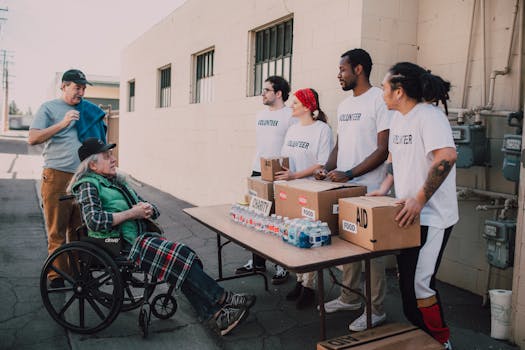 Photo: RDNE Stock project / Pexels
 Photo: RDNE Stock project / Pexels
 Photo: Pixabay / Pexels
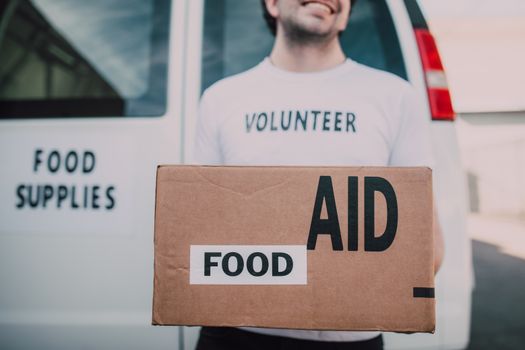 Photo: RDNE Stock project / Pexels