Unlock Impact: Remote Nonprofit Jobs United States
remote nonprofit jobs united states

Unlock Impact: Remote Nonprofit Jobs United States

Find meaningful remote work in the nonprofit sector and contribute to causes you care about, all from the comfort of your home.

Start Your Remote Nonprofit Journey

Key Takeaways

  • ✓ Over 1.5 million nonprofit organizations operate in the US.
  • ✓ The nonprofit sector employs more than 10% of the US private workforce.
  • ✓ Remote work in nonprofits has surged by over 90% since 2020.
  • ✓ Common remote roles include fundraising, marketing, program management, and data analysis.

How It Works

1
Define Your Passion & Skills

Identify the causes you care about most and pinpoint your professional strengths. This clarity will guide your job search effectively.

2
Optimize Your Remote Resume

Tailor your resume to highlight remote work experience, digital proficiency, and self-management skills. Showcase your ability to thrive independently.

3
Target Key Job Boards & Networks

Utilize specialized nonprofit job platforms and professional networking sites. Connect with sector leaders and apply strategically to relevant openings.

4
Prepare for Virtual Interviews

Practice video interviews, ensure a professional home setup, and research the organization thoroughly. Demonstrate your enthusiasm and remote readiness.

The Rise of Remote Work in the Nonprofit Sector

Group of diverse volunteers smiling while sorting clothes at a charity donation center. Photo: Julia M Cameron / Pexels
The landscape of employment has undergone a profound transformation over the past few years, with remote work emerging as a dominant force across nearly all industries. The nonprofit sector, traditionally known for its community-centric, often in-person operations, has not been immune to this shift. In fact, it has embraced remote opportunities with remarkable enthusiasm, opening up a world of possibilities for individuals seeking to make a difference from anywhere in the United States. This surge in remote nonprofit jobs united states has been driven by several factors, including technological advancements, a greater understanding of work-life balance benefits, and the imperative for operational flexibility. Organizations have discovered that allowing employees to work remotely not only expands their talent pool beyond geographical constraints but also often leads to increased productivity and employee satisfaction. Historically, many nonprofit roles were tied to a physical office, requiring proximity to the communities served or the administrative hub. However, modern communication tools, cloud-based software, and project management platforms have dissolved these barriers. A fundraiser can now cultivate donor relationships across time zones, a grant writer can craft compelling proposals from a quiet home office, and a program manager can coordinate initiatives with teams spread across different states, all without ever stepping foot into a physical headquarters. This flexibility is a game-changer, not just for the organizations but for the individuals who can now align their professional skills with their passion for social impact, regardless of their location. It has democratized access to meaningful work, allowing parents, caregivers, individuals in rural areas, or those with specific accessibility needs to contribute their talents to vital causes. Furthermore, the pandemic accelerated this trend, forcing many nonprofits to pivot quickly to remote operations. What began as a necessity often evolved into a strategic advantage. Organizations realized that a remote-first or hybrid model could reduce overhead costs associated with office space, expand their reach for talent, and foster a more inclusive work environment. This evolution has solidified remote work as a permanent fixture in the nonprofit employment ecosystem. The demand for skilled professionals who can effectively operate in a virtual setting continues to grow, making it an opportune time for job seekers to explore this dynamic field. Whether you're an experienced professional looking for a career change or an entry-level candidate eager to start your journey, the remote nonprofit sector offers a diverse array of roles that cater to various skill sets and levels of experience. Understanding this foundational shift is the first step in successfully navigating the landscape of nonprofit career opportunities from home.

Identifying In-Demand Remote Nonprofit Roles
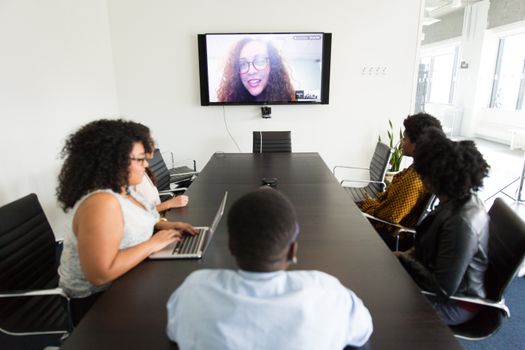
From above of diverse employees gathering at table in contemporary conference hall and having video call with coworker on TV set Photo: Christina Morillo / Pexels
As the nonprofit sector continues to embrace remote work, certain roles have emerged as particularly well-suited for a distributed workforce. Understanding these in-demand positions can significantly streamline your job search for remote nonprofit jobs united states. While the specific titles may vary, the core functions remain consistent across many organizations, offering a wide range of opportunities for individuals with diverse backgrounds and skill sets. One of the most consistently sought-after remote roles is in **Fundraising and Development**. Nonprofits rely heavily on donations, grants, and strategic partnerships to fulfill their missions. Professionals in this area can work remotely on grant writing, donor relations, major gift cultivation, campaign management, and corporate sponsorships. Their ability to connect with donors and partners, often through digital communication and virtual meetings, makes this a highly effective remote function. Strong written and verbal communication skills, coupled with a passion for the organization's mission, are crucial for success in these roles. Another critical area is **Marketing and Communications**. Nonprofits need to effectively tell their stories, raise awareness, and engage with their target audiences. Remote marketing specialists can manage social media, create content (blogs, videos, newsletters), handle PR, design digital campaigns, and manage websites. These roles often require creativity, strong storytelling abilities, and proficiency with various digital marketing tools. The ability to craft compelling messages that resonate with diverse audiences is paramount. **Program Management and Coordination** also frequently offer remote options. While some program delivery may require in-person interaction, the administrative, planning, and oversight aspects can often be managed remotely. This includes developing program strategies, tracking outcomes, managing budgets, coordinating with partners, and supervising remote teams. These roles demand excellent organizational skills, strategic thinking, and the ability to manage complex projects from a distance. Furthermore, **Data Analysis and Impact Measurement** roles are increasingly remote. Nonprofits are data-driven, relying on metrics to demonstrate impact, secure funding, and refine strategies. Data analysts, researchers, and evaluation specialists can collect, analyze, and report on data remotely, providing invaluable insights to their organizations. Proficiency in statistical software, data visualization tools, and a keen eye for detail are essential. Finally, **Operations, Finance, and Human Resources** also present numerous remote possibilities. From managing budgets and payroll to overseeing IT infrastructure and talent acquisition, many administrative functions can be performed effectively outside of a traditional office setting. These roles often require strong technical skills, attention to detail, and a deep understanding of organizational processes. The breadth of these opportunities means that whether your expertise lies in direct service, strategic planning, or administrative support, there's likely a remote nonprofit role waiting for you.

Strategies for Landing Your Ideal Remote Nonprofit Job

A man and woman engaging in a job interview in a modern office setting. Photo: Tima Miroshnichenko / Pexels
Securing a remote nonprofit job in the United States requires a strategic and targeted approach. It's not enough to simply apply to every open position; you need to tailor your efforts to stand out in a competitive landscape and demonstrate your readiness for remote work specifically within the social impact sector. **1. Optimize Your Online Presence:** Your LinkedIn profile and professional portfolios are your digital storefronts. Ensure they are up-to-date, highlight your remote work capabilities, and showcase your passion for the nonprofit mission. Use keywords relevant to your desired roles and the nonprofit sector. Consider creating a personal website or blog where you can share thought leadership or examples of your work, particularly if you're in communications, marketing, or grant writing. Recruiters often look for candidates who proactively demonstrate their skills and commitment. **2. Network Strategically:** While remote work means you might not meet colleagues in person, virtual networking is more important than ever. Join online communities, professional groups, and virtual events related to your niche within the nonprofit sector. Engage in discussions, offer insights, and connect with professionals who might be aware of hidden job opportunities or can offer mentorship. Platforms like LinkedIn, Idealist, and sector-specific forums are excellent starting points. Informational interviews with people already working in remote nonprofit roles can provide invaluable insights and potential leads. **3. Tailor Your Application Materials:** Generic resumes and cover letters rarely succeed. For every application, meticulously customize your resume to reflect the keywords and requirements of the specific job description. Your cover letter should clearly articulate why you are passionate about *that particular organization's mission* and how your skills and experience make you an ideal candidate for a *remote* role. Highlight your self-motivation, time management abilities, digital proficiency, and capacity for independent work – qualities crucial for remote success. Provide concrete examples of how you've successfully managed projects or collaborated with teams remotely in the past. **4. Leverage Specialized Job Boards:** While general job sites can be useful, specialized platforms often yield better results for remote nonprofit jobs united states. Websites like Idealist, Foundation Group, The Chronicle of Philanthropy, and specific association job boards (e.g., for fundraising professionals or environmental advocates) frequently list remote-friendly positions. Filtering your search by 'remote,' 'work from home,' or 'virtual' will narrow down relevant opportunities. Don't overlook smaller, niche job boards that cater to specific causes, as these can sometimes have less competition. **5. Ace the Virtual Interview:** When you land an interview, treat it as seriously as an in-person meeting. Ensure you have a quiet, professional backdrop, good lighting, and a stable internet connection. Test your audio and video beforehand. Research the organization's mission, recent campaigns, and leadership. Be prepared to discuss your experience with remote collaboration tools, how you manage your time effectively, and how you stay connected with a remote team. Show genuine enthusiasm for their cause and demonstrate your ability to be a proactive, engaged remote team member. Remember, the interview is also an opportunity for you to assess if the organization's remote culture aligns with your working style. Ask thoughtful questions about their remote policies, communication strategies, and team integration to ensure it's a good fit for you. Understanding the nuances of nonprofit sector employment in a remote context is key.

Essential Skills and Tools for Remote Nonprofit Success

Close-up of a person working outdoors with a laptop and coffee in hand. Photo: SHVETS production / Pexels
Succeeding in remote nonprofit jobs United States goes beyond merely finding a position; it requires a specific set of skills and proficiency with essential tools that enable effective virtual collaboration and independent productivity. Developing and showcasing these competencies will significantly enhance your appeal to potential employers. **Key Skills for Remote Nonprofit Professionals:** * **Self-Discipline and Time Management:** Without the structure of a traditional office, remote workers must be highly organized and self-motivated. The ability to set priorities, manage deadlines, and stay focused without constant oversight is paramount. * **Proactive Communication:** Remote teams rely heavily on clear, concise, and frequent communication. This includes active listening, articulate writing, and the willingness to proactively share updates, ask questions, and provide feedback. Over-communicating is often better than under-communicating in a remote setting. * **Adaptability and Problem-Solving:** The remote environment can present unique challenges, from technical glitches to unforeseen scheduling conflicts. Successful remote workers are adaptable, resourceful, and adept at troubleshooting problems independently. * **Digital Literacy:** A strong understanding of common digital tools and platforms is non-negotiable. This includes video conferencing software, project management systems, cloud-based document sharing, and potentially CRM (Customer Relationship Management) or donor management software specific to nonprofits. * **Empathy and Emotional Intelligence:** Even in a remote setting, understanding and responding to the needs of colleagues, beneficiaries, and donors is critical for nonprofit work. The ability to build rapport and trust virtually is invaluable. **Essential Tools for Remote Nonprofit Work:** * **Communication & Collaboration Platforms:** Tools like Zoom, Microsoft Teams, Google Meet, and Slack are fundamental for virtual meetings, instant messaging, and team collaboration. Proficiency in at least one of these is expected. * **Project Management Software:** Asana, Trello, Monday.com, and ClickUp help remote teams stay organized, track tasks, manage timelines, and ensure accountability across distributed team members. * **Cloud Storage & Document Sharing:** Google Drive, Dropbox, and Microsoft OneDrive facilitate seamless document creation, sharing, and co-editing, ensuring all team members have access to the latest versions of files. * **CRM/Donor Management Systems:** Nonprofits often use specialized software like Salesforce for Nonprofits, Blackbaud, or DonorPerfect to manage donor relationships, track fundraising efforts, and analyze engagement. Familiarity with such systems can be a significant advantage. * **Productivity Tools:** Calendly for scheduling, LastPass for password management, and various note-taking apps can streamline daily workflows and enhance efficiency. Cultivating these skills and becoming proficient with these tools not only demonstrates your readiness for remote work but also signals your commitment to contributing effectively to a nonprofit's mission from anywhere. Investing time in learning and practicing with these resources will set you apart in your job search and ensure your long-term success.

Comparison

FeatureRemote Nonprofit (US)In-Office Nonprofit (US)For-Profit Remote (US)
Mission AlignmentHighHighVaries (Profit-driven)
Location FlexibilityHighLowHigh
Work-Life BalanceOften HighModerateOften High
CompensationCompetitive (for sector)Competitive (for sector)Generally Higher
Impact PotentialDirect & MeasurableDirect & MeasurableIndirect
Community BuildingVirtual FocusIn-person FocusVirtual/Less direct
Overhead Costs (Org)LowerHigherLower

What Readers Say

"Finding remote nonprofit jobs in the United States allowed me to continue my work in environmental advocacy after moving. I can now contribute to a national organization from my mountain town, which is incredibly fulfilling."

Sarah J. · Denver, CO

"As a grant writer, the flexibility of remote nonprofit work has been a game-changer. I've found multiple opportunities to support causes I believe in, without the daily commute, giving me more time for family and personal growth."

Mark D. · Miami, FL

"Thanks to remote nonprofit jobs, I was able to transition from a corporate role into human rights work. I secured a program coordinator position that leverages my project management skills, and I feel more impactful than ever before."

Emily R. · Seattle, WA

"While the compensation might not always match the for-profit world, the mission alignment in remote nonprofit jobs united states is unparalleled. The work is deeply rewarding, and the flexibility allows for a much better quality of life."

David L. · Austin, TX

"After years in fundraising, I wanted a more flexible schedule. Remote nonprofit roles offered exactly that. I now manage donor relations for a national arts organization from my home office, maintaining strong connections virtually."

Jessica M. · Chicago, IL

Frequently Asked Questions

What types of remote nonprofit jobs are most common in the United States?

The most common remote nonprofit jobs include roles in fundraising and development, marketing and communications, grant writing, program management, data analysis, and administrative support. These positions leverage digital tools and communication platforms effectively, allowing professionals to contribute to the organization's mission from any location within the US.

Is compensation competitive for remote nonprofit jobs?

Compensation for remote nonprofit jobs is generally competitive within the nonprofit sector itself. While it may not always match the highest-paying roles in the for-profit world, many organizations offer fair salaries, comprehensive benefits, and the invaluable benefit of mission-driven work and increased flexibility, which can contribute significantly to overall job satisfaction.

How can I find legitimate remote nonprofit job opportunities?

To find legitimate remote nonprofit job opportunities, focus on specialized job boards like Idealist, The Chronicle of Philanthropy, and specific association websites relevant to your field (e.g., Council on Foundations, National Council of Nonprofits). Filter searches by 'remote' or 'work from home,' and always research the organization's reputation before applying to ensure legitimacy.

What skills are essential for success in a remote nonprofit role?

Essential skills for success in a remote nonprofit role include strong self-discipline, excellent time management, proactive and clear communication, digital literacy with collaboration tools (Zoom, Slack, Asana), adaptability, and a deep understanding of the nonprofit's mission. The ability to work independently while remaining a strong team player is crucial.

Are entry-level remote nonprofit jobs available?

Yes, entry-level remote nonprofit jobs are available, although they might be more competitive. Look for roles such as administrative assistant, social media coordinator, junior grant writer, or research assistant. Highlighting transferable skills, volunteer experience, and a strong passion for the cause can help entry-level candidates stand out.

What are the biggest challenges of working remotely for a nonprofit?

The biggest challenges of working remotely for a nonprofit can include maintaining team cohesion and culture, preventing feelings of isolation, managing work-life boundaries, and ensuring equitable access to resources for all team members. Strong communication strategies and intentional virtual engagement are key to overcoming these hurdles.

How do remote nonprofits build a strong team culture?

Remote nonprofits build strong team culture through intentional efforts such as regular virtual team meetings (both formal and informal), dedicated communication channels, virtual social events, consistent feedback loops, recognition programs, and fostering a sense of shared purpose around their mission. Transparency and clear expectations are also vital.

What is the future outlook for remote nonprofit jobs in the US?

The future outlook for remote nonprofit jobs in the US is very positive. The trend towards flexible work is expected to continue, with more organizations adopting hybrid or fully remote models. This will further expand opportunities for job seekers and allow nonprofits to access a wider, more diverse talent pool, enhancing their impact nationwide.

Ready to merge your skills with purpose? Explore the vast landscape of remote nonprofit jobs in the United States today and find an opportunity to make a tangible difference from anywhere. Your impactful journey awaits.

Topics: remote nonprofit jobs united stateswork from home nonprofit careersvirtual charity positionsnonprofit remote opportunitiestelecommute social impact jobs
Leo List
Brampton weed
Adultwork EstrelaBet Vai de Bet R7 Bet Betão Galera Bet Rainbet Bet9ja Shop SportyBet BetKing Sisal Loto Foot Hollywoodbets YesPlay Odibets RushBet Jugabet BetWarrior BetCity MSport betPawa Fortebet