
Mastering US Nonprofit Compliance Requirements
Unlock the secrets to seamless nonprofit operations, ensuring your mission thrives without legal headaches.
Start Your Compliance JourneyKey Takeaways
- ✓ Nonprofits must comply with both federal and state regulations.
- ✓ IRS Form 990 is a critical annual reporting requirement for most 501(c)(3) organizations.
- ✓ Maintaining 501(c)(3) status requires adherence to operational tests and public support tests.
- ✓ State charity registrations are often necessary for soliciting donations in multiple states.
How It Works
Familiarize yourself with IRS regulations, particularly those pertaining to 501(c)(3) status and annual Form 990 filings. This forms the bedrock of your compliance strategy.
Identify and comply with all relevant state laws, including charity registration, annual reports, and specific operational rules. State requirements can vary significantly.
Establish clear financial policies, governance structures, and record-keeping practices. Strong internal controls are vital for demonstrating accountability and preventing issues.
Compliance is an ongoing process, not a one-time event. Periodically review your practices, stay updated on regulatory changes, and adapt your strategies accordingly.
Federal Compliance for US Nonprofits: The IRS Mandate
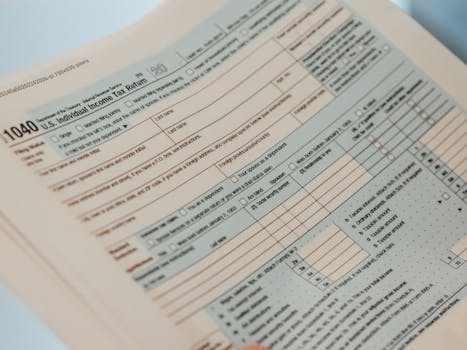 Photo: Kindel Media / Pexels
Once 501(c)(3) status is granted, the primary ongoing federal compliance requirement for most nonprofits is the annual filing of Form 990, Information Return of Organization Exempt From Income Tax. The specific version of Form 990 (e.g., 990-EZ, 990-PF, or the full 990) depends on the organization's gross receipts and total assets. Smaller organizations with gross receipts under $50,000 may even qualify to file Form 990-N (e-Postcard). Failure to file Form 990 for three consecutive years can result in automatic revocation of tax-exempt status, a severe penalty that requires a costly and time-consuming reinstatement process. Beyond the 990 series, other federal obligations include payroll tax compliance (if the nonprofit has employees), which involves withholding income taxes, Social Security, and Medicare taxes, and filing Forms 941 (Employer's Quarterly Federal Tax Return) and W-2 (Wage and Tax Statement). Organizations receiving federal grants must also comply with specific grant reporting and auditing requirements, often governed by the Office of Management and Budget (OMB) circulars. Furthermore, any fundraising activities must avoid private inurement and excessive benefits, and organizations must maintain records to substantiate their tax-exempt activities and financial transactions. Understanding these multifaceted federal requirements is the first crucial step in maintaining a compliant and effective nonprofit organization in the US.
Navigating State-Specific Nonprofit Compliance Requirements
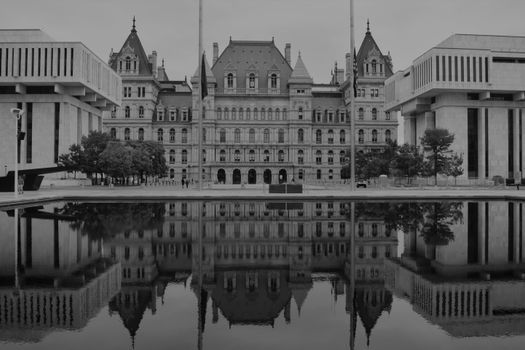 Photo: Karen W / Pexels
Beyond charity registration, nonprofits must also comply with state corporate laws. This includes filing annual reports with the Secretary of State (or equivalent office) to maintain corporate good standing. These reports typically update information such as the organization's registered agent, principal office address, and board members. Failure to file these annual reports can lead to administrative dissolution of the corporation, which can be difficult and expensive to rectify. Additionally, states may have specific regulations regarding sales tax exemptions, property tax exemptions, and professional fundraising counsel registrations. For instance, some states require professional fundraisers or fundraising counsel to register separately and report on their activities.
Labor laws also fall under state jurisdiction, affecting nonprofits with employees. This includes adherence to minimum wage laws, overtime regulations, workers' compensation insurance, unemployment insurance, and various anti-discrimination statutes. Nonprofits operating across state lines must meticulously track and comply with the specific requirements of each state in which they have significant operations, employees, or fundraising activities. This often necessitates using compliance management software or engaging legal counsel specializing in multi-state nonprofit law. The patchwork of state regulations means that a one-size-fits-all approach is insufficient, and a thorough understanding of each relevant state's laws is essential for comprehensive compliance.
Key Operational & Governance Compliance for Nonprofits
 Photo: Christina Morillo / Pexels
Financial transparency and accountability are also paramount. Nonprofits must maintain accurate and comprehensive financial records, adhere to generally accepted accounting principles (GAAP), and conduct regular financial reviews or audits, particularly for organizations with significant revenue or grant funding. Segregation of duties, internal controls over cash handling, and budgeting processes are essential to prevent fraud and ensure financial integrity. Donor stewardship also carries compliance implications; organizations must accurately receipt donations, especially for contributions over $250, and clearly state whether goods or services were provided in exchange for the donation.
Furthermore, compliance extends to specific programmatic activities. For example, organizations working with vulnerable populations (e.g., children, the elderly) must comply with background check requirements for staff and volunteers. Those engaged in international activities face additional scrutiny under anti-terrorism financing laws and Office of Foreign Assets Control (OFAC) sanctions. Data privacy, especially with the rise of online fundraising and donor databases, is another growing area of concern, requiring adherence to various state and federal privacy laws. Regular training for board members and staff on these compliance matters is crucial. An ongoing commitment to ethical conduct and transparency, supported by strong internal policies and procedures, forms the bedrock of sustainable nonprofit operations and helps mitigate risks associated with non-compliance.
Common Compliance Pitfalls & Best Practices for US Nonprofits
 Photo: Tara Winstead / Pexels
Common Pitfalls:
- Failure to File Form 990: As mentioned, three consecutive years of non-filing lead to automatic revocation of 501(c)(3) status. Even a single missed filing can trigger penalties and loss of good standing.
- Inadequate State Registrations: Many nonprofits solicit donations nationally but fail to register in every state where they solicit. This can lead to fines, cease-and-desist orders, and reputational damage.
- Insufficient Financial Controls: Lack of proper accounting, segregation of duties, and oversight can lead to mismanagement of funds, fraud, and inability to produce accurate financial statements for reporting.
- Unclear Conflict of Interest Policies: Without a robust policy and regular disclosures, transactions benefiting board members or key staff can lead to private inurement issues and jeopardize tax-exempt status.
- Improper Lobbying/Political Activity: Engaging in substantial lobbying or any political campaign intervention (supporting or opposing candidates) is strictly prohibited for 501(c)(3) organizations and will result in loss of tax-exempt status.
- Neglecting Board Oversight: An inactive or uninformed board can lead to poor decision-making and a lack of accountability, increasing overall compliance risk.
Best Practices:
- Create a Compliance Calendar: Map out all federal and state filing deadlines, including Form 990, state annual reports, and charity registrations.
- Engage Professional Expertise: Work with experienced nonprofit attorneys and accountants who understand the nuances of tax-exempt organizations.
- Document Everything: Maintain meticulous records of board meetings, financial transactions, donor acknowledgements, and program activities.
- Regular Board Training: Educate board members on their fiduciary duties, governance responsibilities, and specific compliance requirements.
- Implement Strong Internal Controls: Establish clear financial policies, spending limits, and review processes.
- Conduct Annual Reviews: Periodically review bylaws, policies, and operational procedures to ensure they remain current and effective.
- Stay Informed: Regularly monitor IRS guidance, state regulatory updates, and changes in laws affecting nonprofits.
By proactively addressing these areas, nonprofits can build a strong foundation of compliance that supports their mission and protects their assets.
Comparison
| Feature | Federal IRS (501c3) | State Charity Registration | State Corporate Filing | Payroll Compliance |
|---|---|---|---|---|
| Governing Body | IRS | State Attorney General / Secretary of State | State Secretary of State | IRS & State Labor Dept. |
| Primary Document | Form 990 series | Charity Registration Form | Annual Report | Forms 941, W-2, State UI |
| Frequency | Annually | Annually (most states) | Annually | Quarterly/Annually |
| Solicitation Required? | No | Yes, if soliciting in state | No | No |
| Impact of Non-Compliance | Loss of tax-exempt status, penalties | Fines, cease & desist, reputational damage | Administrative dissolution | Fines, penalties, legal action |
What Readers Say
"This guide on nonprofit compliance requirements US provided exactly the clarity we needed. We were overwhelmed by state charity registrations, and now we have a clear action plan. Incredibly helpful!"
Sarah J. · Austin, TX"Our small foundation struggled with understanding the nuances of federal vs. state compliance. This article broke down the nonprofit compliance requirements US into manageable sections, making our annual filing much smoother."
David K. · Chicago, IL"After implementing the best practices outlined here, our board feels much more confident in our governance. We've streamlined our internal controls and significantly reduced our risk exposure regarding nonprofit compliance requirements US."
Maria P. · New York, NY"The information on state-specific compliance was a lifesaver. While it's a lot to digest, the structured approach to nonprofit compliance requirements US really helped us identify gaps in our current multi-state strategy."
Mark T. · Los Angeles, CA"As a new executive director, the sheer volume of nonprofit compliance requirements US was daunting. This resource gave me a solid foundation and a framework to build a robust compliance program from scratch."
Jessica L. · Denver, COFrequently Asked Questions
What are the most critical nonprofit compliance requirements US for a new 501(c)(3)?
For a new 501(c)(3), the most critical requirements are obtaining your federal tax-exempt status from the IRS (via Form 1023), ensuring you understand and prepare for annual Form 990 filings, and registering with your state's charity oversight office if you plan to solicit donations. You must also establish sound governance practices and financial controls from day one.
How often do US nonprofits need to report to the IRS?
Most US nonprofits recognized as 501(c)(3) organizations are required to file an annual information return with the IRS. This is typically Form 990, 990-EZ, or 990-N (e-Postcard), depending on the organization's gross receipts and assets. The filing deadline is generally the 15th day of the 5th month after your fiscal year ends.
How do I know which state charity registrations apply to my nonprofit?
You generally need to register in any state where you solicit donations, regardless of whether you have a physical presence there. This includes online fundraising, direct mail, or grant applications to foundations located in other states. It's crucial to research each state's specific laws, as requirements vary widely. Many states offer online databases or resources to help determine if registration is necessary.
What is the cost associated with nonprofit compliance requirements US?
The costs can vary significantly. They include initial application fees for 501(c)(3) status and state registrations, annual filing fees for Form 990 and state reports, and potential professional fees for accountants, lawyers, or compliance software. Investing in compliance expertise upfront can prevent much larger costs associated with penalties or loss of status later on.
Is federal compliance more important than state compliance for US nonprofits?
Neither is 'more' important; both federal and state compliance are essential and interdependent. Failure to comply with federal requirements can lead to loss of tax-exempt status, while state non-compliance can result in fines, inability to solicit, and administrative dissolution. A holistic approach that addresses both levels simultaneously is crucial for operational integrity.
Who within a nonprofit organization is responsible for ensuring compliance?
Ultimately, the board of directors holds the fiduciary and legal responsibility for ensuring the nonprofit's compliance. Practically, the executive director, finance director, or a dedicated compliance officer typically oversees the day-to-day management of compliance tasks, often with the support of external legal and accounting professionals.
What are the risks of ignoring nonprofit compliance requirements US?
Ignoring compliance can lead to severe consequences, including loss of tax-exempt status, significant financial penalties, legal actions, reputational damage, and even personal liability for board members. It can also jeopardize funding opportunities as many donors and grantors require proof of good standing.
How will future technological advancements impact nonprofit compliance requirements US?
Technological advancements are likely to bring both challenges and opportunities. Increased data privacy regulations (like GDPR-style laws in the US) will demand more robust data security and consent protocols. However, technology may also offer more streamlined compliance management tools, automated reporting, and AI-driven insights to help nonprofits navigate complex regulations more efficiently.
Don't let the complexities of nonprofit compliance requirements US deter your mission. Take proactive steps today to ensure your organization's legal integrity, financial health, and sustained impact. Explore our resources or consult with an expert to secure your nonprofit's future.